

Key Highlights
- Today, scoliosis treatment has added brain retraining. This helps the spine get better alignment.
- This kind of treatment helps the brain and body work together, which is key for good posture.
- Brain retraining is not like older ways of care. The goal is to fix posture in a way that can last a long time.
- New tools, like the ScoliSMART Activity Suit, help manage scoliosis using brain retraining.
- These treatment options can help lessen back pain and can also make your quality of life better.
- The book “Scoliosis Boot Camp” by Clayton J. Stitzel is a main resource if you want to learn about this way to help with scoliosis.

Introduction
If you or someone close to you has scoliosis, you know this is not just about a curved spine. It changes your posture. It can lead to back pain and lower your quality of life. A lot of scoliosis treatment options treat just the shape of the back. But what if feeling better and getting better posture starts in the brain? A new way called brain retraining is making a big change in how people handle scoliosis, especially in severe cases. It gives hope for better results that can last for a long time.
Understanding Scoliosis: The Evolving Approach
The way we think about scoliosis treatment is changing now. In the past, people had only a few treatment options. They could just watch and wait, wear a brace, or maybe need surgery. Now, we know the brain helps a lot with posture and spinal curvature. Because of this, there are new treatment options for scoliosis that do not need surgery, especially for those affected by muscular dystrophy. These focus on helping the brain and body work better together.
This new way helps slow down curve progression by focusing on the main reason for bad posture. For many people, this problem starts in the nervous system. A physical therapist can make a treatment plan that includes steps to train the brain. This can help you get better results in the long run. Up next, we will talk about what scoliosis is. We will also look at how today’s exercises are not the same as old ways, and why brain retraining is very important now.
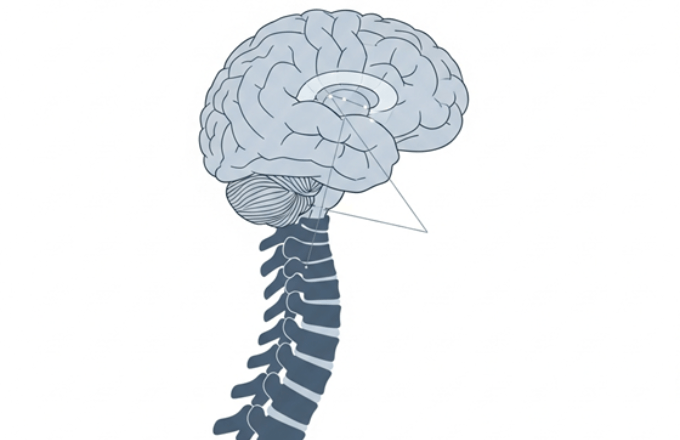
What Is Scoliosis and How Does It Affect the Body?
Scoliosis is when there is an unusual sideways curvature of the spine. A normal spine has some small curves, but with scoliosis, the spine bends more and can look like a “C” or “S” shape. This condition affects about 2 to 3% of people, and certain diseases like cerebral palsy can contribute to its development. It often shows up in kids when they are having a growth spurt just before they reach puberty.
The effects of this spinal curve do not stop at your back. You may spot uneven shoulders. Your waist might look like an asymmetrical waist. One hip can feel or look higher than the other. Sometimes, you can feel back pain because of it. Your overall spinal health may get worse as well. All of this can impact your quality of life.
How much the spinal curve bends, which is measured by the Cobb angle, shows how it can affect the body. Some people have a mild curve, while others may have a bigger problem. Because of this, it is important to get the right treatment. This can help manage symptoms and keep the curve from getting worse.
Differences Between Traditional and Modern Scoliosis Exercises
Traditional scoliosis exercises usually work to make the muscles around the spine stronger. Physical therapy methods like the Schroth Method use specific exercises tailored to your specific condition to help make the spine longer and to turn the spine back to where it should be. These ways of doing physical therapy can be good for you. But sometimes, they do not look at the neurological part of scoliosis.
Modern exercises now use brain retraining. These exercises understand that scoliosis is not just a problem with muscles or bones. It happens because the brain does not send the right messages to the body about posture. So, the goal is to help the brain learn to fix posture on its own, particularly in mild cases of scoliosis.
Here’s how they differ:
- Traditional: Looks at the way the muscles are lined up and tries to fix posture by hand.
- Modern: Works on how the brain controls your body so you can build new muscle memory.
- Traditional: You often have to think about keeping your back straight once it is fixed.
- Modern: Tries to make good posture happen on its own through quick body actions that become a habit. This newer way can go with the traditional way for a better treatment plan. It helps you stay away from bigger procedures like spinal fusion.
Why Brain Retraining Is Gaining Attention in Scoliosis Care
Brain retraining is now getting more attention. The reason is that it works to fix the main problem people have with scoliosis. What happens is, the brain and muscles that help you stand or sit begin to stop working together. A lot of the old treatment options just try to help with the pain or other problems it causes. But brain retraining tries to fix what is really causing the trouble.
These new ways help your brain learn how to hold your body straight. The goal is not to push your back into place for a short time. It is to make a change that will last. When you do this, it helps control curve progression and can give you a better quality of life.
Brain retraining can help your body fix itself over time. It works to lower back pain that comes from tight or weak muscles. This practice also helps you stand and sit with better posture, and it does this in a natural way. Many people have seen good results, so now more people are choosing brain retraining when they look for an easy and non-invasive way to help with scoliosis and back pain.
How the Brain Influences Posture and Spinal Health
Your brain is the main control for your whole body. It helps you stand and sit up straight. The brain sends messages through nerves to your back muscles. These signals tell your back muscles how to support your spine.
You need clear and correct signals for good posture and proper spinal alignment. If the signals are not right, your posture and spinal alignment can get out of line. This can lead to bad posture.
Brain retraining works by targeting the paths in the brain that send wrong signals. It helps teach your brain to keep your body in a better and more steady position. We will look at the links between the brain and your posture. We will also learn about the science of this training and how it helps your body make quick changes for better spinal health.
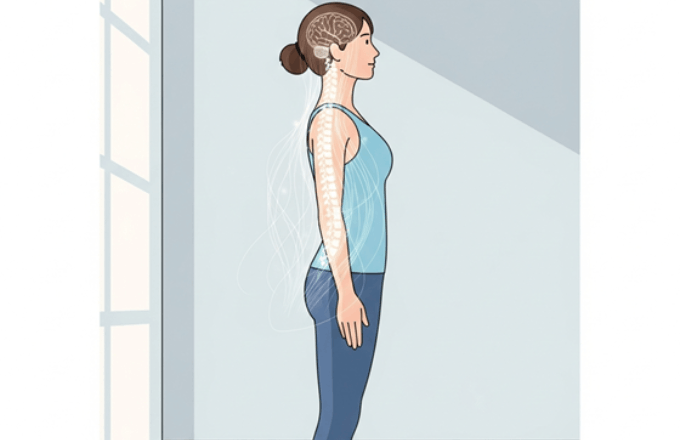
Neural Pathways Linked to Scoliosis and Posture
Your posture is guided by many nerve paths that link your brain and muscles. When someone has scoliosis, including degenerative scoliosis, these paths do not work well. The brain may think the spinal curve is straight when it is not. This wrong signal makes muscle tone uneven and adds to the spinal curve.
The brain has several important parts that help control your posture. These include the motor cortex, cerebellum, and brainstem. They all work together. They take in information from your senses. Then, they send signals to your core muscles. This helps to keep you standing and keep your balance. If these signals don’t work well, your spinal health can suffer.
Brain retraining helps these pathways talk to each other in the right way again. The main things are to:
- Find the neural pathways that are not working the right way.
- Help the brain notice when posture is not correct.
- Build new and better pathways so your body lines up well.
- Make these new pathways stronger by doing them often. By making these changes, your brain can learn how to keep your spine straight on its own.
The Science Behind Brain Retraining Exercises
The science behind brain retraining starts with neuroplasticity. This means the brain can change and make new connections. If you have scoliosis, your brain thinks your curved spine is normal. Brain retraining exercises help the brain see what the right alignment is and work to change that idea.
These exercises give your brain new ways to feel where your body is. This feedback helps your brain notice any posture mistakes. When you do these special moves again and again, you start to build new muscle memory. Your brain learns which muscles to use, so you get and keep a better posture.
A physical therapist will help you do these exercises. They will make sure the exercises fit your own curve pattern. The aim is for your body to feel comfortable and normal with a straighter way of standing or moving, so you do not fall back into old, bent habits. Research is still happening in this area, but the ideas behind neuroplasticity support this way of working on better posture.
The Role of Reflexive Response in Scoliosis Correction
A main aim of brain retraining is to help good posture be a reflex. This is when your body keeps the right balance on its own. You do not need to think about standing up straight all the time. Trying to do this can tire you out and does not help much. Real change happens when your good posture becomes easy and natural.
Brain retraining exercises work to trigger important reflexes in your body. When you do these special moves, you start to change how your brain runs things like balance and standing up straight. This lets you build core strength and feel more stable, but it does this from deep in the brain, not just through your muscles.
Your body learns to use the right muscles at the right time. This helps you have a healthier spine. When your posture gets better, your brain gets clear signals. This makes it easier to stand and sit the right way. With practice, your body keeps fixing itself. This is what leads to healthy changes that last.
Introduction to the ScoliSMART Approach
The ScoliSMART approach is a new, gentle way to help with scoliosis. It does not use surgery or other harsh methods. People made this way as they see scoliosis as more than a spine problem. The condition is often about nerves and body chemicals, too. The scolismart approach works to teach your brain and spine to talk to each other better. This can help the body stand straighter for a long time.
A scolismart doctor builds a treatment plan that fits your specific needs. This plan uses new ways and tools to work on the root causes of scoliosis. In the next sections, you will read about the basics of this approach, how it helps retrain the brain, and who can get help from it.
Fundamentals of the ScoliSMART Method
The ScoliSMART method is not the only plan that works for scoliosis. It looks at scoliosis as a problem that affects the whole body. This program brings together many things instead of using just one plan. A big part of ScoliSMART is using specific exercises. These help train the brain’s postural control system. The program also uses nutrient therapies to help you feel better.
When you go to a ScoliSMART doctor of your choice, they will look at your needs. They will make a plan just for you. This plan is not only about core strengthening. It also works on the nerve signals that can make the spinal curve worse. The ScoliSMART doctor wants you to build new habits to help your posture without you having to think about it.
This way works to stop newer curves and curve progression before it gets worse. It can help stop the curve from getting bigger. In many cases, it can also make the current curve smaller.
| Program Component | Description |
| Neurological Retraining | Specific exercises to rewire the brain-spine connection. |
| Nutritional Support | Targeted supplements to support neurotransmitter function. |
| At-Home Program | Daily activities and exercises to reinforce clinic-based treatments. |
| ScoliSMART Activity Suit | A wearable device to provide constant sensory feedback to the brain. |
Incorporating Brain Retraining into ScoliSMART Programs
Brain retraining is at the heart of ScoliSMART programs. A ScoliSMART doctor does not look at just the spine. Instead, the focus is on the part of the brain that controls how you stand and move. This is done using special scoliosis exercises. These are not the same as the body movements you use in regular physical therapy.
These exercises fit into your daily activities easily. When you do these moves, they make your brain see “straight” in a new way. This makes your brain build new paths for better posture. After some time, your body gets new muscle memory, so you sit or stand straighter without even thinking about it. It will feel more natural and easy for you.
The ScoliSMART approach shows that brain retraining on its own can work well for treatment. It can also work with the usual methods. The ScoliSMART approach adds an important part for the brain that is often missing. This can help give more complete and longer-lasting results.

Who Can Benefit Most from the ScoliSMART Approach?
The ScoliSMART approach can help many people who have scoliosis. This way of treatment works with the brain and helps it change. So, the scolismart approach is good for both kids and adults. It can be made to fit each person no matter how strong their curve severity is.
People who have adolescent idiopathic scoliosis, which is the most common type, often get great results if treatment starts early. By working on the drivers of progression in the growth years, this way can help support your child’s spine and avoid needing a brace or surgery for idiopathic scoliosis.
But, the program is not only for adolescents. A lot of adults who have scoliosis feel less pain and also see their posture get better. ScoliSMART can help:
- Children and teens who have small curves and want to keep from needing a brace.
- People who already wear a brace but want to try a more active way to help.
- Patients who have larger curves and do not want surgery.
- Adults who feel pain or see their scoliosis getting worse.
Spotlight on Scoliosis Boot Camp by Clayton J. Stitzel
One of the best treatment options out there is the Scoliosis Boot Camp. This program comes from the book “Scoliosis Boot Camp: A Modern Approach To Treating Scoliosis” by Dr. Clayton J. Stitzel. It gives you a focused, brain-based way to help you. The therapy is made to bring fast changes to your posture. If you want new treatment options, you can schedule a no cost phone consultation to learn more. The boot camp is a good choice.
This boot camp is not like other exercise programs. It follows certain steps to help the brain and spine talk to each other the right way. In the next parts, you will read about what is included in the program, how it uses exercises that involve the brain, and the results that people have seen in real life.

Discover hope, science, and real solutions—explore The Scoliosis Doctor series on Amazon and start transforming your scoliosis journey today! Download the Kindle app on your mobile device for free! Get it for iPhone. Get it for Android.
Key Components of the Scoliosis Boot Camp Program
The Scoliosis Boot Camp is a quick and focused program. It helps you start your path to having a straighter back. The program does more than just physical therapy. It also helps train your body and mind to work together better. People from the United States and from other parts of the world come here for the boot camp.
The boot camp brings together treatments in the clinic with a clear exercise plan for you to do at home. This helps you get better results that last longer. The main goal of the boot camp is to help your body build new neural paths, so your core stability and spinal alignment will improve on their own.
Key elements of the boot camp include:
- Neurological Assessment: This looks for areas in your body and brain that may be weak and could make your scoliosis worse.
- Brain-Based Protocols: These are special activities. They help your brain work better with your body to help you stand straighter.
- Customized Scoliosis Exercises: You do scoliosis exercises that focus on your needs. These movements are made to help your brain and body work together so you stand straighter for a longer time.
- ScoliSMART Activity Suit: You wear the ScoliSMART activity suit during exercises. This activity suit helps you feel how you are moving and can help your brain learn faster.
How the Book Addresses Brain-Based Scoliosis Exercises
Dr. Clayton J. Stitzel wrote a book called “Scoliosis Boot Camp.” This guide explains a new way to treat scoliosis. It talks about why some old treatments may not help much. The book also shares how brain-based exercises may be better for people with scoliosis. Dr. Stitzel uses simple words to help you get the science behind these ideas. If you want to know more about boot camp or scoliosis boot camp, this book is a good place to start.
This text shows how these exercises help the brain learn a better way to control posture. The goal is not just to make your core muscles stronger. These moves give the brain special signals about the spinal curve. This tells the brain where the back is not straight. With practice, the brain can make a new plan for better spinal alignment.
The book shows how this process can help lower back pain and make your posture better from the inside out. It is a good guide for people who want to learn how to play a big part in their scoliosis treatment by using the power of their own mind.
Real-Life Outcomes and Success Stories from Scoliosis Boot Camp
Many people have shared how the Scoliosis Boot Camp has helped them. Kids and adults who joined this boot camp saw big changes in their curve progression. There are even reports of people with scoliosis seeing their spine curves get smaller and not get any worse after they took part in early treatment at the camp.
Many patients say they feel a lot less pain after the boot camp. Their quality of life also gets much better. They leave the boot camp with the right tools and know-how to keep getting better at home. This helps them feel sure of themselves and more in control of their health.
These real results show how a brain-based approach can help. The boot camp works by finding and fixing what is really happening in the brain that causes scoliosis. With this, people can see changes that many thought would only happen with invasive procedures like scoliosis surgery.
Exploring the ScoliSMART Activity Suit
A key part of the ScoliSMART approach is the ScoliSMART Activity Suit. This is not a hard scoliosis brace that keeps you from moving. Instead, the activity suit is a soft piece of clothing that gives gentle resistance. It helps retrain your brain and your core muscles when you move and do your usual things during the day.
The suit is made to give your brain steady signals. This helps your brain notice your spinal curvature and reminds it to fix your posture without you thinking about it. Let’s see how this helpful suit works with your brain to teach better posture and ways you can use it in your daily life.

How the ScoliSMART Activity Suit Works to Retrain the Brain
The ScoliSMART Activity Suit is an important tool for helping the brain learn new ways to move. A normal brace holds the spine still. But the activity suit helps the body fix itself while moving. The suit does this by giving the brain new signals about how you stand, using its special straps and weights. This is what makes the scolismart activity suit different and useful.
The feel that your body takes in moves up your spine to your brain. This makes your brain more aware of where your body is in space. When you feel this more, your nerves can find the mistakes in how you stand or move if you have scoliosis. It is like your brain wakes up. Then it starts to make a new and straighter plan for the way you hold your body.
When you use the activity suit, your core muscles work in a fresh way. Your nervous system then starts to fix the curve by itself. Each time you move with the activity suit on, your brain and your body help each other. This can help to make your spinal health better from inside your body.
Integrating the Activity Suit Into Daily Exercises
Using the ScoliSMART Activity Suit in your daily workout is easy. The activity suit helps you get more out of each exercise. It adds a new way for your mind and body to work together with every move you make. The ScoliSMART Activity Suit changes normal exercise into a focused therapy time just for you.
You can wear the suit while you do scoliosis exercises, at physical therapy, or when you do things like walking or chores. The suit gives constant feedback. This helps to speed up the way your brain learns new things. It also makes your core strengthening work better.
Here are a few ways to use the suit:
- Wear it when you do your ScoliSMART-prescribed daily exercises.
- Use it for 20-30 minutes while you do easy things, like walking on a treadmill.
- Add it to your balance and coordination practice.
- Use it the way your ScoliSMART doctor tells you. This will help you train your brain to keep the right posture all the time.
The ScoliSMART Activity Suit is a big step ahead in non-surgical scoliosis treatment. This activity suit works by making the brain help control how the body stands and moves. Because of this, it is more active and helpful than just wearing a brace. The suit is an important part of any treatment plan. It helps to stop curve progression and gives people a better way to manage scoliosis.
If you want a way to manage scoliosis before any problems show up, the suit can help. It lets you use your daily moves as a kind of helpful exercise. The suit helps you feel in control of your health. It works by getting your brain used to keeping a better posture all the time.
To find out how you can use this new activity suit in your treatment plan, and see how it can help you get a healthier spine, visit our website. Learn more about the ScoliSMART Activity Suit today, and see how it is making a real difference for people.

Click on the Scoli-Fact to see the rest of the Scoliosis Facts!
Essential Brain Retraining Scoliosis Exercises
So, what do these brain retraining scoliosis exercises look like? These are not the same as normal physical therapy or gym workouts. These moves are made to challenge the way your brain sees balance and your body’s posture. They make your brain adapt and help you build new, straighter patterns for your body.
These exercises are a big part of new treatment options for back pain. They work on core strength right from the way the brain talks to your muscles. Here, you will read about the best exercises to help spinal alignment, stretches that help the brain do its job, and moves that make back pain feel better.
Top Exercises for Improving Spinal Alignment and Posture
Exercises that help with spinal alignment by retraining the brain are not based on force. They use careful moves that send clear signals to your brain. This is not like many other physical therapy exercises, such as the Schroth Method. The goal here is for your body to make corrections by itself.
These exercises often ask you to work on balance challenges. They can include moves where you use both arms or make your body move in different ways. Some of these will need you to use both sides of your brain at the same time. For example, if you stand on one leg and move your arm in a certain way, your brain has to react right away. It changes what your body does to help you stand up straight.
Some effective exercises include:
- Balance Board Exercises: When you stand on a surface that moves, your brain has to work all the time to help you stay steady.
- Gait Retraining: You practice walking in set ways, like stepping from heel to toe, so you can feel more steady and stand taller.
- Eye Movement Drills: You move your eyes with your head and body, which wakes up your balance system.
- Vibrating Platform Training: A machine that shakes your whole body helps you feel more of your body and gets your muscles working. These activities are great for core strengthening and help your body hold good spinal alignment through your brain and nerves.
Stretches That Combine Brain Retraining Principles
Even stretching can be changed to use brain retraining ideas. The aim is not just to get more flexible, but to help your brain understand a new range of motion. You do not just hold and wait. In these stretches, you move and focus. You need to be precise and really pay attention.
The goal is to stretch the tight muscles on the inside of the curve. At the same time, you work on the weaker muscles on the outside of the curve to make them stronger. This helps your brain know that it needs to even out the core muscles that are around the spine.
You can change these stretches for brain retraining.
- Corrective Pelvic Tilts: Do pelvic tilts while you feel your spine stretch and grow longer.
- Rotational Angular Breathing: This is a breathing way from the Schroth Method. You can do it with moves that help turn your spine back to its right place.
- Side-Lying Stretches with Active Elongation: Lay on your side and reach so you feel your spine get long. You should not just rest in the stretch but reach out with your body.
- Cat-Cow with Pauses: When you do cat-cow moves, stop for a short while at the highest and lowest point. This helps your brain feel the new spot your back is in.

Reducing Back Pain Through Brain Retraining Movements
One of the first things you may feel from brain retraining is pain relief. A lot of back pain in scoliosis happens when some muscles work too hard and feel tight, while others are weak and do not get used enough. Brain retraining movements help fix this problem with the muscles.
When your brain learns to use the right muscles, the ones that get used too much get a break. This helps balance how your muscles work, so you feel less pain. These movements help your body move the way it should. You will feel less stress on your spine and be able to move better.
By adding these movements to your daily life and following your treatment plan, you can feel pain relief that lasts. Your body starts to correct itself naturally. This means you feel less pain not just while you exercise, but all through your day.
Frequently Asked Questions (FAQ)
Many people want to know about the different scoliosis treatment options that are out there now. A lot of people ask if scoliosis exercises really help with spinal alignment and back pain. Some people talk about the Scoliosis Boot Camp. This is a plan that gives you specific exercises for your needs to help with scoliosis. People also ask about the ScoliSMART Activity Suit. It is made to give support while you work on getting better. To read more, visit Scoliosis Boot Camp and the ScoliSMART Activity Suit.
Can adults with scoliosis benefit from brain retraining exercises?
Yes, adults with scoliosis can benefit a lot from care. The brain is able to learn and change over time in a supportive environment. This skill, called neuroplasticity, is not just for kids. A ScoliSMART doctor can make treatment options that help you build better core stability. These treatments also work to cut pain and boost your quality of life. It does not matter how old you are or when you got your adult scoliosis.
Is there scientific evidence supporting brain retraining for scoliosis management?
Yes, brain retraining works because it uses proven ideas about how the brain can change and learn movement. Big studies for scoliosis are still happening, but the science shows the brain can learn new ways to move. This is what makes these new scoliosis exercises important for better spinal health.
Can brain retraining be used alongside traditional scoliosis exercises?
Yes, that’s true. Brain retraining can help make scoliosis exercises, like the Schroth exercises Method, work even better. Adding a focus on how your brain works with your body gives more to these exercise programs. By doing this, you can build your core muscles and work with your brain at the same time. This often leads to better posture and results that last longer.
Conclusion
To sum up, learning and using brain retraining exercises can help a lot with managing scoliosis. When you try new methods like the ones in “Scoliosis Boot Camp: A Modern Approach To Treating Scoliosis” by Clayton J. Stitzel, you can use brain-based tools to help your spinal health and your posture. The ScoliSMART Activity Suit is a useful and new way to add these exercises to your daily life. It gives people an easy way to get support and feel some relief. If you want to know more about the ScoliSMART Activity Suit or read about the Scoliosis Boot Camp, make time to read these pages. Put your care for scoliosis first and begin your path to a healthier spine today!


