

Key Highlights
Here are the key takeaways about managing your spinal health:
- Lifestyle adjustments like maintaining good posture and a balanced diet play a crucial role in your scoliosis treatment.
- Specific exercises and gentle stretching can improve spinal flexibility and reduce back pain.
- Proper nutrition, rich in a recommended diet of calcium and vitamin D, supports strong bone health.
- Innovative, non-invasive treatments like the ScoliSMART Activity Suit offer alternatives to traditional methods.
- Implementing daily self-care strategies can enhance your quality of life and overall well-being.

Living with scoliosis presents unique challenges, but you can take control of your spinal health. Making thoughtful lifestyle adjustments is a powerful way to manage your spinal curve and improve your overall health. This guide will walk you through practical changes in nutrition, exercise, and daily habits. By focusing on these areas, you can reduce discomfort, support your scoliosis management plan, and enhance your quality of life, empowering you to live more comfortably.
Understanding Scoliosis and Its Impact on Everyday Life
Scoliosis is a condition that causes an abnormal curvature of the spine, which can look like an “S” or “C” shape. This spinal curvature can affect people of all ages, leading to uneven shoulders, posture problems, and discomfort. Understanding the condition is the first step toward managing its impact on your life.
The effects of scoliosis symptoms can range from mild to severe, influencing your daily activities. Many people experience chronic pain or muscle imbalances that can make simple tasks more challenging. Recognizing how scoliosis impacts your routine helps you find effective ways to adapt and maintain your independence.
Figuring out the root causes of scoliosis can be complex, as they differ from person to person. The most common form, idiopathic scoliosis, has no single known cause but often appears during the teenage years. Researchers believe genetic factors play a significant role in its development.
Recent studies are exploring the intricate connection between genetics and the environment. One study notes that “Idiopathic scoliosis (IS) affects approximately 2–3% of adolescents worldwide,” highlighting the importance of understanding its genetic and epigenetic triggers. This research aims to uncover why some individuals are more susceptible to developing a spinal curve.

In adults, scoliosis can develop due to degenerative changes in the spine, such as arthritis or spinal stenosis. Previous injuries can also contribute to the development of an abnormal spinal curve later in life. Understanding the specific cause of your scoliosis is vital for creating an effective treatment plan.
Noticing the early signs of scoliosis is crucial for timely management and can help control pain levels. The symptoms often appear gradually and may be subtle at first. Paying attention to changes in your body can make a significant difference in how the condition is addressed. An abnormal curvature of the spine is the primary indicator.
Some of the most common physical changes associated with scoliosis symptoms are visible when standing. You or a loved one might observe:
- Uneven shoulders, with one appearing higher than the other.
- A shoulder blade that sticks out more prominently.
- An uneven waistline or one hip that is higher than the other.
Beyond these visible signs, some individuals experience back pain, muscle fatigue, or a feeling of leaning to one side. In more severe cases, chronic pain can become a daily issue. If you notice any of these signs in yourself or your child, consulting a healthcare provider for a screening is an important next step.
How Scoliosis Progression Affects Routine Activities
As scoliosis progresses, the increasing curve progression can have a noticeable impact on your daily routine. Activities that were once easy may become more challenging due to pain, stiffness, or changes in your body’s alignment. Simple actions like bending, lifting, or even sitting for long periods might cause discomfort.
This progression can also affect your spinal flexibility. A more significant curve can limit your range of motion, making it harder to participate in sports or hobbies you enjoy. Your overall health can be influenced as well, as chronic discomfort may lead to fatigue and a less active lifestyle.
Managing curve progression is key to maintaining your quality of life. With the right strategies, you can adapt your daily routine to accommodate these changes. Proactive steps, including regular monitoring and following your treatment plan, can help you stay active and engaged in the activities that matter most to you.
The Role of Nutrition in Scoliosis Health
What you eat plays a surprisingly important role in your spine health. A well-balanced and recommended diet provides the building blocks your body needs to maintain strong bones and support your spine. For those with scoliosis, good nutrition can be a powerful tool in managing the condition.
Focusing on bone health is especially important. Nutrients like calcium and vitamin D are essential for keeping your bones dense and resilient. By making conscious food choices, you can help strengthen your spine from the inside out, complementing other treatments and improving your overall well-being. Next, we will cover specific nutrients and foods to consider.
A balanced diet is a cornerstone of any effective scoliosis treatment plan. Eating the right foods helps build strong bones and muscles, which are essential for supporting your spine and maintaining good posture. Key nutrients can make a real difference in your bone density and overall spinal health.
To support your spine, focus on incorporating a variety of nutrient-rich foods into your daily meals. Your diet should include:
- Calcium: Found in dairy products, leafy greens, and fortified foods.
- Vitamin D: Helps your body absorb calcium; available from sunlight, fatty fish, and fortified milk.
- Magnesium: Important for bone structure; found in nuts, seeds, and whole grains.
- Protein: Essential for muscle strength; sourced from lean meats, beans, and eggs.
By focusing on these essential nutrients, you give your body the tools it needs to maintain a healthier spine. A good diet works alongside your other treatments to help you manage your condition effectively and improve your quality of life.

How Good Nutrition Supports Spinal Alignment
A healthy diet does more than just build strong bones; it also plays a crucial role in supporting your spinal alignment. When your muscles and connective tissues are properly nourished, they are better able to support your spine. This can help reduce the strain caused by an abnormal spinal curve.
Certain vitamins are particularly important. For instance, adequate vitamin D levels are essential for calcium absorption, which is vital for bone integrity. Without enough vitamin D, your bones can become weak, potentially making scoliosis-related issues worse. A healthy internal environment, supported by good nutrition, helps your body manage the physical stresses of scoliosis.
In some cases, your doctor may suggest nutritional supplements to fill any gaps in your diet. Working with healthcare professionals to ensure you are getting the right nutrients can be a simple yet effective way to support your spinal health and improve your treatment outcomes.
Making smart food choices is a key part of your daily habits for scoliosis management. Focusing on foods that reduce inflammation and support bone health can positively impact your overall health. Including healthy fats, lean proteins, and plenty of vegetables is a great start.
On the other hand, certain foods can contribute to inflammation, which may worsen pain and discomfort. It is wise to limit processed foods, sugary drinks, and unhealthy fats. These foods to avoid can interfere with your body’s ability to heal and maintain a healthy internal environment.
Here is a simple guide to help you make better nutritional choices for your scoliosis management journey.
Exercises for Managing Scoliosis Symptoms
Regular physical activity is one of the most beneficial things you can do to manage scoliosis pain and improve your quality of life. The right kind of movement can strengthen the muscles that support your spine, increase spinal flexibility, and reduce discomfort. It is all about choosing specific exercises that are both safe and effective for your body.
With guidance from a physical therapy professional, you can create a routine tailored to your unique spinal curve. The goal is to build core strength and improve posture without putting unnecessary strain on your back. The following sections will explore safe stretching routines and strength training techniques to help you get started.
Gentle stretching can provide significant relief from the discomfort associated with scoliosis. Stretching helps release tension in tight muscles, improves spinal flexibility, and can reduce back pain. By incorporating a few simple stretches into your daily routine, you can enhance your comfort and mobility.
When you stretch, focus on slow, controlled movements, and never push your body into a position that causes sharp pain. The goal is to gently lengthen the muscles surrounding your spine. Some effective and safe stretches include:
- Cat-Camel Stretch: This move promotes spinal flexibility by gently arching and rounding your back.
- Child’s Pose: This resting pose helps release tension in your back, shoulders, and neck.
- Standing Forward Bend: This stretch targets the hamstrings and lower back, helping to improve alignment.
Consistency is key to seeing benefits. Aim to perform these gentle stretching exercises several times a week. Always listen to your body and consult with a physical therapist to ensure you are performing the movements correctly and safely.
Building a strong core is essential for anyone with scoliosis. Your core muscles, which include your abdominal and back muscles, act as a natural brace for your spine. When these muscles are strong, they help stabilize your spine, improve posture, and reduce strain on your back.
A physical therapist can design a strength training program that targets the right muscles without aggravating your condition. Exercises like the side plank are excellent for engaging the core and improving stability. The focus is not on heavy lifting but on controlled movements that build endurance and support for your spine.
Working on your core strength is a proactive way to manage your scoliosis. A stronger core can lead to less pain and better overall function, allowing you to move with more confidence and ease. It is a fundamental part of a holistic approach to spinal health.

Best Practices for Physical Activity When Living with Scoliosis
Staying active is vital for your spinal health, but it is important to choose physical activity that is safe and beneficial. The goal is to strengthen your body and maintain flexibility without putting high impact or uneven stress on your spine. A consistent daily routine of gentle movement can make a big difference.
When choosing activities, it is best to opt for low-impact exercises. These types of regular exercise are easier on your joints and spine. Some excellent choices include:
- Swimming: This activity strengthens your entire body with minimal stress on the spine.
- Walking: A simple and effective way to maintain fitness and improve cardiovascular health.
- Yoga and Pilates: These practices focus on core strength, flexibility, and body awareness.
Always listen to your body. If an activity causes pain, it is best to stop and consult with your healthcare provider or physical therapist. By choosing the right activities and practicing them consistently, you can support your spinal health and enjoy an active lifestyle.
Innovative Therapies and Non-Invasive Treatments
For many people with scoliosis, non-invasive treatments offer an effective way to manage the condition without surgery. These modern approaches focus on retraining the body and improving spinal alignment through targeted therapies. Options like specialized physical therapy and wearable devices are changing the landscape of scoliosis treatment.
These innovative therapies aim to address the root cause of the curve, not just the symptoms. By focusing on the brain-to-spine connection, treatments can help reduce pain, slow curve progression, and improve your overall quality of life. Below, we’ll explore unique approaches like the ScoliSMART method and its supportive tools.
The ScoliSMART Approach: What Makes It Unique
The ScoliSMART approach is an innovative therapy that goes beyond traditional scoliosis treatment methods like bracing or waiting for surgery. It focuses on retraining the involuntary connection between your brain and spine. This method is based on the idea that scoliosis is not just a spinal problem but a neuro-muscular condition.
What makes this approach unique is its focus on addressing the underlying cause of the curve progression. Instead of just pushing the spine into place, the ScoliSMART treatment plan uses specific exercises and therapies to help your brain correct the spinal curve naturally. This can lead to more lasting improvements in your posture and alignment.
Dr. Clayton J. Stitzel, a leading expert in this field, details these non-invasive solutions in his book series, including Scoliosis Through The Stages: Care Strategies for Every Life Phase (Clayton J. Stitzel, The Scoliosis Doctor). This innovative therapy provides hope and effective strategies for patients seeking alternatives to surgery.
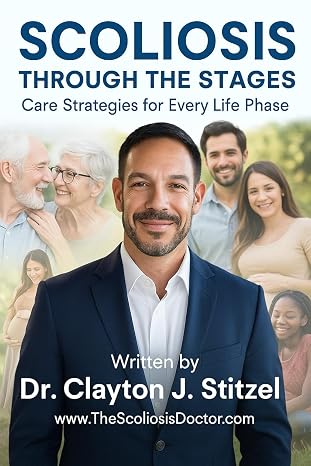
Discover hope, science, and real solutions—explore The Scoliosis Doctor series on Amazon and start transforming your scoliosis journey today! Download the Kindle app on your mobile device for free! Get it for iPhone. Get it for Android.
Scoliosis Activity Suit: How It Works and Who Benefits
The ScoliSMART Activity Suit is a key component of this innovative approach to scoliosis treatment. This wearable device is not a passive brace but an active tool designed to help retrain your muscles and improve spinal alignment. It works by creating a new muscle memory that encourages your spine to hold a straighter posture.
The suit applies gentle resistance as you move, which activates specific muscle groups around your spine. This process helps to re-educate your brain and muscles, creating a more balanced and stable posture over time. Scoliosis patients of all ages can benefit from this technology, especially those looking for a non-surgical option.
Who can benefit most from the ScoliSMART Activity Suit?
- Children and teens with growing spines who want to manage curve progression.
- Adults experiencing pain and postural issues from scoliosis.
- Patients who want to enhance the results of their physical therapy program.
- Individuals seeking to improve their spinal alignment and overall function.
Exploring Scoliosis Boot Camp Programs: Structure and Outcomes
A Scoliosis Boot Camp is an intensive, short-term treatment plan designed to kickstart your journey toward better spinal health. These programs combine various therapies into a concentrated period, offering a powerful alternative to slow, traditional physical therapy. The goal is to achieve significant improvements in a matter of days or weeks.
The structure of a Scoliosis Boot Camp is highly personalized for kids, teens, and adults. Each patient receives a unique treatment plan that may include exercises, nutritional guidance, and sessions with the ScoliSMART Activity Suit. This comprehensive approach addresses the condition from multiple angles.
The outcomes of these programs can be remarkable. Participants often experience:
- A measurable reduction in their spinal curve.
- Improved posture and balance.
- Decreased pain and discomfort.
- The knowledge and tools to continue their progress at home.

Supplement Strategies for Scoliosis Patients
In addition to a healthy diet, nutritional supplements can play a supportive role in managing scoliosis. These supplements can help fill nutritional gaps and provide targeted support for your spine health. They are particularly useful for enhancing bone strength and reducing inflammation, which can contribute to scoliosis pain.
Working with a healthcare professional to identify the right supplements for your needs is important. Not all supplements are created equal, and a personalized plan ensures you are taking what is most beneficial for your body. The following sections will cover the most recommended supplements and what research says about their effectiveness.
Most Recommended Supplements for Scoliosis Support
Certain supplements are frequently recommended to support bone health and the overall well-being of individuals with scoliosis. These supplements can help ensure your body has the necessary building blocks to maintain a strong and resilient spine, which is crucial when managing a spinal curve.
The most commonly suggested supplements focus on bone density and muscle function. These often include:
- Vitamin D: Essential for calcium absorption and bone mineralization.
- Calcium: The primary mineral for building and maintaining strong bones.
- Magnesium: Works with calcium to support bone structure and muscle health.
- Vitamin K2: Helps direct calcium to the bones and away from soft tissues.
Incorporating these supplements into your routine, under the guidance of a healthcare provider, can be an effective part of your overall treatment plan. They complement a healthy diet and lifestyle, providing extra support where your body needs it most.

Discover hope, science, and real solutions—explore The Scoliosis Doctor series on Amazon and start transforming your scoliosis journey today! Download the Kindle app on your mobile device for free! Get it for iPhone. Get it for Android.
Anti-Inflammatory Supplements and Their Effects
For many people with scoliosis, chronic pain and inflammation are significant challenges. Anti-inflammatory supplements can offer a natural way to find pain relief and improve comfort. These supplements work by helping to calm the body’s inflammatory response, which can reduce stiffness and soreness in the muscles and joints around the spine.
Supplements like omega-3 fatty acids, found in fish oil, are well-known for their anti-inflammatory properties. Turmeric, with its active compound curcumin, is another powerful option that has been used for centuries to reduce inflammation and pain. These natural remedies can be a valuable addition to your pain management strategy.
By reducing inflammation, these supplements can help improve your overall spinal health and make daily activities more comfortable. When used as part of a comprehensive treatment plan, they can provide much-needed relief and support your body’s healing process.
What Research Says About Vitamins and Minerals for Spine Health
Scientific research continues to highlight the vital role that specific vitamins and minerals play in spine health. Studies have shown a strong link between nutrient deficiencies and problems with bone density, which can be a concern for individuals with scoliosis. Ensuring you have adequate levels of key nutrients is a research-backed way to support your spine.
Emerging research also explores more complex factors, suggesting that imbalances in neurotransmitter signaling pathways may contribute to scoliosis progression. While this is an advanced area of study, it underscores the importance of a well-nourished system for overall spinal stability.
Key research findings consistently point to the importance of:
- Vitamin D: for its crucial role in bone mineralization.
- Calcium: as the fundamental building block for strong bones.
- Magnesium and Zinc: as co-factors that support bone density.
- B Vitamins: for their role in nerve health and function.

Essential Self-Care Tips for Comfortable Daily Living
Living comfortably with scoliosis involves more than just medical treatments; it requires daily self-care. Making small lifestyle adjustments can have a big impact on your pain levels and overall quality of life. These practices empower you to take an active role in managing your condition and feeling your best.
From simple pain relief techniques you can use at home to mindful changes in how you move, self-care is about supporting your body in every way possible. The following tips will help you navigate your daily activities with greater comfort and confidence.
Pain Relief Methods That Work at Home
You do not always need to visit a clinic for pain relief. There are several effective at-home treatment methods you can use to manage back pain and discomfort from scoliosis. These simple strategies can be easily incorporated into your daily or weekly routine.
Finding what works for you might take some experimentation, but many people find relief with these techniques. Some of the most popular and effective methods include:
- Hot and Cold Packs: Applying heat can relax tight muscles, while cold packs can reduce inflammation and numb sharp pain.
- Gentle Stretching: As discussed earlier, simple stretches can release tension and improve flexibility.
- Massage Therapy: Using a foam roller or massage ball can help work out knots in your back muscles.
- Proper Posture: Being mindful of your posture while sitting and standing reduces unnecessary strain on your spine.
These at-home methods, sometimes supported by physical therapy exercises, can provide consistent relief and help you manage your symptoms independently.

Click on the Scoli-Fact to see the rest of the Scoliosis Facts!
Lifestyle Adjustments to Reduce the Need for Surgery
For many individuals with scoliosis, the goal is to manage the condition effectively and avoid the need for surgical intervention. Proactive lifestyle adjustments are a powerful way to work toward this goal. By taking control of your health, you can often slow the progression of the curve and reduce symptoms.
A key part of this strategy is regular monitoring with healthcare professionals. Keeping track of your curve allows you and your doctor to make timely decisions about your care. This is often combined with a consistent physical therapy program designed to strengthen your back and improve your posture.
Committing to these non-invasive approaches can make a significant difference. A healthy diet, regular low-impact exercise, and therapies like the ScoliSMART Activity Suit all contribute to a comprehensive plan that supports your spine. These lifestyle adjustments empower you to manage your scoliosis and live a full, active life without resorting to surgery.
Conclusion
In conclusion, caring for your scoliosis through lifestyle modifications can significantly enhance your quality of life. From understanding the impact of nutrition on spinal strength to incorporating safe exercises that promote flexibility and stability, every small change can make a difference. Innovative therapies and effective self-care tips also play crucial roles in managing symptoms and potentially reducing the need for surgical interventions. Remember, it’s essential to stay informed and proactive about your health. If you’re looking for personalized strategies and support, don’t hesitate to reach out for a free consultation with our specialists. Together, we can create a tailored approach that works for you!
Frequently Asked Questions
Can lifestyle changes help avoid surgery for scoliosis?
Yes, proactive lifestyle changes can play a crucial role in scoliosis management and may help avoid surgical intervention. Consistent exercise, good nutrition, and non-invasive treatments can slow curve progression, reduce chronic pain, and improve your overall health, making surgery less likely for many patients.
Should I join a structured scoliosis boot camp?
Joining a Scoliosis Boot Camp can be highly beneficial. This structured program offers intensive, personalized physical therapy designed to achieve significant results in a short time. It can improve your spine health and quality of life by providing you with the tools and momentum for long-term success.
What are the safest exercises for someone with scoliosis?
The safest exercises for scoliosis are low-impact activities that build core strength without straining the spine. Swimming, walking, yoga, and specific exercises from a physical therapist are excellent choices. These activities help manage scoliosis symptoms, improve spinal alignment, and reduce back pain.


