

Scoliosis is a condition where the spine has a curved shape. It is a problem that affects many people all over the world. Young people and older adults both can get it. In the past, the main way to treat scoliosis was with spinal fusion surgery. Many people saw fusion surgery as the gold standard. But in recent years, there have been new choices for spinal correction.
Some of these new treatment options do not need fusion. Choices like vertebral body tethering, the ScoliSMART Activity Suit, and ApiFix give people other ways to treat a curved spine. They are less invasive and give patients more flexibility.
In this blog, we will look at these new scoliosis treatments. We will compare them with traditional methods like spinal fusion. We will also talk about what the future may look like for scoliosis treatment.
Understanding Scoliosis
Before you try new ways to treat it, you need to know what scoliosis is. Scoliosis is when the spine has a curve that is not normal. This curve looks like an “S” or “C” shape and can be mild or more severe. It often shows up in young people. Scoliosis may cause pain, less movement, and sometimes trouble breathing if it is bad. Keeping better posture can help with some problems caused by the spinal curvature and help improve mobility.
There are several types:
- Idiopathic scoliosis: This is the most common kind of scoliosis, and it does not have a known cause. It often starts in young people.
- Neuromuscular scoliosis: This one is caused by issues with muscles or nerves.
- Degenerative scoliosis: This happens to adults when their spine wears out over time.
- Congenital scoliosis: A person is born with this kind of scoliosis.
- Functional scoliosis: This is caused by problems in other parts of the body.
Genetics can play a part, mostly when the reason is not known. Some other things that can bring on this problem are nerve and muscle issues, birth defects, getting hurt, infections, tumors, and problems with the spine. The exact causes are not simple to pinpoint.
Adult scoliosis is when the spine has unusual curves. This can happen if scoliosis was not treated when a person was a child, or it can start when someone gets older. These curves can cause back pain and leg pain. They can also make it hard for people to move around. This often makes it tough for people to get on with day-to-day things and can lower their quality of life.
Understanding adult scoliosis is important because the treatment options are not the same as those for children or teens. Adult scoliosis can get worse because of things like arthritis, degenerative disc disease, or osteoporosis. That is why it is good for people who feel symptoms to visit a healthcare professional, like a physician such as John Chi, MD. A doctor can help by looking at your case and finding the best way to manage or treat scoliosis.
Emerging Non-Surgical Scoliosis Treatments
Spinal fusion surgery has been the main way to treat scoliosis for years. But now, new treatments are here. These new options help fix spinal curvature without using spinal fusion. The vertebrae are not fused, so people can move better and keep growing.
Two top non-fusion choices are vertebral body tethering and the Scoliosis Boot Camp with the ScoliSMART Activity Suit. Both try to keep mobility in the spine and help with growth. Let’s take a closer look at each treatment and what they can do for scoliosis.
Scoliosis Boot Camp with the ScoliSMART Activity Suit
One of the ways to treat scoliosis without using spinal fusion is the ScoliSMART Activity Suit. This is a new choice among treatment options. The Scoliosis Boot Camp is part of the plan and mixes nutrient therapy, special exercises, and movements to help your spine. These steps are made to help with spinal correction. Here are some key points:
- The ScoliSMART Activity Suit gives a way to help scoliosis without surgery or using things that cut the skin.
- You wear it during the day. It works all the time to help fix the spinal curvature and keep your back in a better shape.
- The Scoliosis Boot Camp program is made for you based on your own spinal curve. This way, the help you get fits what you need and works for your back.
- The ScoliSMART Activity Suit is made to help with your posture. It works to ease back pain, and you can feel more free to move. This way, you get better posture, feel less pain, and have more mobility.
INTERVIEW: Dr. Clayton Stitzel talks about living with scoliosis for a lifetime with one of his patients! 

Traditional Scoliosis Treatments
While new treatments for back problems are getting more attention, old methods like spinal fusion and bracing are still very important. Spinal fusion surgery is common. This surgery joins the vertebrae together and is the most used surgical treatment. Bracing is different. It does not use surgery. A brace helps stop the curve from getting worse. Let’s look more at how these traditional treatments work.

Click on the Scoli-Fact to see more facts about scoliosis!
Spinal bracing is not a surgical treatment. It is used to help stop the progression of scoliosis curves, especially in kids and teens who are still growing. A custom brace is made to fit your body. It holds the spine in a straighter position. This lets the spine grow and feel more stable.
Some small curves do not need scoliosis bracing or any surgical treatment. These cases usually get observational treatment. The doctor just checks your curve often. The main goal is to watch for any changes in the curve over time. Regular visits help to see if your curve gets worse or stays the same.
Spinal fusion surgery is the main treatment for bad curves in the spine that are likely to get much worse. With this surgery, doctors fuse the vertebrae, which means they join them together to make one solid bone. This helps fix the curvature of the spine. Spinal fusion surgery works to stop the progression of the curve, give quick correction, and keep the spine steady.
After people get fusion surgery, it may take months to feel better. A person usually needs post-operative care and physical therapy to help their body heal. There can be a lot for someone to do as they go through recovery from spinal fusion.

Surgical treatment options for adult scoliosis
Surgical options for adult scoliosis are usually considered if conservative treatments do not help, or if the spinal curvature is getting worse and is more severe. The two main surgeries used are spinal fusion and decompression surgery. Spinal fusion works by making the spine steady and correcting the spinal curvature, as it fuses some of the vertebrae together. Decompression surgery helps by taking away bone or tissue to remove nerve pressure. Along with these treatments, the ApiFix system gives another new option for some people who have scoliosis. The choice of surgery depends on each person’s spine and the way it is curved, along with their overall health. A detailed talk with a specialist is needed to know what is best for you.
Surgery is not for most people. Many can handle symptoms without having surgery. But if you do need surgery, it may help with pain. It can also make it easier for you to move. A good surgery may make the quality of life better for some people.
Decompression surgery helps when nerves get pressed because of scoliosis. Common ways to do this are laminectomy, where part of the spine bone is taken out, and foraminotomy, which makes more space for nerves. Often, doctors do these steps with spinal fusion to keep the spine steady. Most people feel less pain after surgery. They also have better mobility, especially if they do the right rehab. Fusion is key for making the spine stronger after these procedures.
Osteotomy helps when there are strong deformities in the spine, and standard fusion will not be enough. In this procedure, a doctor cuts and reshapes the bones in the spine. The goal is to line up the vertebrae better. This is usually done with spinal fusion to give support and keep the spine stable. Osteotomy is harder compared to simple fusion. Recovery time is also longer. But the surgery can help a person feel better. It can make posture, alignment, and quality of life best for people who need it. A patient will talk about all risks and benefits with a doctor before getting this operation.
Comparing Fusion and Non-Fusion Techniques
Now that we have talked about both new non-fusion techniques and old fusion options, let us compare how effective each treatment can be. Fusion and non-fusion methods both have good points. The one you pick will depend on things like how serious the spine curve is, how old the patient is, and what result they want. Let us look closer at the details of these treatment ways.
When you look at treatment for spinal curvature, you need to think about how well the method works and how good its results are. Non-fusion ways, like vertebral body tethering and ApiFix treatment, can help straighten the curvature and still let the spine stay flexible and have good mobility. Fusion surgery can fix the spinal curve right away, but it could keep you from moving like before in the future. It’s important to look at both how well and how much each treatment works before you pick what’s best for each person.
Each way to treat scoliosis, whether it be fusion or non-fusion, has its own good and bad points. Fusion surgery can fix spinal curvature right away. This is a big benefit. But it might limit how much you can move later. It also often needs a lot of care after the operation. Non-fusion options like vertebral body tethering and the ApiFix way help keep your spinal mobility. But you have to come back for checkups over a longer time. When you or your family think about what to do, look at what each choice offers and what each lacks. Think about the pain you might feel, the time in the operating room, and how long it could take to get better. It’s good to know all this when picking the best treatment for the spinal curvature.
Patient Experiences with Emerging Treatments
When talking about new scoliosis treatments in the united states, listening to other patients can help you learn a lot. Many people have tried non-fusion methods like vertebral body tethering or ApiFix treatment. These treatments the help people feel better in their lives. Patients often say they have better posture now. They feel more mobile. A lot of them get less pain. Many also feel better overall. There are more and more stories like these, and this shows that the new scoliosis treatments work well.
Success stories about non-fusion treatments for scoliosis, like vertebral body tethering and ApiFix, give hope to many patients and their families. These stories show that non-fusion scoliosis methods can get good results while letting people keep their movement and allowing for future growth. People who have got these treatments say they have better posture now. They feel less pain and feel more sure about themselves. Their good results show that these new scoliosis treatments really work and can make the future better for those who have scoliosis. If you want to read more, check out non-fusion techniques.
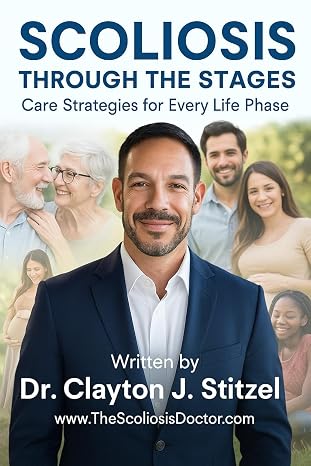
Discover hope, science, and real solutions—explore The Scoliosis Doctor series on Amazon and start transforming your scoliosis journey today! Download the Kindle app on your mobile device for free! Get it for iPhone. Get it for Android.
Future of Scoliosis Treatments
Looking ahead, the future of scoliosis treatment options looks bright. Technology keeps moving forward and helps new ideas grow in this field. We now use better imaging tools, new types of surgical equipment, and even artificial intelligence to help with care. These new tools change the way people with scoliosis are diagnosed, checked, and treated. They can offer more care made just for each person and may work better than older ways. These changes help us give new hope and help to people in need of scoliosis treatment options.
In the last few years, the field of treatment has changed a lot because of new technology. Spine specialists now use powerful imaging tools, like 3D spinal visualization, to see more of the patient’s curvature. This makes it easier for them to know what is going on with the spinal deformity. That means they can give each person a treatment plan just for them. Spine specialists use flexible cords for better accuracy. With the help of these new ways to show the spine, the specialists can make choices that help people feel better. This leads to better results and makes treatment work well.
What are some of the latest emerging scoliosis treatments?
Some of the latest new treatments for scoliosis include specific exercise programs. A few others are spinal tethering and vertebral body stapling. These options are meant to help straighten the curvature of the spine. They give another way for people to treat scoliosis instead of getting spinal fusion surgery. A lot of people want to avoid fusion surgery, so these treatments can be good for them. The new methods aim to fix the curvature while being less invasive than the usual spinal fusion.

Are These New Treatments Right for You?
When you look at all your choices, it is important to talk to a spine specialist. The specialist can help you choose what is best for your condition. The curvature of the spine and your mobility are two key things to think about. A doctor will also want to look at your future growth and your general health.
It is best to have open talks with your spine specialist about treatment. You should feel free to share your goals and preferences. That way, the treatment the doctor suggests will match what you want and what matters to you.
When you have to choose the right treatment for the curvature of the spine, you need to look at a lot of things. The main points are how much curvature there is, the mobility of the patient, how much more the person will grow, and their general health. It’s important to think about how this approach will affect their quality of life as they grow up, their posture, and other things that matter in the long run. The best way to get good results is for the patient, their family, and the spine specialist to talk and work together so that everyone is on the same page when making choices.
Conclusion
To sum up, there are now new treatments for scoliosis. Some new scoliosis surgery methods are showing good results and several benefits when put next to old ways. Treatments like the ScoliSMART Activity Suit, Anterior Scoliosis Corrective Surgery (VBT), and Vertebral Body Tethering (VBT) all give a more tailored and less invasive way to spinal correction. Many of these use small incisions, which can help people heal up faster. These ways also help the spine stay more flexible after the treatment and lower the risk of problems that come with spinal fusion surgery or fusion surgery.
But, it is important for each person to look at their own needs and talk with a doctor before choosing what is best. The choice of treatment, like vertebral body tethering or spinal fusion, may be different for everyone. As technology moves ahead, we are likely to get more new and gentle ways to fix scoliosis. This will give people better and easier scoliosis options in the years to come. Discover hope, science, and real solutions—explore The Scoliosis Doctor series on Amazon and start transforming your scoliosis journey today! Download the Kindle app on your mobile device for free! Get it for iPhone. Get it for Android.


