

Key Highlights
- Scoliosis patients often get digestive issues. This shows the link between the spinal curvature and gut health.
- Poor gut health can lead to more inflammation and bad nutrient absorption. This might affect scoliosis progression.
- When the spine curves with scoliosis, it can press on the digestive organs at times. This brings pain or discomfort.
- Taking care of digestive health with a good diet, probiotics, and supplements can play a big part in scoliosis management.
- Recent studies show that gut microbiota, or the bacteria in your gut, can change bone health and scoliosis symptoms.
- A functional medicine approach tries to find root causes. It connects digestive health directly to managing the overall well-being of scoliosis patients.

Introduction
When you think about scoliosis, you might first think of the curve in the spine. But do you ever wonder how it can be linked to your stomach? More people now know that the body is all connected. For scoliosis patients, knowing about the surprising link between gut health and the spine can really help. This connection can affect not just how your stomach feels, but also your overall health. It can even change how you deal with spinal curvature.
Exploring the Connection Between Gut Health and Scoliosis
The idea that your gut health can impact your spine may sound odd at first. But the link is real and comes from how your body works together as one. A gut that is not healthy can cause inflammation all over the body. It can also stop you from taking in essential nutrients. Both the inflammation and lack of these nutrients are important for your bone and muscle health.
If you have scoliosis, this link matters a lot. Fixing digestive issues is not only about being more comfortable. It may help your overall health and could slow down how fast scoliosis progresses. This is also true for mental health. The gut and brain are linked, and this link affects well-being. We will talk about why this is important, how ScoliSMART handles it, and what this means for your care.
Why the Gut-Spine Relationship Matters
Your gut does more than help with digestion. It is the main place for a big part of your immune system. The gut works to break down food and gives your body the things it needs to feel good and strong. When you have poor gut health, the body may become inflamed. Having this kind of problem for a long time can make scoliosis symptoms worse. It can hurt your muscles and joints. A healthy gut helps you feel better and lets your body fight sickness in a good way.
Poor gut health can make it hard for your body to take in the vitamins and minerals it needs for strong bones. Nutrients like calcium, vitamin D, and magnesium are needed for good bone density. If your digestive system is not doing well, your body may not get enough of these key things. This can be a real problem when you have a condition that can change how your spine is built. Taking care of your gut health is one way you can help keep your bones strong.
A healthy gut helps your whole body work well. When you care for your digestive system, you also help your immune system stay strong. You boost nutrient absorption and keep your bone health in good shape. It is important to look at things this way, especially when you face problems because of a spinal curvature.
Brief Overview of ScoliSMART Approach to Scoliosis
The ScoliSMART way to scoliosis treatment is not like the normal methods. It does not just use “watchful waiting” or scoliosis surgery. Instead, the treatment plan tries to stop scoliosis progression without any surgery. It looks at the main problem, which is that the brain and the spine do not talk to each other the right way. The plan uses a special scoliosis exercise program. It also adds help with the right nutrition to support you. This new way of helping scoliosis gives you a choice that is simple and does not need surgery.
The main aim is to teach the body new ways to stand and move. This is done with special tools, like the ScoliSMART Activity Suit. These tools help your muscles learn how to hold your spine straighter in a natural way. It’s not only about putting on a scoliosis brace. You also need to use your body and take part in the right actions to make change that lasts.
This plan for scoliosis management does more than just try to stop the curve from getting worse. It helps make your quality of life better in many ways across the United States. The ScoliSMART way looks at how the whole body works together. This gives you a path to better spinal health with no need for any invasive treatments.

Digestive Health in Scoliosis Care
It makes sense to include digestive health when treating scoliosis. A healthy digestive system helps your body get the nutrients it needs. These nutrients are important to build strong bones and muscles. Your spine needs this kind of support. But, if you deal with digestive issues, your body cannot take in nutrients well. That can make it hard to have strong bones. So, focusing on digestive health can help you get better results with scoliosis care.
Many people who have scoliosis say they deal with digestive problems. You may feel bloating, have extra gas, or feel more pain than usual in your stomach. This can happen because the curve in the spine can put pressure on your inner organs. Digestive problems can also start if there are some imbalances in the gut, and these are common for people with scoliosis.
If you take care of your digestive health, you help your body take in the fuel it needs. This will help your body work better when you do other things, like scoliosis exercises made for you. Dealing with the things that bother your stomach and digestion is not just a small thing. It is a part of how you can feel better and take care of your overall health and scoliosis at the same time.
How Scoliosis May Affect Digestive Function
Scoliosis affects more than just posture or back pain—it can also impact how your internal organs function, including the digestive system. For some, spinal curvature leads to uncomfortable digestive issues because changes in body shape reduce space for the stomach, intestines, and spinal cord, disrupting their normal function.
In scoliosis, the spine not only curves but also twists, which can compress or shift organs like the stomach and intestines. This pressure may slow digestion, causing bloating, fullness, or constipation. Severe scoliosis can make these symptoms more frequent and long-lasting.
Not everyone with scoliosis experiences digestive problems; effects vary based on the curve’s location and severity. However, for those affected, there is a clear link between spinal changes and digestive discomfort.

Common Digestive Issues Noticed by Scoliosis Patients
If you are one of the many scoliosis patients, you might see some digestive issues come up now and then. You may wonder if these problems are tied to your scoliosis. A lot of people with scoliosis feel the same way, and what they feel can go past just back pain. These issues can get in the way of daily comfort and also affect your gut health.
These signs can at times look like other health problems. But if they do not go away, and you are one of the scoliosis patients, this can show there is a link. Some of the most common digestive issues you may hear about are listed here:
- Bloating and too much gas, mainly after you eat.
- Constant constipation or, on the other hand, diarrhea.
- Acid reflux or a feeling that you have indigestion.
- Stomach pain and feeling uncomfortable in the belly.
It is important to know these symptoms. When your gut is not happy, it can cause swelling in the body. This swelling can make other scoliosis symptoms feel worse. Taking You need to take care of these stomach problems so you feel better and improve your quality of life.
Insights from Functional Medicine Practitioners
Functional medicine gives a new way to see the link between scoliosis and digestive problems. Instead of only treating the signs, doctors in this field look for the root causes of the health issues. With this way of thinking, digestive issues are not only a side effect. They are a clue to what is happening deep within the body.
Doctors who practice functional medicine know the gut plays a big role in how the body works. It is important for things like immune function and swelling in the body. They check if things like “leaky gut,” trouble with certain foods, or not having the right balance of gut bacteria could be some of the causes behind bigger health issues. These issues may have an effect on scoliosis.
They work to bring the gut health back to normal. The goal is to make swelling go down, help the body take in more from food, and let the body heal and stay strong. This way, they see that many health conditions, even scoliosis, connect to how well the digestive system works and how good the nutrient absorption is.
The Role of Gut Microbiota in Spine and Bone Health
Did you know there are trillions of tiny things living in your gut? These small bacteria are called the gut microbiota. The gut microbiota helps with your digestive health. But it does more than that. New research shows it may also be good for your overall health. These tiny things could even help your bone density and keep your spine healthy.
This link matters a lot to anyone who cares about spinal health. A good and balanced gut microbiota helps your body get key nutrients. These nutrients help keep strong bones and control swelling inside the body. Now, let’s see the basics of gut microbiota and how it can change scoliosis.
Your gut microbiome is made up of many bacteria, viruses, and fungi that live in your digestive system. Many people hear the word “bacteria” and think it is bad. But most of these are good bacteria. They play a crucial role in your health.
So, what do they really do? A healthy gut microbiome does many important things. It helps you with:
- Break down food that your body cannot handle on its own.
- Make important vitamins, like vitamin K and a few B vitamins.
- Help your immune system and keep you safe from bad germs.
Think of your gut microbiome like a busy city inside you. When things are in balance, everything works well. But if this balance is off, it can hurt your gut health. This can also have effects in other parts of your body. It might change your mood and even your bone strength.

Click on the Scoli-Fact to see the rest of the Scoliosis Facts!
Does Gut Dysbiosis Influence Scoliosis Progression?
Gut dysbiosis means that the gut microbiota is out of balance. This happens when there are more harmful bacteria than good ones in your gut. When this imbalance happens, it can bring many problems. One main problem is long-lasting inflammation. This is important to know about when we talk about scoliosis progression.
When your gut gets inflamed, the problem might not just be in your gut. It can spread to the whole body. This can start to affect your bone health and the immune system. The body may find it harder to stay healthy and keep bones strong. If you have scoliosis, you need to be careful, because anything bad for bone health can be risky.
There is still more research to do, but some people think that problems in the gut may play a part in how scoliosis gets worse for some folks. A gut that is not healthy may cause swelling in the body and can also mess with nutrient absorption. This can make it hard for the body to keep the spine in good shape.
Research Update: “New Perspectives on Gut Microbiota and Scoliosis”
Recent studies are helping us know more about the link between gut microbiota and idiopathic scoliosis. A 2024 study called “New Perspectives on Gut Microbiota and Scoliosis” found that teens who have idiopathic scoliosis have different gut bacteria from those who do not have this problem. This means the gut may have a role in how idiopathic scoliosis starts or gets worse.
The research shows that changes in gut microbiota can change hormone levels. It also affects the immune system and how the body uses food for energy, addressing the drivers of progression. All these things are important for bone growth and spinal health. Because of this, there could be new ways for scoliosis treatment that do more than just using standard physical methods.
The study shows that therapies that help to balance the gut microbiota, like using probiotics or changing what you eat, might be used one day to help manage scoliosis symptoms. You can read the full study here
Scoliosis and Digestive Symptoms: Key Observations
Many people find that there is a clear link between scoliosis, particularly adolescent idiopathic scoliosis, and digestive symptoms. A curved spine can get in the way of the way your body digests food. This can lead to several health conditions that feel uncomfortable. These symptoms can change how you feel each day and also affect your overall digestive health.
By paying close attention to how the curve of the spine affects the stomach and the bowels, we can see why the problems may happen. We will also talk about what “scoliosis belly” means. The text will share ideas from experts to help you understand this topic.

Scoliosis-Related Impact on Stomach and Bowel Function
The position and work of your stomach and bowels depend on having enough space in the belly area. A big spinal curvature can take up some of this space. It puts pressure right on the organs of your digestive system. This can make it hard for them to work well.
Scoliosis can create digestive issues in the body, including bowel movements. When you feel full quickly after eating, it may be because your stomach can’t stretch right. This can also cause acid reflux. For your bowels, the pressure from scoliosis can slow how the waste moves. This makes constipation and bloating happen. These problems come straight from how scoliosis changes the shape of your body.
As time goes on, these problems can lead to bad stomach health and trouble with your bowels. This is a clear example of how an issue with the spine can cause problems in other parts of the body. It shows that everything inside us is linked together.
Key Insights from “Scoliosis and Digestion: Impact on Stomach Health”
The article “Scoliosis and Digestion: Impact on Stomach Health” from treatingscoliosis.com looks at how scoliosis and the stomach can be linked. It points out that for many scoliosis patients, digestive issues are real and feel hard to deal with. The article wants people to know these problems are not made up in the mind. They have a real cause inside the body.
The author says that when the digestive tract gets squeezed, it is often the main reason for poor stomach health in people with scoliosis. This problem can cause several issues, including trouble with nutrient absorption and long-lasting pain. Both can make scoliosis management harder.
Here are a few key takeaways from the article:
- The curve in the spine can put pressure on the body and slow down digestion.
- When the spine is not lined up right, nerve signals may not reach the stomach and other organs as they should.
- A good treatment plan for scoliosis patients should also look at how they feel and take care of their digestive health.
You can read more about this by checking out the full article here
Scoliosis Belly: What Is It and Who Gets It?
“Scoliosis belly” is a phrase used by some people, but it is not an official diagnosis that doctors use. The term is for when the stomach looks to be sticking out or is not even, which can sometimes be seen in people with scoliosis. This look is often because the curvature of the spine can make real changes to the shape of the body in the middle area.
When the spine bends and turns, it can push the rib cage out on one side. This can make the muscles in the belly look uneven. A bulge may show up, and you may see it more on one side. Along with these changes, having long-term bloating or other digestive problems can also make a scoliosis belly look worse.
This is one of the visible scoliosis symptoms. The way the spine bends, which can be measured using the Cobb angle, can change the look of the stomach and how things feel in your abdomen. People who have a big curve in their back, especially in the thoracic or lumbar spine, may see this happen. It can be even easier to notice for those who also have digestive health problems or other health issues.
Nutritional Approaches for Gut Health in Scoliosis Patients
Eating the right foods is vital for people with scoliosis, especially when focusing on gut health. A balanced diet and nutritional supplements can support bone health and reduce inflammation, helping manage your condition beyond daily comfort.
The ScoliSMART approach views scoliosis as a neuro-hormonal issue, not just a spinal curve. Its treatment goes beyond bracing by addressing genetic risks, hormonal imbalances, and brain-body communication to support your child’s spine. Nutrition plays a key role in this only plan.
ScoliSMART recommends specific foods and supplements to support neurotransmitter function and bone strength. Proper nutrition helps your body respond better to exercises and therapies at Scoliosis Boot Camp. By making lifestyle changes and following targeted nutrition, you help prevent scoliosis progression from within—strengthening your body to work against small curves of the condition every day.

Top Vitamins and Minerals to Support Spine and Gut Health
Some key nutrients help support your spine and your gut. The vitamins and minerals in these nutrients have a crucial role in making strong bones and in keeping inflammation low. They also help keep your digestive system healthy. It is important to get enough of these essential nutrients every day.
Getting enough of these nutrients helps your body build strong bones. They also help keep your immune function balanced. Here are some of the most important ones that you should focus on:
- Vitamin D: This is very important for bone density. It helps the body use calcium well. It is also good for the immune system.
- Vitamin K: This vitamin works with Vitamin D. It helps send calcium into the bones and keeps it out of the soft parts of the body.
- Magnesium: Magnesium is in a lot of body jobs like muscle work, nerve talks, and making bones strong.
- Omega-3 Fatty Acids: These fatty acids can lower swelling in the body. This can help control swelling that could affect scoliosis.
Adding these nutrients by eating certain foods or taking supplements can help you. But you should always talk to a healthcare professional before you start new supplements. This is important so you know they are right for your specific needs.
The Role of Diet in Managing Both Scoliosis and Digestive Symptoms
A good diet can help you manage scoliosis and help with digestive symptoms. Try to eat foods that lower swelling in the body. You should pick foods that help bone health and are simple for you to eat and digest. Additionally, consider scheduling a cost phone consultation to gain more insights. A balanced diet that has whole foods is a strong start for your health.
Try to add a mix of foods that fight inflammation to what you eat. Pick lots of colorful fruits and vegetables. Choose lean proteins like fish and chicken. Eat healthy fats from avocados and nuts, and get your fiber from whole grains. All these foods help your body get the vitamins and minerals it needs. They help with nutrient absorption and keep you working well.
If you eat foods that help your digestive system, this can also make other symptoms of scoliosis better. When your body does not have to deal with problems in the digestive system or swelling, it can use more energy to help your muscles and let them heal. A digestive system that is calm often means you feel less discomfort and better in your body.
Digestive Supplements and Probiotics in Scoliosis Care
There are times when food by itself can’t fix the gut health of scoliosis patients. This is true when their digestive system isn’t working as well as it should. In these cases, digestive supplements and probiotics can help. They give support to the gut. These tools make it easier for the body to take in the nutrients it needs. For people with scoliosis, adding these things may help them feel better and improve their gut health.
Targeted supplements can help give your body what it may not get from food. Probiotics work by adding good bacteria back into your gut. These things can help you feel better if you have scoliosis and digestive issues. Let’s look at which kinds of supplements may be good for this, and see how they help with problems linked to scoliosis in your stomach and gut.
There is not one answer for how to make your digestion better. The best digestive supplements for you will depend on your specific needs and what you feel. A healthcare professional can help you see what is right for you. Still, some tips are common and can help most people.
These supplements help your body digest food better. They make it easy for you to break down food. They also help you get nutrients from what you eat. Some of the most often suggested types are:
- Digestive Enzymes: These break down what you eat, like proteins, fats, and carbohydrates. Taking digestive enzymes as a supplement can be helpful if your body does not make enough of them. It can help lower bloating and gas.
- Probiotics: These are live, good bacteria. They work to bring back a healthy balance to your gut microbiome.
- L-Glutamine: This is an amino acid that helps to keep your gut lining strong. A healthy gut wall is important for stopping what people call a “leaky gut.”
It’s important to work with someone who knows your health history well. This person can help you pick the right mix of supplements for your specific needs.

How Probiotics Can Help with Scoliosis-Related Digestive Concerns
Probiotics can help with digestive issues linked to scoliosis by adding good bacteria to your gut, pushing out bad bacteria, and restoring balance. A balanced gut may improve comfort and reduce inflammation, which can worsen scoliosis symptoms. Probiotics also support immune function and may help your body absorb more calcium and minerals, potentially strengthening bones.
While probiotics and digestive supplements are generally safe, they may cause temporary stomach upset, gas, or bloating as your body adjusts. Overusing or choosing the wrong supplement can also lead to discomfort. Always select reputable brands and follow dosage instructions unless advised otherwise by a healthcare provider.
Most importantly, consult your doctor before starting any new supplement—especially if you have existing health conditions or take other medications—to ensure safety and effectiveness for your needs.
Functional Medicine: Viewing Scoliosis Through a Gut Health Lens
Functional medicine gives a new and full-picture way to look at scoliosis, including considerations before spinal fusion. It does not see scoliosis as just a problem with the spine. Instead, it sees the body as a whole system where all parts work together. With this way of thinking, gut health is not something extra. It is an important part of scoliosis management.
Functional medicine works to find the root causes of problems. It looks at things like inflammation and not getting enough nutrients. A lot of this can start in the gut. The goal is to make the body’s inside conditions better. This can help those with scoliosis feel better and can improve their quality of life.
Functional medicine doctors are good at seeing how things are linked. When they talk about the “gut-spine axis,” they look at how your digestive system and spinal health can affect each other. They know that what goes on in your gut can also impact other parts of your body, not just the gut itself.
When you look at it from a functional medicine view, bad gut health can cause swelling all over the body. This can upset many tissues, like the muscles and ligaments that hold up the spine. A gut that is not healthy does not let your body take in nutrients well. Because of poor nutrient absorption, your bones and muscles do not get what they need to be strong.
In the management of scoliosis, Scolismart doctors use tests to find things like gut problems, food issues, or lack of nutrients. Once they know what is wrong, they work to heal the gut. This helps lower swelling in the body and improve nutrient levels. A healthier gut can make a better base for good spinal health.
Integrative Strategies for Improving Digestion and Reducing Scoliosis Symptoms
Improving your digestion can help lower scoliosis symptoms. Some treatment options bring together both regular and new ways to help your body feel better as a whole, especially when early treatment is considered. When you focus on your digestive health, you may have less inflammation, more energy, and feel better overall. This way, it is not just about your back—it is about helping your whole body feel good.
Making changes to your daily life along with using special treatments can give the best results. The main goal is for each step in your plan to help the other steps work better. Here are some good ways for things to work together and support each other:
- A Personalized Anti-Inflammatory Diet: Take out trigger foods from what you eat. Add more whole foods that have good nutrients. This can help calm the digestive system.
- Targeted Nutritional Supplements: Use nutritional supplements like probiotics, digestive enzymes, and vitamins. These can help the digestive health and your bone health get better.
- Mind-Body Practices: Try stress-management ideas like yoga or meditation. Stress can be bad for your digestive system, so these can help improve your digestive health.
These steps, along with regular exercise that is right for scoliosis, help make your health better from the inside out.
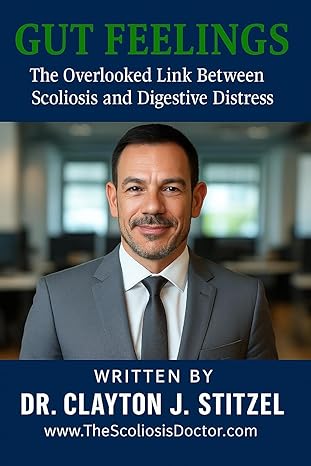
“Gut Feelings: The Overlooked Link Between Scoliosis and Digestive Distress” by Dr. Clayton J. Stitzel
In his book, “Gut Feelings: The Overlooked Link Between Scoliosis and Digestive Distress,” Dr. Clayton J. Stitzel, who is known as The Scoliosis Doctor, talks about the strong link between gut health and scoliosis. This book is there to help people and parents who notice that there are digestive issues with scoliosis, even if others say they have nothing to do with each other. Dr. Stitzel does not agree with that and explains why the gut plays a big role in scoliosis management.
The book does more than talk about the connection. It gives a treatment plan that you can use in real life. The book shows how problems in the gut can cause inflammation and not enough nutrients. These issues help scoliosis get worse. If people focus on these root causes, they can feel better. This can help with digestive issues and scoliosis symptoms. It may also make mental health better.
Discover hope, science, and real solutions—explore The Scoliosis Doctor series on Amazon and start transforming your scoliosis journey today! Download the Kindle app on your mobile device for free! Get it for iPhone. Get it for Android.
Key highlights from the book include:
- A simple look at how the gut, brain, and spine are all linked will help you see why this is important for scoliosis. The gut-brain-spine axis means the three parts work together. If there is a problem in one part, it can affect the others. Understanding this can help you know more about scoliosis management.
- You can do things to help your gut feel better. Try eating good foods, taking the right supplements, and making better lifestyle choices. These small changes often help the gut heal.
- When your gut works well, it can make your whole body feel better. A healthy gut plays a big part in your scoliosis management. You may feel less pain and feel stronger. This way, your quality of life can go up, and you feel good every day. Digestive health is important in this process.
Conclusion
In the end, it is clear that gut health and how scoliosis gets worse are closely linked. The study “New Perspectives on Gut Microbiota and Scoliosis” shows that gut microbiota has a crucial role in spine and bone health. Also, “Scoliosis and Digestion: Impact on Stomach Health” talks about the digestive issues faced by scoliosis patients, and how working on these can help improve the way people feel day to day. If you want to know more, read “Gut Feelings: The Overlooked Link Between Scoliosis and Digestive Distress” by Dr. Clayton J. Stitzel. He talks about ways to handle both gut health and scoliosis for better life. Focusing on gut health may help to ease symptoms and make the quality of life better for scoliosis patients.
Frequently Asked Questions
Can improving gut health help reduce scoliosis symptoms?
Yes, working on your gut health can help. A healthy gut can bring down swelling throughout your body. It also helps your body take in more nutrients. This supports bone and muscle health. You may feel less pain, and life can feel better every day. This is important when you want to keep scoliosis symptoms in check and look after your digestive health. A healthy gut plays a big role in your quality of life.
What types of supplements support digestive health in scoliosis patients?
For people with scoliosis, taking digestive supplements like probiotics, digestive enzymes, and L-glutamine can help a lot. These can make the gut bacteria stay balanced. They also help break down what you eat. The supplements work to keep the gut lining in good shape. Getting enough vitamin D and omega-3s is important too. These essential nutrients are good for your gut health and make your bones stronger.
Is there scientific proof that gut bacteria impacts scoliosis progression?
Recent studies show that there is a connection between gut bacteria and scoliosis. Scoliosis patients often have gut bacteria that is not the same as people who do not have this condition. This difference may impact inflammation and bone health. It might also play a role in how scoliosis grows over time. However, more research is needed to find out if this is the direct cause.
The Gut-Brain-Spine Axis—Neurological Pathways Linking Digestion and Scoliosis
The gut-brain-spine axis is a fascinating pathway that highlights the intricate connections between our digestive system and neurological health. This system operates through a complex network of signals that communicate between the gut and the brain, influencing not just emotional and mental states, but also physical conditions such as scoliosis. Research suggests that gut health can significantly impact the progression of spinal deformities; an imbalance in gut microbiota may lead to inflammation and pain, further exacerbating postural issues. As such, nurturing our gut health through proper nutrition and lifestyle choices may offer a complementary approach to managing scoliosis. Understanding these neurological pathways underscores the importance of a holistic perspective in treating not only scoliosis but also the overall well-being of individuals with this condition.
Long-Term Complications—Gut and Scoliosis in Later Life
As individuals age, the intricate relationship between gut health and scoliosis progression becomes increasingly significant. Research indicates that an imbalanced gut microbiome may exacerbate scoliosis-related symptoms and lead to further complications. A healthy gut plays a crucial role in nutrient absorption, immune function, and inflammation regulation, all of which are essential for maintaining spinal integrity. Unfortunately, common gastrointestinal issues, such as dysbiosis or inflammation, can hinder these vital processes, potentially accelerating the curvature of the spine and impacting overall mobility. Therefore, focusing on gut health through a balanced diet, probiotics, and prebiotics may offer a proactive approach for individuals with scoliosis, helping them to mitigate some long-term complications associated with their condition as they journey through later life.


