

Key Highlights
- The sacrum plays a vital role in spinal stability and overall posture.
- Scoliosis can significantly impact the sacrum, leading to pain and dysfunction.
- Sacrum-focused physical therapy aims to address scoliosis by improving sacral alignment and strength.
- Specialized exercises and manual therapies are employed to target the sacral region and surrounding muscles.
- Research and case studies suggest that this approach may contribute to improved outcomes for individuals with scoliosis.
The sacrum is a bony structure at the bottom of the vertebral column. It helps connect the spine to the posterior aspect of the pelvis, specifically the arcuate line of the ilium, as part of the pelvic girdle. It also makes up the back wall of the pelvic cavity. One important part of the sacrum is the sacral promontory, which is part of the wings of the pelvis and the sides of the sacrum. This is a bony projection that helps support the spine’s structure and is important for childbirth in women. Because the sacrum helps with spinal stability, it is significant when dealing with spinal issues like scoliosis.

Understanding Scoliosis and its Impact on the Sacrum
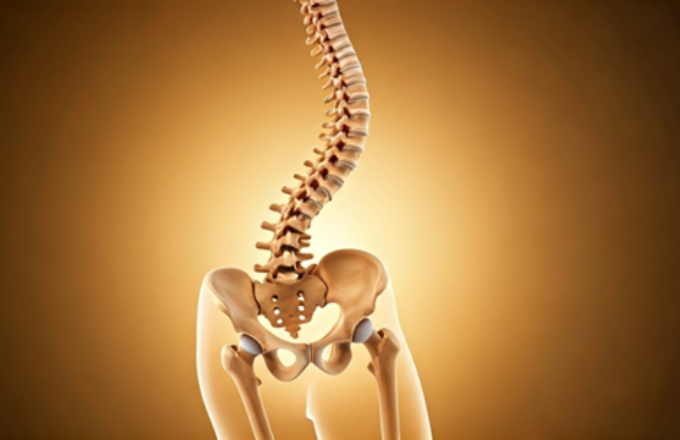
Scoliosis is a condition where the spine curves in an unusual way. This can affect the body’s musculoskeletal system in many ways. It usually happens in the thoracic and lumbar areas but can also affect the sacrum a lot.
The sacrum is linked to the rest of the spine. If one part is out of balance, other parts have to adjust. To create good treatment plans, it is important to understand how scoliosis and the sacrum work together. This will help focus not only on fixing the spine curve but also on keeping the body’s balance and function in check.
Basics of Scoliosis
Scoliosis is a condition that affects the vertebral column, including the cervical spine. It causes the spine to curve to the side, often forming a ‘C’ or ‘S’ shape. This curvature can vary in severity and can happen to people of all ages. While scoliosis is distinct from spina bifida, it is most common in teenagers.
The lumbar spine is a part of the spine that can be greatly affected by scoliosis. It is essential for supporting the body’s weight and helping with movement. This lower part of the spine depends on the sacrum for stability and to manage forces properly.
Scoliosis can cause different symptoms, such as back pain and muscle imbalances. In severe cases, it can compress the spinal cord and affect internal organs. To manage these symptoms and the curvature of the spine, a combination of treatments might be necessary. This can include physical therapy, wearing a brace, or surgery in some situations.
How Scoliosis Affects the Sacral Region
The sacral region includes the sacrum and the sacroiliac joints. It is very important for carrying weight from the spine to the lower body. But when scoliosis is present, it can disturb this balance. As scoliosis gets worse, it can cause uneven force on the sacroiliac joints.
This uneven stress can show up in different ways. One common issue is pain and stiffness in the lower back, hips, and buttocks. This happens because the mechanics of the sacroiliac joint, influenced by the surrounding structures, including the sacral ala, change. The sacral vertebrae, both individually and together, can also be affected by scoliosis. This may cause misalignment in the sacrum.
Additionally, scoliosis can cause problems in the muscles that connect to the sacrum, like the piriformis and gluteus maximus. These muscle issues can increase pain, limit movement, and add to instability in the sacral region.

The Role of the Sacrum in Body Mechanics and Stability
The sacrum is at the base of the spine. It is very important for keeping our body strong and allows us to move in many ways. Acting as the center of the pelvis, it helps carry weight from the upper body down to the legs. This makes it a key connection between the spine and the legs.
The sacrum also affects how we stand, walk, and do daily tasks. Having a well-aligned and stable sacrum is important for our body to work well and stay healthy.
Anatomical Overview of the Sacrum
The sacrum, often referred to as the sacred bone, is a large bone, triangular in shape, made from the fusion of five sacral vertebrae. It is at the base of the spine, connecting with the fifth lumbar vertebra and its associated intervertebral disc, as well as the coccyx (tailbone) below, and helps transmit the weight of the body. Its unique shape helps give it strength and stability.
The sacrum has several important features. The sacral canal runs down the center and holds the sacral nerves, including important spinal nerves. The median sacral crest on the dorsal surface of the sacrum is a bony ridge that runs vertically along the back, which helps attach ligaments and muscles. Additionally, the posterior surface of the sacrum features the posterior sacral foramina and lateral surfaces of the sacral foramina, small openings on both the front and back of the sacrum, that allow nerves and blood vessels to pass through.
The complex design of the sacrum shows how it supports the body’s weight. It protects sensitive nerve structures and provides spots for muscles that help with movement and stability.
Importance of Sacral Alignment in Overall Posture
Proper alignment of the sacrum is very important for keeping a healthy posture. This affects everything, like how we walk and breathe. The sacrum, which is a triangular bone, is the base of the spinal column. If the sacrum is not aligned well, it can change the way the whole body holds itself.
The sacrum has a key job of sharing weight evenly across the pelvic girdle. When it is aligned correctly, it moves weight from the upper body through the sacroiliac joints and down into the legs. If the sacrum is misaligned, a smaller promontory results in the sacrovertebral angle, which can impact the passage of child during delivery, as the distance from the top of the symphysis pubis and the subpubic angle can affect how weight is distributed, leading to uneven weight distribution. This may lead to pain, instability, or changes in how we move.
There is also the sacral hiatus, which is an opening at the bottom of the sacrum. This opening helps nerves flow to the muscles of the pelvic floor. These muscles are important for holding up the pelvic organs and helping with continence.

Click on the Scoli-Fact to see the rest of the Scoliosis Facts!
Sacrum-Focused Physical Therapy Approaches
Sacrum-focused physical therapy offers a specific way to manage scoliosis symptoms. It helps improve spinal stability by looking at sacral alignment and strengthening the muscles around the sacrum. This method is more detailed than regular physical therapy exercises. It uses special techniques aimed at the unique movement of the sacral region and how it relates to the spine.
Skilled physical therapists create treatment plans based on each patient’s needs. They focus not only on easing immediate problems but also on tackling the underlying issues that cause sacral dysfunction in the case of scoliosis.
Core Strengthening and Stability Exercises
A key part of this physical therapy method is using exercises that work the deep stabilizing muscles around the spine, pelvis, and abdomen. By making these muscles stronger, people can increase sacral stability. This is very important for supporting the spine and improving posture.
The main muscles focused on during these exercises usually include:
- Erector spinae: These muscles run vertically along the back. They are essential for spinal extension and rotation.
- Multifidus: These small muscles are deep along the spine. They help with spinal stability and control.
- Transverse abdominis: This muscle is a key part of the core. It helps stabilize the abdomen and support the spine.
Strengthening these muscles can lower the strain on the transverse processes of the spine. These are the bony parts where muscles and ligaments attach. By improving core strength, sacrum-focused physical therapy aims to lessen the stress on the sacral nerves. These nerves can get pinched or irritated because of scoliosis. In the end, these exercises help create a more balanced and well-supported spine.

Manual Therapy Techniques for Sacral Adjustment
Manual therapy techniques constitute another vital aspect of sacrum-focused physical therapy for scoliosis. These hands-on techniques, performed by trained physical therapists, aim to restore proper alignment to the sacrum and reduce pain caused by restricted movement or joint dysfunction.
Gentle mobilization and manipulation techniques can be used to address misalignments in the sacral vertebrae, improving the overall mechanics of the sacroiliac joint. Therapists may also employ soft tissue mobilization to release muscle tension in the muscles surrounding the sacrum, such as the piriformis and gluteals, which can contribute to back pain and sacral dysfunction.
| Technique | Description | Benefits |
| Sacral Mobilization | Gentle, rhythmic movements applied to the sacrum to improve joint mobility | Reduces stiffness, improves range of motion, alleviates pain |
| Muscle Energy Techniques | Involves gentle muscle contractions combined with specific therapist-guided movements to restore proper joint mechanics | Addresses muscle imbalances, improves joint alignment |
| Myofascial Release | Hands-on techniques that focus on releasing tension and restrictions in the connective tissue (fascia) surrounding muscles | Reduces muscle tightness, improves tissue mobility |
These manual therapy techniques, when combined with targeted exercises, can effectively address sacral dysfunction related to scoliosis.
Case Studies: Sacrum-Focused Therapy on Scoliosis Patients
Case studies show that using a sacrum-focused approach in scoliosis treatment can help patients feel better. Though more research is needed for clear answers, these early results show promising benefits from focusing on the sacrum.
Patients who get sacrum-focused physical therapy along with regular scoliosis treatment often say they experience:
- Reduced back pain
- Improved posture
- Increased flexibility
- Enhanced functional mobility

Pre-therapy Assessment and Outcomes
Before starting sacrum-focused physical therapy, it is important to have a complete assessment. This helps to find out how much the sacrum is affected and creates a personalized treatment plan. This assessment usually includes reviewing the patient’s medical history, checking their posture, testing their movement, and feeling the muscles and joints in the lower back, pelvis, and hips.
The physical therapist will look at how the sacrum is aligned. They will check for any pain or limitations in the sacroiliac joints. They will also look for any muscle weaknesses or imbalances that might be affecting the patient’s condition.
Results after the therapy can vary based on how severe the scoliosis is, the patient’s overall health, and how well they follow the exercise and care instructions. Still, many people see significant improvements in their pain, movement, and overall function.
Long-term Benefits and Patient Feedback
The use of sacrum-focused physical therapy in a complete scoliosis treatment plan can provide helpful long-term benefits for many people. This method works on muscle imbalances and joint issues that often come with scoliosis. It can help stop symptoms from getting worse and improve overall spinal health.
Doing the recommended stability exercises regularly is very important to keep the benefits from physical therapy. These exercises help people strengthen the muscles that support the spine. They also encourage good posture and make the sacroiliac joints more stable. This can lower the chance of future pain and problems.
Patients’ reviews about sacrum-focused physical therapy have been mostly good. Many people notice less pain, better flexibility, and an easier time with their daily activities. This type of therapy is personalized to fit each patient’s needs, which helps make it more effective and satisfying for them.

Conclusion
In conclusion, using sacrum-focused physical therapy for scoliosis treatment shows good results. It can help improve posture and stability. Knowing how sacral alignment affects body mechanics is key for better therapy. With core strengthening exercises and manual therapy, patients can enjoy lasting benefits and better overall health. This type of therapy works well with regular physical therapy. However, it may not completely fix scoliosis but can lead to better outcomes. Starting this focused therapy early can bring the best results. This highlights the need for personalized care in treating scoliosis. For more information on how sacrum-focused physical therapy can help you or your loved ones with scoliosis, ask our experts today.
Frequently Asked Questions
What makes sacrum-focused physical therapy different from general physical therapy?
Sacrum-focused physical therapy and general physical therapy have a similar goal, but they are different in their methods. Sacrum-focused therapy uses special adjustments and exercises to help the sacrum. It targets the specific movements and position of the sacrum. This approach aims to achieve better healing results.
Can sacrum-focused therapy completely correct scoliosis curvature?
Fixing a scoliosis curve using only sacrum-focused therapy may not work for everyone. Still, it can lead to good improvements in how well a person can move, less pain, and better overall stability. This shows the many different treatment options available for each person’s unique situation.
At what age is sacrum-focused therapy most effective for scoliosis?
Finding the best age for sacrum-focused therapy in scoliosis treatment depends on a few things. These include where the person is in their development and the details of their condition. It is important to talk to a qualified healthcare professional. They can help decide if this therapy is right for you and if it can lead to the best results.
Are there any risks associated with sacrum-focused physical therapy?
Sacrum-focused therapy, like any treatment, has some risks. However, these risks are usually small. It is important to talk about your medical history and any concerns you have with your physical therapist. This discussion helps keep the therapy safe by taking care of any worries and pointing out possible issues before starting treatment.


