

Key Highlights
- Scientific evidence confirms that specific exercise programs can improve scoliosis management.
- The primary goals of scoliosis exercises are to enhance spinal alignment, strengthen core muscles, and improve quality of life. When comparing nighttime bracing to exercise therapy, such as the Schroth Method and other scoliosis exercises, research suggests that both interventions can help in moderate scoliosis cases, but their outcomes may differ. Nighttime bracing primarily focuses on preventing curve progression, while exercise therapy is aimed at functional improvement and quality of life. The choice often depends on patient needs and lifestyle preferences, and combining both strategies with physical therapy can sometimes offer the best results.
- Targeted approaches like the modern ScoliSMART program and the older Schroth Method offer specialized physical therapy.
- At-home exercises, yoga, and Pilates can be beneficial when adapted for scoliosis and performed correctly. When comparing bracing alone to observational management in scoliosis treatment outcomes, research shows that bracing is generally more effective in preventing curve progression, especially for growing adolescents with moderate scoliosis. Observational management, on the other hand, involves monitoring the condition without active intervention and is typically recommended for mild cases or when the risk of progression is low.
- Consulting a specialist is crucial to create a safe and effective treatment plan tailored to your spinal curve.
- Active rehabilitation, including exercise, is key to managing scoliosis symptoms and preventing curve progression.

If you or a loved one has scoliosis, you’ve likely wondered about the best ways to manage it. While options like bracing and surgery are well-known, what about exercise? Is there real scientific proof that it can help? The answer is a resounding yes. The right scoliosis treatment plan, including targeted exercises, can play a vital role in improving your spinal alignment, reducing pain, and enhancing your overall quality of life. Let’s explore the evidence and see how exercise can make a difference.
Understanding Scoliosis and Its Impact in the United States
Scoliosis is a condition that affects an estimated 6 to 9 million scoliosis patients in the United States alone. It involves an abnormal sideways curvature of the spine, which can range from mild to severe. Understanding the nature of this spinal curve is the first step in creating an effective treatment plan.
Its impact goes beyond just the physical curve, often affecting posture, comfort, and daily life. For many, managing scoliosis becomes a journey of finding the right support and strategies to live fully and comfortably.

What Is Scoliosis? Types and Overview
So, what exactly is scoliosis? It’s a condition where the spine curves sideways, often forming a “C” or “S” shape. This spinal curve can affect any part of the spine, but it’s common in the upper back (thoracic scoliosis) and lower back.
There are three main types. The most common, accounting for about 80% of cases, is idiopathic scoliosis, which means the cause is unknown. Congenital scoliosis is present at birth due to vertebral abnormalities, while neuromuscular scoliosis results from conditions like cerebral palsy or muscular dystrophy.
Whether you have mild scoliosis or severe scoliosis, the curve is measured in degrees. A small curve may only require observation, while a larger one might need more active treatment to prevent it from worsening.
How Scoliosis Affects Daily Life and Activities
Living with scoliosis can change your daily life in several ways. One of the most common complaints is chronic back pain, which can make simple activities feel challenging. You might also notice physical signs like uneven shoulders, a tilted waist, or one shoulder blade sticking out more than the other.
These physical changes can affect your confidence and quality of life. You may feel self-conscious about your posture or find it difficult to participate in certain sports or hobbies. The main goal of any treatment is to provide pain relief and help you return to the activities you love without discomfort.
Finding ways to manage these symptoms is key. With the right approach, you can significantly reduce the impact scoliosis has on your daily life and maintain an active, healthy lifestyle.

Prevalence Among Adolescents and Adults
Scoliosis can develop at any age, but it’s most frequently diagnosed in children and teens. Adolescent idiopathic scoliosis is the most widespread form, typically appearing in children between the ages of 10 and 15 during their growth spurts. The prevalence is higher in girls, who are also more likely to have curves that progress and require treatment.
In the United States, millions of people live with this condition. While many have mild or moderate scoliosis that doesn’t cause major issues, severe cases can lead to significant pain, deformity, and even breathing problems if the rib cage is affected.
Even adults can develop scoliosis, either from a childhood condition that progresses or as a new condition due to spinal degeneration. This underscores the importance of early detection and management for people of all ages.
Why Exercise Is Important in Scoliosis Management
When it comes to scoliosis management, exercise is not just an option; it’s a cornerstone of effective care. Targeted exercise programs are designed to strengthen your back muscles, improve posture, and provide better support for your spine. This active approach can help relieve many common scoliosis symptoms.
Unlike passive treatments, physical therapy and specific exercises empower you to take control of your condition. By building strength and flexibility, you can help slow the progression of your curve and improve your body’s overall function.
Goals of Scoliosis Exercises
The main goal of a scoliosis treatment plan involving exercise is to improve your posture and spinal alignment. By strengthening your core muscles—the muscles in your abdomen and back—you create a natural corset that helps support your spine. This can prevent further curve progression and reduce pain.
Another key objective is to create muscular symmetry. Scoliosis often causes muscles on one side of the body to become overworked while those on the other side weaken. Exercises aim to balance this out, leading to better posture and less strain. Some of the best exercises to help manage scoliosis at home include pelvic tilts, bird-dog poses, and gentle stretches that promote spinal mobility.
Ultimately, these exercises work together to improve your overall function and comfort. The focus is on enhancing your quality of life, allowing you to move with more ease and confidence.
Risks and Benefits of Physical Activity for Spinal Health
Engaging in physical activity offers numerous benefits for scoliosis patients. The right exercises can lead to significant pain relief, improved spinal mobility, and stronger muscles to support the spine. A well-designed physical therapy program can help you feel more in control of your body and reduce discomfort in your lower back.
However, there are also risks. Performing the wrong exercises or using improper form can put unnecessary stress on your spine and potentially worsen your symptoms. High-impact sports or activities that involve repeated twisting of the torso may not be suitable for everyone.
This is why it’s essential to work with a professional. A physical therapist specializing in scoliosis can guide you on which activities are safe and which to avoid, ensuring you get all the benefits without the risks.

Comparing Active Rehabilitation With Passive Treatments
When managing scoliosis, you’ll encounter both active and passive treatments. Passive treatments are things done to you, like massage or some forms of chiropractic treatment. Active rehabilitation, on the other hand, involves you taking an active role through exercise programs.
A physical therapist will guide you through exercises that target specific muscle groups to build strength and stability. While passive treatments can provide temporary relief, active rehabilitation offers long-term benefits by addressing the root muscular imbalances.
Here’s how they compare:
- Active Rehab: Empowers you to manage your condition by strengthening your own muscles.
- Passive Treatments: Provide temporary relief but don’t build long-term strength or stability.
- Active Rehab: Aims to create lasting changes in posture and muscle memory.
- Passive Treatments: Can be a helpful supplement for pain management but are less effective as a standalone solution.
Scientific Evidence Behind Scoliosis Exercise Programs
You might be wondering if there’s solid proof that exercise works for scoliosis treatment. The good news is that a growing body of research confirms its effectiveness. Numerous clinical studies have shown that specific exercise programs can lead to measurable improvements for patients.
This isn’t just about general fitness; it’s about targeted physical therapy designed for the unique challenges of a curved spine. The evidence points toward better posture, reduced pain, and improved quality of life, making exercise a scientifically supported part of any comprehensive treatment plan.

Click on the Scoli-Fact to see the rest of the Scoliosis Facts!
Key Studies Supporting Exercise for Scoliosis
The idea that scoliosis exercise can bring about real change is backed by compelling scientific studies. Researchers have investigated various physical therapy approaches and found positive results, providing solid evidence that these are more than just hopeful theories. These studies form the foundation of modern, non-invasive treatment plans.
For example, different studies have looked at the effects of chiropractic rehabilitation and specific exercise routines on both adolescents and adults. The findings consistently show that a dedicated treatment plan can lead to significant improvements in spinal alignment and overall well-being.
Quotes and Insights From Published Research
Diving into published research reveals powerful insights. One long-term study on adult scoliosis highlighted that a multi-modal chiropractic rehabilitation program resulted in “significant improvements in pain, Cobb angle, and disability.” This shows that a dedicated approach can lead to better results that last.
Another piece of research on Scoliosis-Specific Exercises (SSE) in adults concluded that these exercises can “reduce the scoliosis curve, pain, and improve the quality of life in adult scoliosis patients.” These findings are crucial because they confirm that it’s never too late to see positive changes.
These studies consistently point to the same conclusion: targeted exercises do more than just manage scoliosis symptoms. They can actively improve spine curvature and enhance your overall quality of life.
Statistics on Improved Outcomes From Exercise
The numbers speak for themselves when it comes to the success of scoliosis exercises. Research provides concrete statistics that show just how effective these programs can be. For example, a 2021 study on the Scoliosis Activity Suit found that adolescents who participated in the exercise program experienced significant improvements in spinal mobility and quality of life compared to those who did not.
Another study focusing on adult scoliosis treatment demonstrated that patients achieved an average pain reduction of over 50% after completing a specific exercise-based program. These improved outcomes show that exercise offers real pain relief and better support for the spine.
These statistics offer hope and validation. They confirm that committing to a research-backed exercise regimen is a powerful step toward managing scoliosis effectively.
ScoliSMART Approach and Its Unique Principles
The ScoliSMART approach is a specialized scoliosis treatment that goes beyond traditional exercise programs. It’s built on the principle that scoliosis is not just a muscular issue but a neurological one. It involves retraining the brain-to-spine communication to create new, healthier posture habits automatically.
This unique method uses targeted exercise programs to improve core stability and address the root cause of curve progression. By focusing on your body’s specific needs, ScoliSMART offers a personalized and proactive way to manage scoliosis.
Overview of ScoliSMART Exercise Programs
The ScoliSMART exercise program is a non-invasive treatment that works by retraining your brain and muscles to work together differently. Instead of just strengthening muscles around the curve, it aims to create new automatic posture memory. The program uses specific movements to stimulate the brain to recognize and correct the spine curvature on its own.
How does it work? The exercises involve reflexive actions that help your body learn a new “neutral” position. This helps strengthen abdominal muscles and back muscles in a balanced way, which is crucial for long-term spinal support. The goal is to make good posture an unconscious habit, not something you have to constantly think about.
By focusing on this brain-body connection, ScoliSMART helps you achieve a better quality of life. This innovative approach offers a path to managing your scoliosis that becomes a natural part of your daily movements.

How the ScoliSMART Activity Suit Helps Patients
A key part of the ScoliSMART program is the ScoliSMART Activity Suit. This isn’t a brace; it’s a dynamic tool designed to be worn during daily activities. The suit provides light resistance to your movements, essentially turning everything you do—from walking to playing—into a therapeutic exercise.
This constant, gentle resistance helps retrain your muscles and nerves. It encourages your body to hold a corrected posture reflexively, strengthening the back muscles and upper body in a balanced way. This process helps slow or even halt curve progression by teaching your body to support itself more effectively.
By integrating specific exercises with daily life, the ScoliSMART Activity Suit helps patients make faster and more lasting improvements. It’s an active, engaging way to work toward a healthier spine.
Difference Between ScoliSMART and Other Programs
ScoliSMART offers a unique approach compared to traditional programs by emphasizing active rehabilitation. While many treatments rely on scoliosis braces or invasive scoliosis surgery, ScoliSMART integrates specific exercises that promote spinal alignment and core stability. This tailored program focuses on the needs of each patient, encouraging better posture and pain relief. Studies indicate that methodologies like those used in ScoliSMART can improve quality of life significantly. For further insights, check out these studies on chiropractic rehabilitation.
Scoliosis Boot Camp: What Is It and How Does It Work?
A Scoliosis Boot Camp is an intensive, short-term treatment program designed to jump-start your progress. Instead of weekly physical therapy sessions, you immerse yourself in an environment focused entirely on improving your spine for several days. These camps are tailored to the needs of scoliosis patients.
The goal is to achieve significant gains in strength, flexibility, and better posture in a concentrated period. Through a structured schedule of exercise programs, you learn the tools and techniques needed to manage your scoliosis effectively at home.
Typical Exercises Included in Scoliosis Boot Camp
Scoliosis Boot Camp incorporates a variety of exercises tailored for different needs. Activities include Schroth exercises, which focus on improving spinal alignment and core stability. These movements often emphasize proper technique, such as abdominal presses and pelvic tilts, crucial for enhancing strength in the back and abdominal muscles. Research indicates that targeted scoliosis exercises can significantly contribute to pain relief and better posture, as seen in numerous studies. For detailed benefits, check resources like ResearchGate and PubMed.
Benefits of Boot Camp for Kids and Adults
The intensive nature of a Scoliosis Boot Camp offers unique benefits for both kids and adults. For kids and teens, it can be a powerful intervention during growth spurts, helping to halt curve progression and establish healthy habits early on. The focused environment often leads to better engagement and faster results.
Adults also find great value in the boot camp model. It provides an opportunity to dedicate time to their health, leading to significant pain relief and improved quality of life. Learning the exercises correctly in an immersive setting makes it easier to continue the daily routine at home.
For everyone, the boot camp fosters a sense of empowerment. You leave with better balance, a deeper understanding of your body, and a clear plan for ongoing scoliosis management.

Comparing Results With Traditional Physical Therapy
How do the results from a Scoliosis Boot Camp stack up against traditional physical therapy? While both aim to improve your condition, the intensity and structure of a boot camp can lead to different outcomes, especially in the short term.
Traditional physical therapy typically involves weekly sessions, with progress building slowly over months. A boot camp condenses much of that work into a few days, often leading to more immediate and noticeable changes.
Here’s a comparison:
- Speed of Results: Boot camps often produce better results in a shorter timeframe due to the intensive schedule.
- Immersion: The focused environment helps patients master exercises and concepts without the distractions of daily life.
- Pain Relief: Many patients report faster and more significant relief from chronic back pain after a boot camp.
- Long-Term Plan: A boot camp provides you with a comprehensive treatment plan to continue at home, building on the initial progress.
Targeted Exercise Approaches for Scoliosis
Not all exercises are created equal when it comes to scoliosis. A successful treatment plan relies on targeted exercise approaches that are customized to your specific spinal curve. A physical therapist will help you select specific exercises designed to promote better spinal alignment and muscle balance.
This personalized approach ensures that you are strengthening the right muscles and stretching others to counteract the curve. Effective scoliosis management is all about precision, and these targeted movements are the key to unlocking better posture and less pain.
Best Exercises to Manage Scoliosis at Home
For effective scoliosis management at home, incorporating specific exercises can significantly improve spinal alignment and muscle stability. Gentle stretches can address tightness in the back muscles, while strengthening exercises—such as planks and side-lying leg lifts—focus on core and abdominal muscles, helping alleviate scoliosis symptoms. Research indicates that utilizing targeted exercise programs can enhance quality of life for scoliosis patients (ResearchGate). Consistency in these activities fosters better posture and aids in curve management.
Safe Stretches for Better Spinal Alignment
Incorporating safe stretches into your routine can promote better spinal alignment for those managing scoliosis. Simple movements like pelvic tilts enhance core stability and engage the abdominal muscles, contributing to a neutral position for the spine. Research indicates that targeted stretches improve spinal mobility and can alleviate chronic back pain, supporting a higher quality of life for scoliosis patients. Studies reveal that the effectiveness of these stretches can be observed through consistent practice in programs like the ScoliSMART Boot Camp. A commitment to these exercises can lead to significant improvements in posture and muscle tension. For more insights, check out this Chiropractic Rehabilitation study.
Strengthening Exercises Recommended for Curvature
Strengthening the back muscles is crucial for individuals managing scoliosis. Exercises like the abdominal press and pelvic tilts target core stability, which is essential for better support. According to research, specific exercises tailored to strengthen the spinal alignment can significantly improve the quality of life for scoliosis patients. A study highlights that “engagement in tailored physical therapy can reduce curve progression.” For more insights into effective scoliosis exercises, check out this article on Chiropractic Rehabilitation. Emphasizing proper technique can yield the best results in daily routines.
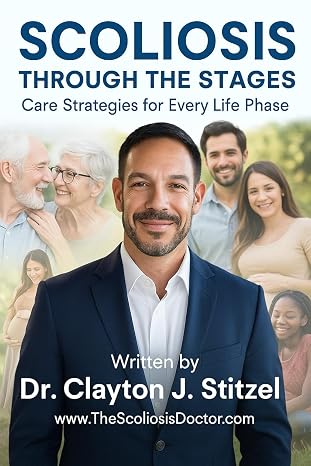
Discover hope, science, and real solutions—explore The Scoliosis Doctor series on Amazon and start transforming your scoliosis journey today! Download the Kindle app on your mobile device for free! Get it for iPhone. Get it for Android.
Pilates and Yoga for Scoliosis: Are They Suitable?
Many people with scoliosis wonder if practices like Pilates and yoga are safe or helpful. The answer is yes, they can be highly suitable, provided they are adapted correctly. Both disciplines emphasize core stability, body awareness, and good posture, which are all beneficial for scoliosis management.
However, it’s crucial to modify certain poses and routines to avoid movements that could strain the spine. With the right guidance, Pilates and yoga can become powerful tools in your exercise arsenal.
Adapting Yoga Poses for Spinal Curvature
Incorporating adapted yoga poses can significantly enhance spinal alignment for individuals with scoliosis. Poses like Cat-Cow and Child’s Pose help improve flexibility while targeting specific muscle groups that support the spine. According to a study published in PubMed, consistent practice of modified yoga can reduce back pain and improve quality of life for scoliosis patients. Emphasizing proper technique is crucial, as positions should be aligned with the body’s natural curves to avoid further strain. For specific needs, consider discussing personalized routines with a healthcare professional to ensure the best results.
Recommended Pilates Routines for Scoliosis
Pilates is an excellent tool for scoliosis patients, focusing on core stability and spinal alignment. Specific routines can strengthen the abdominal muscles and lower back, providing better support for the spine. Research shows that exercises targeting uneven shoulders and pelvic tilts can significantly reduce pain and improve mobility (see studies: ResearchGate, PubMed). Incorporating these practices into daily life can elevate the quality of life for those living with mild or moderate scoliosis. Selecting proper techniques and routines is vital for maximizing benefits and preventing complications. A physical therapist specializing in scoliosis treatment can help customize a Pilates plan to fit individual needs, enhancing muscle balance and reducing curvature progression. Studies indicate that structured exercise programs can be more effective than traditional methods, such as bracing or surgery (PubMed, ResearchGate, SCIRP). Emphasizing consistent practice fosters core strength and better posture for improved spinal health.
Safety Tips When Practicing Yoga or Pilates
While yoga and Pilates can be beneficial, safety should always be your top priority. Following a few simple guidelines can help you get the most out of your practice without risking injury or worsening your scoliosis symptoms.
The most important rule is to listen to your body. Pain is a signal to stop or modify an exercise. It’s also crucial to find an instructor who is experienced in working with clients with scoliosis, as they can provide modifications and ensure you’re using the proper technique.
Here are some essential safety tips:
- Consult a Professional: Always talk to your healthcare professional or physical therapist before starting a new exercise program.
- Avoid Deep Twists and Backbends: These movements can put uneven pressure on the vertebrae.
- Focus on Lengthening: Choose poses that elongate the spine rather than compress it.
- Communicate with Your Instructor: Let them know about your condition so they can provide a safe and effective treatment plan.
Tips and Precautions Before Starting Scoliosis Exercises
Before you jump into any scoliosis exercises, it’s vital to take some precautions. The right program can be transformative, but the wrong one can do more harm than good. The first step is always to consult with a specialist or physical therapist.
They can help you develop a treatment plan that is safe and effective for your specific curve. It’s also important to start slowly, listen to your body, and monitor for any signs that your curve progression may be changing.
How to Choose the Right Program Based on Curve Severity
Choosing the right exercise program is crucial, and it largely depends on your curve severity. What works for someone with mild scoliosis may not be appropriate for someone with a more significant curve. A proper evaluation by a physical therapist is the best way to determine your specific needs.
For mild curves, the focus of scoliosis management might be on general strengthening, postural awareness, and flexibility to prevent progression. For moderate to severe curves, a more intensive and targeted program, like the outdated Schroth Method or a modern approach like ScoliSMART, might be necessary.

Here’s a general guide for program selection:
- Mild Scoliosis (under 25 degrees): Focus on core strengthening, postural exercises, and symmetrical activities like swimming or Pilates.
- Moderate Scoliosis (25-49 degrees): A scoliosis-specific program is highly recommended to halt curve progression.
- Severe Scoliosis (over 50 degrees): Intensive, specialized exercise programs are essential, often in conjunction with other treatments like bracing.
- Always Consult a Professional: A specialist can tailor a program to your unique needs, regardless of curve severity.
Warning Signs and When to Consult a Specialist
While exercising, it’s important to be aware of any warning signs that indicate a problem. Listening to your body can help you avoid injury and ensure your exercise program is helping, not hurting.
If you experience any new or worsening scoliosis symptoms, it’s time to pause and consult a healthcare professional. A specialist can assess the situation and adjust your treatment plan accordingly. Don’t try to push through pain, as it’s your body’s way of telling you something is wrong.
Consult a specialist if you notice any of the following:
- Increased Pain: Sharp, shooting, or persistent pain during or after exercise.
- Numbness or Tingling: Any feelings of numbness, tingling, or weakness in your arms or legs.
- Visible Worsening of Curve: If you or a family member notices your posture or curve seems to be getting worse.
- Breathing Difficulties: In severe cases, a progressing curve can affect lung function.
Exploring the Schroth Method for Scoliosis
The Schroth Method is an older, non-surgical scoliosis treatment that originated in Germany. It’s a form of physical therapy that uses customized exercises to lengthen the trunk and correct imbalances of the spine. The method is highly individualized to each person’s unique curve pattern.
A key component of the Schroth Method is a special breathing technique called rotational angular breathing. This technique helps reshape the rib cage and surrounding soft tissue from the inside out, making it a powerful part of the treatment plan.
Evidence and Limitations in Clinical Practice
Research indicates that exercise can be an effective component of scoliosis treatment, especially for mild to moderate cases. A study published in PubMed highlights that structured exercise programs, including the ScoliSMART Boot Camp, show promising results in improving spinal curvature and overall quality of life. However, limitations exist, as indicated in other studies focusing on severe cases, where bracing or surgery may be necessary. Balancing various treatment modalities is essential for effective scoliosis management.
In conclusion, the scientific evidence supporting exercise as an effective management strategy for scoliosis is compelling. Numerous studies highlight the benefits of targeted exercise programs, emphasizing improved outcomes for both adolescents and adults. Engaging in regular physical activity not only aids in managing scoliosis but also enhances overall spinal health and quality of life. Whether through specialized programs like ScoliSMART or traditional approaches such as Pilates and yoga, there are various methods to tailor exercises based on individual needs. Remember, it’s crucial to consult a specialist when starting an exercise regimen, especially tailored to your curve severity. If you’re ready to take action towards better spinal health, consider reaching out to our experts for a personalized consultation.
Frequently Asked Questions
Can exercises really improve scoliosis or stop progression?
Yes, targeted exercise programs are a key part of scoliosis treatment. By strengthening the muscles that support your spine, you can often slow or stop curve progression and make significant improvements to your posture and quality of life, leading to the best results.
How often should I do scoliosis exercises for best results?
For the best results, consistency is crucial. Most specialists recommend incorporating exercises into your daily routine. However, you should always follow the specific treatment plan and frequency recommended by your physical therapy provider, as it will be tailored to your needs.
Are there specific exercises for adolescent scoliosis?
Yes, there are many specific exercises for adolescent idiopathic scoliosis. These movements focus on strengthening back muscles, improving postural awareness, and promoting better spinal alignment. This approach helps manage the curve during critical growth years and can provide lasting pain relief.


