

What health problems can occur with scoliosis?
Scoliosis complications can lead to various health issues, including chronic back pain, reduced lung capacity, and impaired mobility. Severe cases may cause cardiovascular problems and affect posture. Early detection and intervention are crucial to managing these complications effectively, helping patients maintain a better quality of life as they age.
- Scoliosis is when the spine curve curves sideways. About 2% to 3% of Americans have it, which means 6 million to 9 million people. It can happen at any age. However, it is most common in teens between 10 and 15 years old. In adults, the spine curve can cause more pronounced symptoms, such as chronic pain, stiffness, and reduced mobility, often due to age-related degeneration or progression of the condition over time. In contrast, children and teens may show few or no symptoms and usually experience less discomfort as the spine curve develops.
- It can happen at any age. However, it is most common in teens between 10 and 15 years old.
- Symptoms can include back pain, uneven shoulders, and a visible curve in the back.
- A physical exam and imaging tests like X-rays, CT scans, or MRIs can help diagnose scoliosis.
- There are several ways to treat scoliosis. These include using braces, physical therapy, or sometimes surgery.
- If scoliosis goes untreated, it can cause issues like ongoing low back pain, breathing problems, and low self-esteem.

Scoliosis is when the spine, your backbone, bends sideways more than normal. Anyone can get it, but it is most often noticed in teens between 10 and 15 years old. This condition can make life difficult. It can bring pain and change how a person stands. If a person does not get treatment, it can lead to bigger problems. Scoliosis might run in families, suggesting it can be genetic. It is also seen in people with conditions like muscular dystrophy and cerebral palsy. It is very important to find and treat scoliosis early, especially for those with other health issues. Regular check-ups and being aware of the signs can help catch it early so a person can get good treatment. If left untreated, spinal curvature can lead to serious problems.
In this blog, we will explore the different parts of this issue. First, we will understand what scoliosis is. Next, we will visit how it is diagnosed and treated. We will also discuss problems like spinal deformity that can occur if scoliosis is left untreated. There have been improvements in scoliosis surgery that make it safer and more effective. By learning about this condition and its risks, you can take steps to manage it well and lessen its impact on your life.
Understanding Scoliosis
When the spine bends to the side, the curve can be small or big. It is sorted into types based on what caused it. The most common type is called idiopathic, meaning there is no known cause. Other types are congenital, which are there from birth, and neuromuscular, which happens because of problems with the nerves or muscles.
The curve of scoliosis is measured in degrees. Mild scoliosis is from 10 to 24 degrees. Moderate scoliosis ranges from 25 to 39 degrees. Severe scoliosis is 50 degrees or higher. The seriousness of the degree of the curve can affect treatment options and may lead to potential scoliosis complications related to the condition.
The problem starts when the spine bends to the side instead of straight from front to back. This side bending can create a “C” or “S” shape. It is called scoliosis. This condition can impact daily life. It can cause discomfort, issues with posture, and even long-term health problems. The curve can vary in size from mild to severe. Mild cases might not show many signs. On the other hand, severe cases can lead to changes in body shape and make movement hard.
How scoliosis affects daily life depends on several things. These include the severity of the curve, the age when a person is diagnosed, and how well treatment helps. Living with scoliosis means needing regular care to reduce health effects. Early detection, a correct diagnosis, and proper treatment can help manage issues. This way, people can lead a good life with a strong and healthy spine.
Risk factors for scoliosis can include several things. These factors are neuromuscular conditions, like cerebral palsy and muscular dystrophy. Other important factors are problems with the spine at birth and family history. People can also get degenerative scoliosis due to changes in the spine over time. Adolescents often deal with idiopathic scoliosis, which tends to affect girls more, increasing their risk of the curve worsening and making their condition likely to get worse. It is vital to find these risk factors early. Early detection can help with fast treatment and managing scoliosis to lessen problems in the future.
Scoliosis is something we cannot always stop. This is because we do not completely understand why it occurs. Still, if we find it early through routine scoliosis screening and regular check-ups, we can manage it better. Doing physical activities and having good posture may help keep your spine healthy. Although these actions may not stop scoliosis, they can help improve spinal health. If caught early, they could also lessen how serious the condition becomes.
The problem is common and affects about 6 to 9 million people in America. It can happen at any age, but it is most common in teens who are 10 to 15 years old. Both boys and girls can have it, but girls often need treatment more. The cause is usually not clear, but it might be linked to genetics and other risk factors. Studies show that it often runs in families. About 30% of people have a family member with the same condition. The rates change with different age groups. There is a table below that shows this in the United States. It’s important to know how common it is, who it affects, and its risk factors to stay aware of this condition and its potential scoliosis complications.
| Age Group | Prevalence |
| Adolescents (10–18 years) | 2%–3% |
| Adults (19–64 years) | 0.5%–1% |
| Older Adults (65 and older) | 0.5%–1% |
Understanding how often this condition happens and who it affects can help healthcare providers. It can also help people see why finding and treating it early is important. This way, we can stop scoliosis complications and achieve better outcomes for those affected.

Identifying the Symptoms
Recognizing the signs of scoliosis early is important to get help when you need it. Some people may not have symptoms at all. Others might have clear signs. Pay attention to:
Uneven shoulders
Uneven waist
One large shoulder blade
Ribs stick out on one side
One hip higher
Severe scoliosis can cause back pain, stiffness, leg numbness, and fatigue. If you notice these symptoms early, it can help you receive the right treatment.
Early signs of scoliosis can be tough to spot. Watch for changes in posture or how the body lines up. Signs of scoliosis may include:
- Shoulders are at different heights
- Waist leans to one side
- One shoulder blade sticks out more than the other
- Ribs stick out more on one side
- A difference in hip or leg height
- If you notice these signs, it is important to get medical help. A checkup can find problems early. This can help prevent scoliosis complications and development.
If your symptoms become worse or you have new problems, visit a doctor immediately. Keep an eye on:
- Severe back pain or numbness
- Trouble breathing because of a bent upper spine
- Symptoms that get worse over time
- Changes in how the body is aligned
- A doctor will evaluate the symptoms and suggest treatment. It’s important to act fast to address the issue and avoid more problems. Getting medical help quickly can improve back pain and enhance your quality of life.

Click on the Scoli-Fact to find more facts about scoliosis!
Scoliosis Diagnosis and Screening
Diagnosis involves physical exams and imaging tests. A healthcare provider, including a school nurse, checks the curve of the spine, posture, and any problems present. Imaging methods, like X-rays, provide clear images of the spine. These images help assess how serious the issue is. This process confirms the issue, measures the curve, and guides treatment options. Early diagnosis is key for effective treatment. It helps avoid future problems, especially in detecting deformities or imbalances in the rib cage or back. Regular check-ups during the teenage years assist in spotting issues early and taking quick action.
Physical check-ups are important to find and address health problems. A healthcare provider will examine the patient’s spine, posture, and muscles during the check-up. They will also check muscle strength, reflexes, and the way the body moves.
These exams show how serious the problem is when choosing treatment. For instance, therapy might be suggested to build up back muscles and gain more flexibility. Therapy can also help lessen pain and correct posture.
- Regular check-ups help doctors create treatment plans that fit you.
- They also support your health.
- These exams are key for good treatment.
- They help keep your spine healthy and working properly.
Advanced scans, such as MRI and CT, are very important for finding problems accurately. They give clear pictures of the spine. This helps doctors see how serious the curve is. MRIs are great for checking soft tissues, like the spinal cord. CT scans focus more on the bones. These scans show special details that help build good treatment plans. This can lead to better results for patients.
Exploring Treatment Options for Spinal Deformities
Scoliosis treatment depends on how serious the problem is and what each person needs. There are some non-surgical options available. These include back braces that support the spine and working with a physical therapist. Physical therapy can help improve posture, make muscles stronger, and ease pain. Sometimes, scoliosis boot camps with exercise and daily tips are suggested.
If the scoliosis is serious or these options do not work, surgery might be needed. This can involve surgical fusion or using rods to correct the curve and stabilize the spine and pelvis. Thanks to new surgical methods and computer technology, there are now less invasive treatments available. This means recovery time is faster.
Non-Surgical Approaches: Bracing and Physical Therapy
Non-surgical treatments are usually used first for mild to moderate scoliosis. A back brace can support the spine, which helps keep it straight. It can also stop new curves from forming. A person should wear the brace for several hours each day. This depends on their needs and the size of the curve.
Exercises are very important in non-surgical care. They can help make muscles stronger, improve how you stand, and increase how flexible you are. Therapists create special exercise plans for people who have back pain.
Non-surgical methods work well for mild cases. They help prevent further issues from occurring. These methods also support a healthy spine. They can lessen pain and boost function, improving overall quality of life.
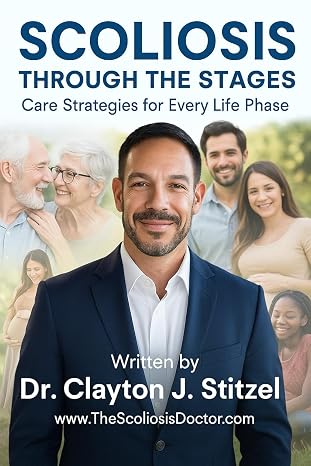
Discover hope, science, and real solutions—explore The Scoliosis Doctor series on Amazon and start transforming your scoliosis journey today! Download the Kindle app on your mobile device for free! Get it for iPhone. Get it for Android.
Scoliosis Boot Camp
The Scoliosis Boot Camp program helps people feel good and live an improved life. These camps focus on workouts that strengthen muscles, improve posture, and boost flexibility. The exercises are tailored to each person’s needs and the size of their curve. They include stretches, strength exercises, and conditioning to help in daily life.
Attending a Scoliosis Boot Camp helps people learn to better manage their condition. It helps them feel healthier and reduces the impact of scoliosis on their daily lives. In these programs, participants get support from others facing similar challenges. They also receive advice from health experts who focus on managing scoliosis.
Spinal fusion surgery is done when the curve in the spine is very serious and other treatments have failed. The main goals of this surgery are to fix the curve, make the spine stable, and address issues related to skeletal maturity to stop further problems from happening.
Spinal fusion is a common surgery. In this surgery, doctors connect bones to prevent the spine from getting worse. Newer methods are less invasive. They help lower risks and make recovery time shorter.
Choosing to have surgery depends on how big the curve is, how it impacts your daily life, and the risks and benefits involved. It is important to talk to your healthcare provider to better understand the procedure.
Comprehensive Guide to Scoliosis Surgery Risks
Navigating scoliosis surgery means understanding the possible risks, including potential complications. These risks include infections, nerve damage, and blood clots. The surgery can result in spinal fusion or the use of metal rods for support. A usual procedure is called posterior fusion with pedicle screws. Sometimes, blood transfusions are necessary, which can affect a patient’s hospital stay. Skilled surgical teams manage any possible scoliosis complications. It is important for patients to know these risks so they can make smart choices about their treatment plans.
Scoliosis is a complex condition with several types based on their cause and features. The most common type is idiopathic scoliosis. This type often shows up in young people, and the cause is usually unknown. Congenital scoliosis is present from birth. It happens because of problems in how the spine develops. Neuromuscular scoliosis is related to conditions affecting the nerves or muscles that support the spine, like issues from cerebral palsy. Degenerative scoliosis, often observed in adulthood for individuals over 65, can be caused by conditions like spina bifida or spinal cord injuries. There is also a rare type called rotoscoliosis, where the spine rotates. Understanding these types, including degenerative scoliosis, is important for making good choices for treatment and management.
Idiopathic scoliosis, which accounts for the majority of cases, is the most common type of scoliosis. It makes up around 80% of all cases. This type usually appears in teenagers, and often, we don’t know the cause of scoliosis. Because of this, it is the hardest type of scoliosis to identify.
Congenital scoliosis happens at birth. It is caused by problems with the bones in the spine. Neuromuscular scoliosis is connected to issues with nerves or muscles, like in spina bifida.
It is important to know the different types of scoliosis. This way, people can get the right care they need.
Age-Specific Variations: Infantile, Juvenile, and Adolescent
The condition can occur in children at different ages. Infants are those under three years old. Juveniles are kids from four to ten years old, while adolescents are from eleven to eighteen years old. Each age group has its own causes and traits. It is essential to find and treat the curve as soon as possible because children’s spines are still growing. Regular check-ups during childhood and teenage years are important to manage the condition and stop issues from getting worse. Going to the doctor often can help discover the problem early and start treatment on time.

Highlighting Scoliosis Complications
Symptoms of scoliosis can lead to various health issues. The curve in the spine may put pressure on the lungs, making it hard to breathe. It can also cause problems with the heart due to compression in the chest, which affects how the heart works. Scoliosis can result in arthritis and complications of scoliosis, causing long-term pain and changes in the body. A severe spinal curve can reduce space in the chest, which makes it difficult for the lungs to function properly. Knowing about these risks shows why early detection, regular check-ups, and proper management are very important.
Scoliosis can lead to breathing and heart problems, especially in severe cases. A curved spine can push against the chest. This makes it hard for the lungs to expand fully. A person may feel short of breath and have a smaller lung capacity. It can also put pressure on the heart, which may cause heart issues and complications like pneumonia. It is important to watch the health of the lungs and heart in children. Early detection of any problems is key. Regular check-ups at the doctor for lung and heart health can help manage risks and stop further issues.
Impact on Mental Health and Quality of Life
Cases of scoliosis can affect mental health and self-esteem, as well as daily life. A curved spine may cause worries about body image and lead to low confidence. People with scoliosis might struggle to take part in sports and complete certain tasks. This can lower their quality of life. It is important to support their emotional well-being with counseling and support groups. Resources such as therapy and education can help them face challenges and boost their mental health.

How do scoliosis complications impact a person’s daily life?
The curve in the spine can change daily life. It may cause pain, discomfort, and trouble moving around. In severe cases, it can even lead to breathing issues. Scoliosis can also affect posture and how a person feels about themselves. These changes can reduce the quality of life. That’s why it is important to have regular check-ups with healthcare professionals. This helps in managing any problems that come up.
Preventive steps and lifestyle changes are crucial for managing spinal curvature and reducing its effects. Early detection is key to treating scoliosis effectively. Regular check-ups help identify issues early. Exercise, therapy, back braces, maintaining a healthy weight, and good posture can prevent severe scoliosis and improve overall health.
Support groups and community resources provide essential support for individuals and families affected by scoliosis. These groups offer a safe space for sharing experiences and practical advice, fostering a sense of belonging among members. Community resources offer educational materials, workshops, and access to specialized medical professionals to enhance knowledge and support networks for better outcomes.
Conclusion
In summary, it is important to understand the problems that come with idiopathic scoliosis. Knowing about these issues helps find problems early. Recognizing signs and learning about treatments can improve quality of life. Regular check-ups, healthy lifestyle changes, and getting medical help are key to managing breathing, heart risks, and mental health effects linked to idiopathic scoliosis. By taking action and making smart choices, patients can feel better and stay positive. Always remember that having good information is essential for facing challenges.


