

Key Highlights
Here’s what you need to know about adult scoliosis if you are over 40:
- Adult scoliosis can start from a condition in childhood or from new degenerative changes as you get older.
- The most common symptoms of scoliosis are back pain, changes in the way you stand, and leg pain.
- Scoliosis treatment can be simple routines or may involve surgical treatment. It depends on how bad the curve is.
- The ScoliSMART approach gives non-surgical choices like the ScoliSMART Activity Suit and Scoliosis Boot Camp.
- A good plan for your scoliosis can help make your quality of life much better.
- A lot of adults feel better and can get relief from symptoms of scoliosis with these treatments and do not need scoliosis surgery.

Introduction
Many people think scoliosis only affects kids or teenagers. But it can also start or get worse after you are 40 years old. This condition makes the spine curve to the side. If it keeps going after your teen years, it is called adult idiopathic scoliosis. If it starts when you are older because of changes in your back, it is called degenerative scoliosis. Knowing what is happening to your body is important. It will help you look after your health and keep your quality of life.
Understanding Adult Scoliosis After 40
When you are over 40, adult scoliosis can bring new problems. There are two main types of adult scoliosis. These types are called adult idiopathic scoliosis and adult degenerative scoliosis. Adult idiopathic scoliosis means the spinal curvature began earlier in life and is still there. Adult degenerative scoliosis is a new problem. It happens because of wear and tear in the spinal discs and joints.
Adult treatment for this problem is different than treatment for younger people. The focus is not to stop the curve from getting worse when growing. The main goal for adults is to help with pain and keep you doing what you need to do. You should know what causes it. Watch for changes in your body.

What Causes Scoliosis to Develop or Progress Later in Life?
Scoliosis can get worse after you turn 40. For some people, it can even start for the first time after this age. A main reason for this is adult degenerative scoliosis. This happens because the spine gets worn down over time. As you get older, the discs between your vertebrae can dry out. They might also get weak or fall flat. This can make the spine move and form a curve.
Things like osteoarthritis can also add to the problem. Osteoarthritis can cause changes in the facet joints of your spine. All of these things can lead to degenerative scoliosis.
For some people, the real problem is adult idiopathic scoliosis. If you had a small curve in your back when you were a teen, and it was not diagnosed or not treated, it can get worse as you get older. Curves that are over 50 degrees can get even worse as time goes on.
Your medical history can help to see why these changes happen. The degenerative changes to the spine can change how your spine lines up. This often leads to pain and other signs. Because of this, it is common for people to get scoliosis for the first time later in life.
How Common Is Adult Scoliosis in the United States?
Many people do not know how common adult scoliosis is in the United States. A lot of people think this happens only in younger people, but there are many adults that have it too. The chance to get it goes up as people get older. A big reason is adult degenerative scoliosis. This type of scoliosis starts when the back begins to wear down with age.
Adult idiopathic scoliosis is the kind of spinal curvature that starts when you are young and then goes on as you get older. There are different numbers in each study, but many show that a lot of adults have some form of this spinal curvature. For many people, idiopathic scoliosis is found for the first time after they turn 40.
This condition happens more often than many people think. It affects millions of adults in the country. When you know about the two main types, you can see how common it is.
| Type of Adult Scoliosis | Description |
| Adult Idiopathic Scoliosis | A spinal curve that began in adolescence and has progressed into adulthood. |
| Adult Degenerative Scoliosis | A new curve that develops in adults due to age-related changes like disc degeneration or arthritis. |
Key Symptoms of Scoliosis in Adults Over 40
Adult scoliosis symptoms differ from those in teens. Most adults first notice persistent lower back pain, sometimes radiating to the legs if nerves are affected. Gradual height loss can also occur. Recognizing symptoms like back pain, leg pain, and loss of height helps you seek help sooner.
During a physical exam, doctors may find uneven shoulders or hips, one shoulder blade sticking out more, or a bulge along the spine. You might also notice your rib cage shifting to one side, changes in posture, or clothes fitting unevenly.
Pain and stiffness are common and can disrupt daily life—walking or standing for long periods may become difficult. Nerve pressure from spinal curvature can cause cramping, numbness, weakness in the legs, or muscle fatigue.
Managing adult scoliosis often requires multiple approaches to relieve pain and improve mobility. Early recognition of these signs is key to getting effective care.

Treatment Options for Scoliosis After Age 40
If you need scoliosis treatment after 40, there is good news. Surgery is often a last choice. Most adults get significant pain relief with conservative treatments. These focus on easing symptoms, working on core muscles, and making your body move better. Some options are physical therapy, pain medication, and special exercises.
However, if you do not get relief from conservative approaches or if the curve is bad and gets worse, you may need to look at surgical treatment. It is a good idea to check out new, non-surgical ways like the ScoliSMART approach first.
Exploring the ScoliSMART Approach and the ScoliSMART Activity Suit
The ScoliSMART approach is a treatment program that does not use surgery. It is made to work on the root cause of scoliosis. Instead of watching the curve or turning to surgical treatment, this approach uses special exercises with different therapies. These help to train your brain and muscles in a new way. The aim is to make curve correction happen and give lasting pain relief by helping your body remember better ways to stand and move.
A big part of this way is the ScoliSMART Activity Suit. This is not like a stiff brace for scoliosis. It is a soft suit that you put on when you do certain moves or exercises. The suit gives your body a small push or pull. This helps wake up and make the muscles around your back strong. It helps your back stay straighter and can make the curve less.
This mix of targeted physical therapy and new tools like the Activity Suit can work very well for adults. It helps to lower pain, helps with better posture, and can make your overall quality of life better. The best part is, you do not need any invasive procedures to see results.

Adult Scoliosis Boot Camp: What Is It and How Does It Work?
The ScoliSMART Adult Scoliosis Boot Camp gives you a quick and intensive way to get help for adult scoliosis. You do not have to wait months between appointments. The boot camp is a focused program that takes place over several days. You get all your therapy in a short time. This helps you start your treatment sooner and can help you see changes more quickly. A multidisciplinary team works with you at the scoliosis boot camp. They create a treatment plan just for you that fits the curve of your spine and your symptoms.
During the Scoliosis Boot Camp, you will learn special exercises and use tools like the ScoliSMART Activity Suit. This program can help lower your spinal curve, cut down your pain, and make your overall quality of life better. The goal is to help you get the skills you need to handle your scoliosis at home. Many people use less pain medication or even stop using it after this.

Benefits of the ScoliSMART Adult Scoliosis Boot Camp Program
Taking part in the ScoliSMART Adult Scoliosis Boot Camp can give you many good things if you are an adult with scoliosis and want a non-surgical option. The program moves fast and helps you feel better in less time. A lot of people feel significant pain relief soon after starting. Expert trainers will be with you to show you the right way to do physical therapy made for adult scoliosis. This scoliosis boot camp can help you get pain relief and know what works best for you.
The main purpose is to help you get a better quality of life with less pain. The program works to retrain how your body moves and stands. This can help you feel good for a long time. You will be able to keep up this progress at home, too. Many people say they feel better. They also notice some changes in their back and how they hold themselves.
Here are some key benefits you can expect:
- There is a big drop in back and leg pain.
- Posture gets better, and the spine lines up as it should.
- Muscle strength and how far you can move both get better.
- A home exercise program is made for you, so you can keep doing well.
Success stories about treating adult scoliosis without surgery are not rare; they are actually common if you take the right steps. A lot of adults who believed surgery was their only choice have now found real help with conservative treatments. The ScoliSMART approach has helped many people feel better, take charge of their lives, and improve their health.
Many patients who finish the Adult Scoliosis Boot Camp share strong stories about how it helped them. They talk about getting back to things they enjoy, like hiking or golfing. Some feel happy just playing with their grandchildren again without feeling pain. These real results show how the adult scoliosis boot camp and its scoliosis treatment can work for different people.
By working to retrain the body and brain, this program helps lift the overall quality of life. If you want to see videos and read what other people say about how they changed their lives using this program, you can visit.

Lifestyle Adjustments for Better Scoliosis Management
Taking care of scoliosis after you turn 40 is not only about medical treatment. It’s also about making smart choices in your daily activities. By making some easy changes, you can help lower pain and stop your spine curve from getting worse. These changes include watching what you eat, adding some the right exercises, and paying attention to how you sit or stand in your day.
Building strong support systems is very important. You need to have the right people and tools with you. This can help you feel strong enough to handle your condition. The things you do every day and the people you talk to matter a lot. Every choice you make helps you manage scoliosis in a better way.
Taking care of a healthy spine is not just about getting special treatments. What you do each day matters a lot. The food you eat and how much you move are both very important. A good diet filled with anti-inflammatory foods can help with pain. You should also drink plenty of water, since this helps keep your spinal discs in good shape.
The right kind of exercise is very important. General physical therapy can be good. But exercises made for scoliosis work better. These exercises help to make your core stronger. They can also help you move better and give more support for your spine. Try to not do things that have a lot of heavy impact or twist your body in an uneven way. These activities could make your symptoms worse.
Here are some simple tips you can use each day for pain relief and to help your spine feel better:
- Do core-strengthening exercise. You can try the ones from the ScoliSMART program.
- Always practice good posture. Do this when you sit, stand, and lift things.
- Keep a healthy weight. It can help lower the stress on your spine.
- Add some gentle stretching to your day. This helps you get more flexible and cuts down on stiffness.
Dealing with spinal conditions like scoliosis is easier when you can count on a strong support system. The help of a multidisciplinary team is important. These healthcare professionals work together to understand what you need. An orthopedic surgeon or a scoliosis surgeon can help to find out what is wrong. A team that focuses on non-surgical care can also give you more choices for treatment.
It is important to find reliable information. A good place to get help is the book “Scoliosis Through The Stages: Care Strategies for Every Life Phase” by Dr. Clayton J. Stitzel. This book gives you easy steps and advice on how to handle scoliosis at each age. It helps you feel ready and gives you the knowledge you need to make smart choices about your health.
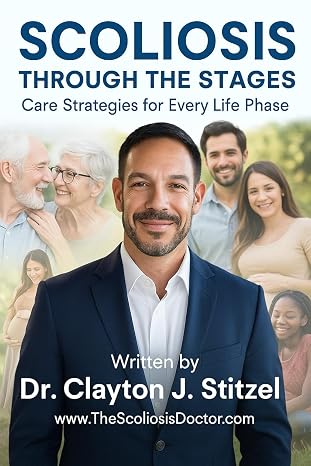
Discover hope, science, and real solutions—explore The Scoliosis Doctor series on Amazon and start transforming your scoliosis journey today! Download the Kindle app on your mobile device for free! Get it for iPhone. Get it for Android.
Building your support network can include:
- Get in touch with experts who work with non-surgical scoliosis treatment.
- Be part of online or local support groups where you can talk about your thoughts and learn from others.
- Learn more by using trusted tools like Dr. Stitzel’s book.
Conclusion
To sum up, knowing how to manage scoliosis after you turn 40 is important for living well. When you have the right information about adult scoliosis, such as what symptoms to look for, how you can treat it, and which changes to make in your daily life, you will find it easier to handle this condition. Using tips found in “Scoliosis Through The Stages: Care Strategies for Every Life Phase” by Clayton J. Stitzel can help you understand what works best for you. You might also want to check out programs like the ScoliSMART Adult Scoliosis Boot Camp for more help made just for adults. For more info and to read about people who tried the program, you can visit ScoliSMART Boot Camp. Taking care of your spine health is one of the most important things you can do to feel well.

Frequently Asked Questions
Can scoliosis get worse after age 40?
Yes, scoliosis can get worse after you turn 40. This can take place with adult idiopathic scoliosis, and it happens more often if the curve in your back is big. A lot of people also get degenerative scoliosis when they get older, and this is caused by degenerative changes in the spine that come with age. Your medical history and how serious your curve is will also play a part in how much your scoliosis gets worse.
Are there non-surgical ways to manage scoliosis pain in adults?
Yes, many adults get pain relief with conservative treatments. Some of these are special physical therapy, scoliosis exercises, steroid injections, and at times pain medication. Non-surgical methods are often the first and best way to help with symptoms and help people feel better in their daily lives.
How effective is the ScoliSMART approach for adult scoliosis?
The ScoliSMART approach works well for many adults. It helps train the brain and muscles. This way, it can reduce the spinal curve. The focus is not only on the symptoms. Many people feel significant pain relief. Their posture gets better. They enjoy a better quality of life. They do not need surgery to get these results. The curve correction can last for a long time.


