

Key Highlights
- Scoliosis is a spinal condition characterized by an abnormal sideways curvature, often appearing as an “S” or “C” shape.
- The spine human skeleton, a complex structure of bones, discs, nerves, and muscles, plays a critical role in supporting the body, allowing for movement, and protecting the spinal cord.
- Scoliosis can affect individuals of all ages, from infancy to adulthood, with various causes and contributing factors.
- Treatment options for scoliosis range from observation and bracing to Scoliosis Boot camp and, in more severe cases, surgical intervention.
- Understanding scoliosis, seeking early diagnosis, and exploring appropriate treatment options can help individuals manage the condition and maintain a good quality of life.
Introduction to Human Skeleton Spine
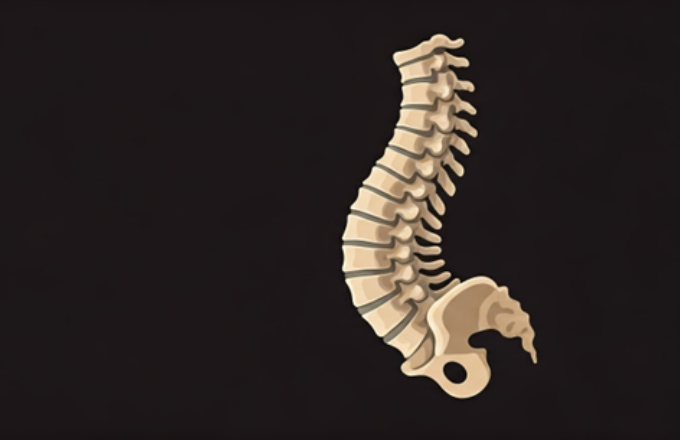
The spine human skeleton, called the spinal column or vertebral column, is an amazing structure that supports the entire body. An adult spine gives the body support, allows movement, and protects the spinal cord and sensitive nerves. A healthy spine has natural lumbar curves. These curves help with strength and weight distribution. Sadly, issues like scoliosis can cause the spine to go out of line and affect how it works. This blog post will look into scoliosis in detail. We will discuss what causes it, its symptoms, and the treatment options that are available.
Understanding Scoliosis and Its Impact on the Spine Human Skeleton
Scoliosis is a condition that changes how the spine looks and sits. Rather than being straight, the spine of someone with scoliosis bends in an unusual way, often looking like an “S” or “C” shape from the back, altering the natural lordotic curve. This bend can lead to different problems, affecting how a person stands and moves.
What is Scoliosis?
Scoliosis is a condition where the spine curves sideways. This is different from a healthy spine, which has gentle curves when seen from the side. In scoliosis, the curve bends to the side, and the amount of curvature can be mild to severe.
Scoliosis can also cause the individual bones in the spine to rotate. This rotation might make one side of the rib cage stick out more than the other, leading to an uneven look in the back or chest. Additionally, imbalances due to scoliosis can affect muscles such as the levator scapulae and latissimus dorsi, which play a role in raising and lowering the shoulder blade. Scoliosis can affect any part of the spine but is most often seen in the thoracic spine (mid-back) or lumbar spine (lower back).
The Prevalence of Scoliosis in the United States
Scoliosis is a common spinal issue that affects many people in the United States. It is hard to tell exactly how many have it, as it depends on how serious the curve is. Many individuals in the U.S. have some form of scoliosis.
People of all ages can have this condition, from kids to adults. Most cases are found in teens, during a time of fast growth, and are called adolescent idiopathic scoliosis. Some people with scoliosis may have back pain, but many feel no major discomfort. Often, the curve in their spine goes unnoticed until they are adults.
Anatomy of the Human Spine
To understand how scoliosis affects us, we need to know about the structure of the spine human skeleton. Our spine is a strong and flexible column made up of individual small bones known as vertebrae, along with many small muscles that aid in mobility. These vertebrae are stacked on top of each other and are separated by discs. These discs help protect the spinal cord and support the body.

The Components of the Spine
The spine is a complicated structure made of many parts. Each part has a key job in how the spine works. The cervical spine vertebrae, from C1 to C7, make up the neck and help us move our heads in many ways. The cervical vertebrae also support the weight of the head, which is about 10 pounds. In the mid-back are the thoracic vertebrae, from T1 to T12. They connect to the rib cage and help protect important organs. The lumbar vertebrae, L1 to L5, are the biggest and strongest. They support the weight of the upper body, bear the stress of lifting effectively, and support the weight of the body effectively.
The sacral vertebrae, from S1 to S5, are fused into one piece called the vertebrae of the sacrum. This connects the spine to the pelvis and hip bones, forming part of the pelvic girdle. Between the cervical, thoracic, and lumbar vertebrae are intervertebral discs made of connective tissue. These discs act as shock absorbers and help the spine remain flexible. The vertebral bodies, which are the main bony parts of each vertebra, link together with ligaments and muscles. This setup offers stability and aids in movement.
How Scoliosis Affects Spinal Anatomy
Scoliosis affects how the spine is aligned and works. It can cause several changes in structure. The sideways curve puts weight unevenly on the vertebral column. This creates extra pressure on the vertebrae, discs, and nearby muscles. As the curve gets worse, it can make the vertebrae twist. This twisting leads to the rib hump or uneven hips that many with scoliosis have.
This misalignment can squeeze the spinal canal, which protects the spinal cord. This may result in spinal stenosis, a problem that can put pressure on the spinal cord and nerves. Moreover, scoliosis can make it hard for the rib cage to work properly. This can make breathing difficult, especially in serious cases.

Causes and Risk Factors of Scoliosis
The exact reasons for scoliosis are not always clear. However, many factors can play a part in its development. Finding out the main cause is important for planning treatment and care. Here, we will look at some of the most common causes and risk factors related to scoliosis.
Genetic Factors
Genetics are important in certain types of scoliosis. Family traits can cause the spine to grow differently. If a parent, sibling, or close relative has scoliosis, there is a higher chance of other family members also having it.
Experts think that several genes may play a part in this family link to scoliosis. Finding these genes might help us understand the condition better. It could also open up new ways for testing and treating scoliosis in the future.
Environmental Triggers
Genetics are important, but they are not the only cause of scoliosis. Other things in our environment and our way of life can also affect how scoliosis develops or gets worse. Although these factors may not directly cause scoliosis, they might trigger it in people who are already likely to get the condition due to their genes.
Some of these environmental risk factors are bad posture, stress on the spine from certain sports or activities, and not having enough nutrients. It’s good to remember that researchers are still studying these factors. We still do not fully understand how they connect to the development of scoliosis.

Click on the Scoli-Fact to see the rest of the Scoliosis Facts!
Types of Scoliosis and Their Characteristics
Scoliosis can appear in different ways. Knowing these differences helps us find the right treatment. Scoliosis is mainly classified into types based on what causes it or how old a person is when it starts. Let’s look at some common types of scoliosis.
Idiopathic Scoliosis
Idiopathic scoliosis is the most common kind of scoliosis. It makes up a large number of all cases. The term “idiopathic” means that the cause is not known. Adolescent idiopathic scoliosis usually starts during the teenage growth spurt.
We do not know the exact reason for this type of scoliosis, but researchers think that both genetics and the environment might be involved. Girls are diagnosed with idiopathic scoliosis more often than boys. The curve of the spine usually gets worse more quickly during times of fast growth.
Congenital Scoliosis
Congenital scoliosis is a rare type of scoliosis. It happens when there are birth defects that affect the spine. This is different from idiopathic scoliosis, which appears after birth. Congenital scoliosis is present from the very beginning. It is caused by issues that occur during fetal development. These problems can lead to one or more vertebrae forming incorrectly.
The severity of congenital scoliosis can be very different. It depends on how much the spine is misshaped. It is important to find and treat congenital scoliosis early. If not, the condition can get worse quickly as the child grows.
Neuromuscular Scoliosis
Neuromuscular scoliosis is a type of scoliosis that happens because of another condition affecting the nerves and muscles that help us move. These primary neuromuscular disorders can also hurt the muscles that support the spine. Some examples of these disorders are muscular dystrophy, cerebral palsy, and spina bifida. They can change how spinal muscles grow and work, leading to scoliosis.
Unlike idiopathic or congenital scoliosis, which mainly affects the spine itself, neuromuscular scoliosis often includes muscle weakness or paralysis. This weakness means the muscles that keep the spine aligned are not strong enough, causing the spine to bend over time.

Symptoms and Diagnosis of Scoliosis
Early detection of scoliosis is very important. It helps in getting the right care on time and avoids serious problems later on. Thankfully, this condition usually shows clear signs, which makes it easier to diagnose early. It’s essential to notice the symptoms and get medical help quickly for better management of scoliosis.
Recognizing the Signs of Scoliosis
The signs and symptoms of scoliosis can be different for each person. This depends on how severe the curve in the spine is. Often, scoliosis is first seen during check-ups by doctors or school nurses. This usually happens during teenage years when kids grow quickly.
Some visible signs of scoliosis are uneven shoulders and one shoulder blade sticking out more than the other. You might also notice an uneven waist, with one hip higher than the other. Another sign can be a rib hump, where one side of the rib cage comes out more than the other. Some people with scoliosis might feel back pain or discomfort, especially after sitting or standing for a long time. However, many people with mild scoliosis do not feel any pain.
Diagnostic Procedures for Scoliosis
Diagnosing scoliosis typically involves a combination of physical examination and imaging tests. During a physical exam, a doctor will observe the patient’s posture, looking for any visible signs of spinal curvature, such as uneven shoulders, a rib hump, or a tilted pelvis.
The doctor may also perform a scoliosis bend test, where the patient bends forward at the waist, allowing the doctor to check for any asymmetry in the back. In addition to the physical exam, imaging tests are essential for confirming the diagnosis and determining the severity of the curvature. X-rays are the most common imaging technique used to diagnose scoliosis. An X-ray provides a clear image of the bones in the spine, allowing doctors to measure the degree of curvature. Other imaging tests, such as magnetic resonance imaging (MRI), may be used to rule out other underlying conditions.
| Diagnostic Procedure | Description |
| Physical Examination | Visual assessment of posture, spinal alignment, and range of motion |
| Scoliosis Bend Test (Adam’s Forward Bend Test) | Examines spinal curvature when bending forward at the waist |
| X-ray | Provides images of the bones to measure the degree of curvature |
| Magnetic Resonance Imaging (MRI) | Detailed images of the spine, including bones, discs, and soft tissues |

Treatment Options for Scoliosis
Treatment for scoliosis changes based on how severe the curve is, the age of the person, and what causes the condition. The ways to treat scoliosis focus on stopping the curve from getting worse, relieving pain, and making life better.
Non-Surgical Interventions
Non-surgical treatments are usually the first choice for scoliosis. This is true, especially for mild to moderate curves in the spine. One common approach is bracing. This method includes wearing a specially-made back brace to help stop or slow down the curve. People usually wear this brace for several hours each day and often at night.
Physical therapy is very important in managing scoliosis. A physical therapist teaches exercises that strengthen the core, improve posture, increase flexibility, and ease pain. Keeping active and maintaining a healthy weight can also help keep the spine healthy.
Scoliosis Boot Camp
Scoliosis boot camp (see video) offers a comprehensive non-surgical approach for individuals seeking effective assistance with scoliosis. These specialized camps concentrate on a regimen of daily exercises, targeted stretches, and therapeutic interventions tailored specifically for scoliosis patients.
The primary objective of scoliosis boot camp is to reduce the spinal curve, enhance posture, strengthen back muscles, and enhance overall body mobility and function. Participants at these boot camps benefit from the expertise of a team of ScoliSMART doctors who collaborate to deliver optimal care and support throughout the program.
In addition to physical exercises, scoliosis boot camps may also incorporate nutritional guidance, psychological support, and educational resources to empower individuals in managing their condition effectively. By immersing oneself in a supportive environment with like-minded individuals and expert guidance, participants can work towards improving their spinal health and overall well-being.

Surgical Approaches
In serious cases of scoliosis, where the curve in the spine is big or getting worse quickly, surgery might be needed. The most common type of surgery for scoliosis is spinal fusion. In this surgery, the doctor straightens the curved spine and joins the nearby vertebrae together. They use bone grafts and tools like rods, screws, and hooks.
These tools keep the spine in the right place while the bone grafts grow together and form a strong bone mass. Sometimes, less invasive surgery methods are used. These methods involve smaller cuts and might lead to quicker recovery times. Doctors decide on surgery based on each person’s situation. They look at how bad the curve is, if it might get worse, the person’s age, and their overall health.
Living with Scoliosis: Management and Support
Living with scoliosis can be tough. However, by using the right management strategies and getting support, people can lead active and rewarding lives. Changing lifestyle habits and looking for medical and emotional help can really make a big difference.

Lifestyle Adjustments and Home Care
Making some changes to your lifestyle and taking care of your home can help manage scoliosis. It is important to know how to move your body properly, keep good posture, and lift things in a safe way. This helps protect your spine and reduce stress.
Doing regular scoliosis exercises that are easy on the body, like swimming, yoga, or Pilates, can make your back and core muscles stronger. These activities can also help you become more flexible and feel less low back pain by supporting other parts of the spine. Keeping a healthy weight is important too, because extra weight can put more pressure on your spine.
Support Groups and Resources
Living with scoliosis can be hard, both in body and mind. Finding people who understand what you’re going through can be a great way to get support and encouragement. Support groups give a safe place for people with scoliosis and their families. Here, they can share stories, share information, and find resources.
There are many online and in-person support groups where you can meet others facing the same issues. These groups often offer helpful materials about being a patient, ways to cope with scoliosis, and advice on getting through the healthcare system.
Conclusion
Understanding scoliosis is important for keeping a healthy spine. This condition can change how the spine sits and affect well-being. By noticing the signs and getting a proper diagnosis, people can manage scoliosis well. There are many options, both for non-surgical care and surgery, to treat this condition. Making changes in daily life, finding support from groups and resources, and staying updated can make life better for those with scoliosis. Early detection and the right care are very important for managing scoliosis effectively.
Frequently Asked Questions
What is the most common type of scoliosis?
The most common kind of scoliosis is called idiopathic scoliosis. This mainly happens in teenagers. It causes the spine to curve, but there is no known reason for it. However, genetic factors may play a role.
Can exercises prevent or treat scoliosis?
Exercises cannot fix scoliosis, but they can help. They can make muscles stronger, improve posture, and may slow down the curve from getting worse. This is especially true when combined with other treatments like physical therapy.


