

Key Highlights
- Targeted scoliosis exercises are essential for managing spinal curvature and reducing back pain.
- Strength training, especially for core muscles, provides vital support for a scoliotic spine.
- Engaging in the right physical activity can improve posture and overall quality of life.
- It is crucial to consult healthcare professionals before beginning any new exercise regimen.
- Comprehensive programs like a Scoliosis Boot Camp offer personalized plans for effective results.
- A combination of strengthening, stretching, and mobility work offers the best approach for back health.
Many people believe that a scoliosis diagnosis means the end of physical activity. However, the opposite is true. For scoliosis patients, the right exercises are a critical part of treatment. Engaging in a thoughtful fitness routine helps strengthen your back muscles, supports your spine, and promotes a healthy lifestyle. Instead of limiting you, a proper exercise plan can empower you to manage your condition effectively and live a full, active life. Are you ready to learn how exercise can transform your approach to scoliosis?

Understanding Scoliotic Spines and Exercise Basics
Scoliosis is more than just a curved spine; it involves complex changes to your back’s muscles and alignment. Understanding these changes is the first step toward using exercise to your advantage. For those with idiopathic scoliosis, a condition with no known cause, exercise can be a powerful tool to manage symptoms and improve spinal alignment.
A targeted exercise plan can help counteract the muscle imbalances caused by scoliosis. By focusing on specific movements, you can build strength where it’s needed most and increase flexibility to relieve discomfort. Let’s explore what a scoliotic curve is and why exercise is so important.
What Is Scoliotic Curvature?
A scoliotic curvature is a sideways curve in your spine, often appearing in a “C” or “S” shape. This is different from the natural front-to-back curves of a healthy spine. This curvature can occur in the middle of your back (thoracic scoliosis) or the lower back (lumbar scoliosis). This abnormal curve can cause your shoulders or hips to appear uneven and may even affect your rib cage alignment.
Adolescent idiopathic scoliosis is the most common type, usually diagnosed in teens. The symptoms of scoliosis can range from mild and barely noticeable to more severe, causing pain and visible postural changes. The degree of the curve determines its severity and the best course of action for treatment.
When considering gym exercises, it’s important to know which activities might cause problems. You should be cautious with collision sports like football or activities involving repetitive shocks, such as long-distance running or horseback riding. These can potentially worsen your symptoms or interfere with your treatment goals.

Why Exercise Matters for Scoliotic Backs
Exercise is a cornerstone of modern scoliosis treatment. It helps address the muscular imbalances that come with a curved spine. When your spine curves, muscles on one side can become tight and overworked, while muscles on the other side can become weak and stretched out. A targeted exercise program can help correct this.
Can strength training help improve scoliosis symptoms? Absolutely. By strengthening the weak muscles and stretching the tight ones, you can improve your posture, reduce back pain, and enhance your ability to perform activities of daily living with ease. This proactive approach can significantly improve your overall quality of life.
Think of exercise as a form of non-invasive therapy. In many cases, a dedicated physical therapy regimen can help patients manage their condition so effectively that more invasive options, like scoliosis surgery, become unnecessary. It empowers you to take control of your spinal health.
Spotlight on Scoliosis Boot Camp Programs
While general gym exercises are beneficial, a specialized Scoliosis Boot Camp program takes treatment to the next level. These comprehensive programs offer an intensive and focused approach designed specifically for your unique spinal curve. They go beyond basic fitness to provide specific exercises aimed at reducing your curve and improving posture.
A Scoliosis Boot Camp combines various therapeutic techniques under the guidance of experts. This ensures you are performing each movement with correct form for maximum benefit. It is a proactive and powerful way to manage scoliosis, focusing on core stabilization and functional strength.
Watch our amazing Scoliosis Boot Camp video! 

Features and Benefits of Scoliosis Boot Camp
A Scoliosis Boot Camp is a highly structured program that offers numerous advantages over trying to manage your condition alone. These programs are designed to create lasting change by re-educating your body and brain on how to hold a straighter posture. They often incorporate innovative tools like the ScoliSMART Activity Suit to enhance results.
The benefits of participating in such a specialized program are significant. You receive professional oversight to ensure every exercise is performed safely and effectively. Key features include:
- A personalized workout plan tailored to your specific curve pattern.
- Intensive sessions focused on active scoliosis reduction.
- Education on posture and body mechanics for daily life.
- Guidance on using specialized equipment for better outcomes.
This focused physical activity helps improve the ability of a joint to move freely and can lead to measurable improvement in your spinal alignment and a reduction in pain. Core exercises are a central part of these programs, recommended specifically to stabilize your unique curvature.
Preparing Safely for Gym Workouts with Scoliotic Curves
Jumping into a gym routine without proper preparation can be risky for scoliosis patients. To work out safely, you need to be mindful of your body’s unique needs. This begins with seeking professional guidance and learning how to prepare your body for physical stress.
Every exercise, from a simple stretch to a weighted lift, has a correct starting position that is crucial for safety and effectiveness. Ensuring you are properly aligned before you begin each movement will help you get the most out of your workout while protecting your spine from strain.

Consulting Healthcare and Fitness Professionals
Should you consult a professional before starting gym exercises for scoliosis? The answer is a definite yes. Your first step should always be to talk with your doctor or a physical therapist who specializes in scoliosis. They can assess your specific curve and provide personalized recommendations.
A qualified personal trainer with experience in corrective exercise can also be a valuable partner. They can help you implement the treatment plan from your physical therapist at the gym, ensuring you use proper form. This collaboration is key to creating a routine that addresses your specific needs safely.
For severe cases, professional guidance is not just recommended—it is essential to avoid injury and ensure your exercises are helping, not hurting. A well-thought-out treatment plan is your road map to success, and these professionals are your expert guides.
Warm-Up Routines to Minimize Risk
A good warm-up is non-negotiable for protecting your spinal health. It prepares your muscles for exercise, increases blood flow, and helps you focus on maintaining a neutral spine. A proper warm-up routine can make the difference between a great workout and a painful injury.
How do you create a safe workout routine? Start with dynamic movements that gently take your joints through their range of motion. This prepares your abdominal muscles and back for the work ahead, helping you maintain a straight line during exercises. Some effective warm-up exercises include:
- Cat-Cow Stretch: Gently flexes and extends the spine.
- Pelvic Tilts: Activates the core and promotes a neutral spine position.
- Arm Circles: Warms up the shoulder joints and upper back.
- Gentle Torso Twists: Improves mobility in the thoracic spine.
These simple routines prime your body for a safe and effective gym session, minimizing the risk of strain and maximizing the benefits of your workout.
Core Strengthening Moves for Scoliotic Support
Your core muscles are the natural brace for your spine. When you have scoliosis, building strong core strength is one of the most important things you can do. A strong core, including your abdominal and back muscles, helps stabilize your spine and can reduce the strain caused by the curvature.
These muscles act as a central link in a chain connecting your upper and lower body. By focusing on exercises that build this foundation, you can improve your posture and reduce pain. Let’s look at some specific moves that are excellent for providing scoliotic support.

Modified Planks and Bird-Dogs
Modified planks and bird-dogs are fantastic core exercises specifically recommended for scoliosis because they promote stability without putting undue stress on the spine. A modified plank, performed on your knees and forearms, is an excellent starting position. It allows you to engage your core muscles safely. Focus on keeping a straight line from your head to your knees.
The bird-dog exercise is another powerhouse for spinal stability. Start on your hands and knees, with your hands under your shoulders and knees under your hips. Extend your opposite arm and opposite leg simultaneously, keeping your back flat and your hips level. The goal is to create a straight line from your fingertips to your heel.
This movement challenges your balance and forces your core to work hard to prevent your torso from rotating. It strengthens the muscles along your spine asymmetrically, which is perfect for addressing the imbalances of scoliosis.
Proper Use of Stability Balls
Stability balls are versatile tools that can add a new dimension to your core workouts. Using one of these balls challenges your balance, forcing your deep core muscles to engage to keep you steady. This is a great way to improve good posture and strengthen your abdominal muscles at the same time.
Some of the best gym exercises for people with scoliosis can be done with a stability ball. These include:
- Ball Wall Squats: Place the ball between your lower back and a wall and perform a squat. This ensures proper form and supports your spine.
- Ball Bridges: Lie on your back with your feet on the ball and lift your hips, engaging your glutes and core.
- Seated Marches: Simply sitting on the ball and marching your feet forces you to maintain balance and engage your core.
When performing these exercises, focus on keeping your movements slow and controlled. Keep your shoulder blades down and back, and pull your navel in toward your spine to protect your lower back.
Best Weight-Bearing Exercises for Scoliotic Back Strength
Weight-bearing exercises are crucial for building the muscle that supports your scoliotic spine. When done correctly, these strengthening exercises can help secure your spine in a more corrected position and alleviate back pain. The key is to choose the right exercises and perform them with perfect form.
This type of training helps improve bone density and muscular endurance. By focusing on unilateral movements—working one side of your body at a time—you can directly target the weaker muscles on the convex side of your curve.
Safe Resistance Training Guidelines
Are weight-bearing exercises safe for people with scoliosis? Yes, as long as you follow important safety guidelines. Proper technique is more important than the amount of weight you lift. Start with light weights to master the form before you consider increasing the load.
Avoid any exercises that compress the spine, such as heavy overhead presses or traditional barbell squats. It is also wise to steer clear of collision sports that can jolt the spine. Instead, focus on controlled movements that build strength without impact.
Taking regular breaks is also important to prevent muscle fatigue, which can lead to poor form. Listen to your body—if an exercise causes sharp pain, stop immediately. A well-structured resistance training program should make you feel stronger, not sorer.

Click on the Scoli-Fact to see the rest of the Scoliosis Facts!
Top-Free Weights and Machine Exercises
Incorporating top-free weights and machine exercises into a routine can significantly benefit those with scoliosis. Strength training with free weights, such as dumbbells, targets vital back muscles and promotes core stabilization. Machines can provide guided support, helping ensure proper technique and spinal alignment. A program like Scoliosis Boot Camp offers comprehensive scoliosis treatment, combining specific exercises to enhance strength and flexibility. Utilizing options like the ScoliSMART Activity Suit can further improve outcomes, making activity safer and more effective for patients managing scoliosis.
Stretches and Mobility Moves to Relieve Discomfort
Strength is only half the battle; flexibility is just as important. Targeted spine stretches and mobility work can provide significant pain relief by loosening tight muscles and improving your range of motion. Discomfort from scoliosis often comes from muscles that are constantly tense.
By incorporating specific stretches into your routine, you can release this tension and help your spine feel more mobile and less restricted. These movements are a gentle yet powerful way to manage daily discomfort and improve your overall well-being.
Spine-Friendly Stretching Techniques
What types of stretches can help relieve pain from scoliosis? The best scoliosis spine stretches are those that gently lengthen the tight muscles on the concave (caved-in) side of your curve. These are different from general stretches, as they are targeted to your specific needs.
Some effective forms of exercise include isometric exercises, where you contract a muscle without moving the joint, which can build strength in a lengthened position. Always remember to move into stretches slowly and hold them while taking deep breaths to help your muscles relax. Here are a few great spine-friendly stretches:
- Child’s Pose: Gently stretches the entire back and shoulders.
- Cat-Cow Stretch: Improves mobility in the lumbar spine and thoracic spine.
- Lying-Down Rotational Stretches: Helps to de-rotate the spine gently.
- Hip Flexor Stretch: Releases tightness in the hips, which can pull on the lower back.
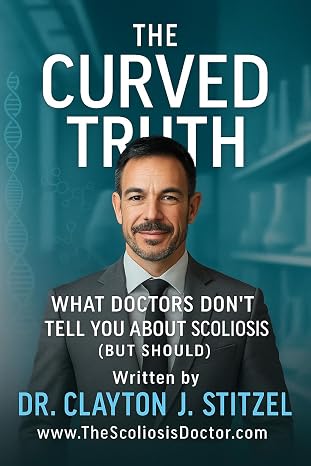
Discover hope, science, and real solutions—explore The Scoliosis Doctor series on Amazon and start transforming your scoliosis journey today! Download the Kindle app on your mobile device for free! Get it for iPhone. Get it for Android.
Dynamic vs. Static Mobility Practices
Understanding the difference between dynamic and static mobility can help you structure your workouts more effectively. Dynamic mobility involves active movements where you take your joints through their full range of motion, like arm circles or leg swings. These are perfect for a warm-up because they prepare your body for activity.
Static stretching, on the other hand, involves holding a stretch for a period, typically 20-30 seconds. This is best done after your workout when your muscles are warm. For those with lumbar scoliosis, static stretches can be particularly useful for relieving lower back tension. This practice helps improve the ability of a joint to move freely.
Both practices can help reduce scoliosis-related back pain and even improve your mental health by alleviating the chronic stress associated with pain. According to the American Council on Exercise, flexibility training can result in “improved postural symmetry and a decrease in both pain and potential for injury.”
Conclusion
In summary, incorporating specific gym exercises into your routine can play a vital role in strengthening your back and managing scoliosis effectively. Understanding your body’s unique needs is crucial, and the right exercises can enhance spinal stability and alleviate discomfort. Programs like Scoliosis Boot Camp offer tailored support to help individuals navigate their fitness journey with confidence. Always remember to consult healthcare and fitness professionals to ensure that your exercise regimen is safe and effective for your condition. Embracing a proactive approach to your health can lead to significant improvements in your overall well-being and quality of life.
Frequently Asked Questions
Are any gym exercises unsafe for people with scoliosiс spine curves?
Certain gym exercises can be unsafe for individuals with scoliosis, particularly those that involve heavy lifting or twisting motions. It’s essential to avoid exercises that place excessive strain on the spine. Always consult a healthcare professional before starting any new workout routine.
How soon can I expect results from exercising with scoliosiс curves?
Results from exercising with scoliosis curves typically vary based on individual commitment and the specific exercises performed. Generally, you may start noticing improvements in strength and flexibility within 6 to 12 weeks of consistent training. Regular monitoring by a professional is beneficial.
Do I need a personalized workout plan for my scoliosiс condition?
A personalized workout plan for scoliosis is beneficial as it addresses individual needs and abilities. It helps prevent injury, promotes strength, and enhances flexibility specific to your condition. Consulting a professional ensures exercises are safe and effective for optimal back health.


