

Key Highlights
- Scoliosis and Digestion: Scoliosis can press on the internal organs, including the kidneys. It can also get in the way of the nerve signals in the digestive system.
- Common Issues: People with scoliosis sometimes get digestive issues. Some examples are IBS, acid reflux, and constipation.
- The Nerve Connection: If the spine is curved in a different way, it can be hard for the brain to talk to the nerves that help control digestion.
- Scoliosis Progression: A bad gut can make it hard to take in what you need from food. This is needed for good muscle and bone health. A problem here can change how scoliosis moves forward.
- Holistic Treatment: A lot of scoliosis treatment choices also try to boost digestive system health as well as work on spine changes.
- Recent Research: Some studies are now looking at the link between scoliosis and digestive issues like IBS.

Have you ever thought if your back pain is linked to your stomach problems? Many people have both scoliosis and irritable bowel syndrome (IBS). You may feel like these are two different issues. But they often happen together.
This article will talk about the connection between the curve in the spine and the health of your digestive system. We will show how scoliosis can affect your digestion. You will also find out what you can do to handle both scoliosis and IBS. This can help you feel better in your mind and your body.
Keywords: irritable bowel syndrome, digestive system, scoliosis, IBS, digestion
Understanding Scoliosis and Digestive Health
Scoliosis is not just a bend in your spine. It is a condition that changes the whole skeletal system. The spinal cord plays a big role in the nervous system, acting like a highway for signals in your body. So, if there is a change in the alignment of your spinal cord, it can lead to severe scoliosis, which can have different effects on the rest of your body.
This covers your digestive system and bladder. The spinal changes that come with scoliosis can affect the nerves that run to your stomach and intestines. In this post, we will talk about how scoliosis can impact your digestive system and may cause symptoms of IBS. We will look at some common problems that come up because of this.

How Scoliosis Impacts the Digestive System
When the spine is not straight, it changes the way the body is set up. This can put pressure on internal organs, including the pancreas. Some of these organs are in your digestive tract, like the stomach and intestines. The space inside can be smaller. This makes them work in a different way.
This physical squeezing can slow the passage of food. Think of a kink in a hose. A thing like this can also happen in your digestive system. When there is contortion and pressure, it gets harder for food to move in your intestines. This can give you discomfort and other problems.
The spine has nerves that carry messages from your brain to your stomach and intestines. Scoliosis can affect these signals. If it changes the way muscles in your gut work, it can cause digestion problems. You may feel symptoms that are often linked with IBS.
Common Digestive Issues in Individuals With Scoliosis
People with scoliosis often have digestive issues that can make daily life harder. The problems may be mild or more serious and need care. The changes in the body and nerve problems from scoliosis are the main cause.
The tightness in the stomach and intestines, along with changes in nerves, can cause many stomach problems. These problems can feel a lot like IBs. People often get upset because the symptoms are the same and they happen at the same time.

Some of the most common stomach problems linked to scoliosis include:
- Irritable Bowel Syndrome (IBS)
- Constipation
- Acid reflux and heartburn
- Stomach cramping and pains
- Feeling full quickly
- Weight loss
Exploring the Link Between Scoliosis and IBS
The way scoliosis and IBS are linked is now getting more notice from doctors and people who study health. It may not be that one always leads to the other for all, but there is some good proof that they go together. The connection is often about the nervous system and how the spinal curve can create compression in the body.
These things can work together and make IBS symptoms worse. Knowing about this connection is important. It helps you start to find better ways to handle both problems. Now, we will see what new research and experts have to say about this topic.
A recent study looked at how common digestive issues are in young people who have scoliosis. The research gives new information on the link between scoliosis and stomach or gut problems. It also covers how some symptoms can be the same as those found with IBS.
The study showed that many scoliosis patients have problems with their stomach or digestive system. This means that having scoliosis might also lead to these health issues. The research says it’s important for doctors to think about these problems when they help people with scoliosis.

Click on the Scoli-Fact to see the rest of the Scoliosis Facts!
Here is a short summary of the main things found in the research:
| Patient Group | Prevalence of GI Symptoms | Common Symptoms Reported |
| Adolescents with Scoliosis | Higher than in the control group | Abdominal pain, constipation, bloating |
You can read the full study here.
Gut Health and Scoliosis Progression
Could the health of your gut change how your scoliosis gets worse? This is a good question. A lot of experts are now looking into it. Your digestive system helps break down food. It also helps your body take in the essential nutrients you need. These are needed to build strong bones and muscles.
If your gut health is not good, your body might not take in the nutrients it needs. This can affect parts that help your spine stay strong. It may also play a role in how scoliosis gets worse. Next, we will see what experts say about this link.
Experts at TreatingScoliosis.com say there might be a link between gut health and how scoliosis changes over time. The spine moves and holds you up. It needs strong muscles, bones, and nerves to be stable. Good nutrition helps keep all these parts healthy.
The blog says that bad digestion can stop the body from taking in important nutrients. If the body does not get enough things like calcium, vitamin D, and protein, it may harm bone strength and muscle power. This is a big deal for kids and teens who have scoliosis, as their bodies are already under a lot of stress. Good digestion is really important for them.
Imbalances in gut bacteria can cause inflammation in the body. Long-term inflammation can get in the way of your body’s healing. It can also make it tough to handle scoliosis as well as you want. Because of this, working to improve your gut health is an important step in a good scoliosis care plan.

The ScoliSMART Approach to Improving Gut Health
The ScoliSMART approach says that scoliosis is not simple. It shows that scoliosis treatment must look at more than just the spine. A big step in this plan is to focus on gut health, so the body can get what it needs for a strong and healthy spine.
This way looks at the patient as a whole, not just one part. When you work on your posture and line up your spine with special exercises and tools, it can help take pressure off your belly. This may help your digestion and ease many gut problems.
The ScoliSMART way can use different steps to help the spine and the stomach feel better.
- Get nutritional counseling to help your gut feel better and lower inflammation in the body.
- Do scoliosis exercises made for you. These work to make your posture better and cut down on compression around your organs.
- Use tools like the ScoliSMART Activity Suit to help your body get into better alignment.
- Take targeted supplements to improve any nutrient deficiencies.
These simple steps can help people with scoliosis feel better, have less compression, and get better posture.

Personal Experiences and Expert Perspectives
Hearing from scoliosis patients and experts helps us understand how spinal health can be linked to digestion in everyday life. Many people with scoliosis talk about their own struggles with back pain. Some also say that they deal with digestive problems, like IBS, along with their back pain.
These stories, along with what experts say, give us a better idea of the challenges that come with scoliosis. They also show some ways people deal with it. Below, you will find key points from a book by a scoliosis expert. You will also read some real stories from people in online communities.
Highlights from “Gut Feelings” by Clayton J. Stitzel
In his book, “Gut Feelings: The Overlooked Link Between Scoliosis and Digestive Distress,” Dr. Clayton J. Stitzel talks about how the digestive system and scoliosis are connected. He says that for many people, things like back pain, headaches, and feeling tired often go along with bad digestion.
The book says that things going on in your gut can affect other parts of your body. Dr. Stitzel shares that a gut imbalance could cause problems in the body that may make scoliosis worse or help it develop. He talks about how the gut can be the “missing link” when it comes to understanding and treating scoliosis.
“Gut Feelings” gives a new way to look at scoliosis. It says that scoliosis is not just a problem with the spine. The book tells both patients and doctors to look at the whole body. It also says that better gut health might help a lot with managing scoliosis and the problems that come with it.
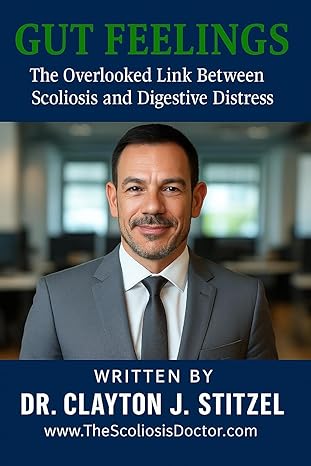
Discover hope, science, and real solutions—explore The Scoliosis Doctor series on Amazon and start transforming your scoliosis journey today! Download the Kindle app on your mobile device for free! Get it for iPhone. Get it for Android.
Real Stories From Online Communities
A lot of people use online groups to talk about living with scoliosis. They also look for help and share their stories in these places. In forums and social media groups, people often talk about scoliosis and IBS together. This shows that the link between scoliosis and IBS is something real that many people feel and talk about.
These stories from people often sound like what the research says. People talk about the way their scoliosis symptoms get worse at the same time as their digestive issues. This leads them to feel that the two problems are linked. They give tips and ways that can help with both scoliosis and digestive issues.
Here are some topics that people talk about a lot in these online talks:
- Sharing the changes in what they eat and how those changes have helped with bloating and constipation.
- Talking about some simple scoliosis exercises or stretches that feel good and help lower belly pressure.
- Asking for tips on how to speak to doctors about both scoliosis and IBS symptoms.
- Feeling better because they know they are not the only ones with these problems.
Conclusion
To sum up, knowing about the link between scoliosis and IBS can help people manage these conditions in a better way. There is new research that shows how the health of your gut connects with how scoliosis gets worse over time. This study shows why people need to get care that looks at the whole body (see the study here). The team at TreatingScoliosis.com also says that taking care of your gut may help people with scoliosis feel better overall (read more here). A book by Clayton J. Stitzel, “Gut Feelings: The Overlooked Link Between Scoliosis and Digestive Distress,” gives easy-to-understand ideas on how the gut and scoliosis affect each other. This book is good for anyone who deals with these issues. If you focus on your gut health, you can help your body handle both scoliosis and digestive issues in a better way.


