

Key Highlights
- Some jobs feel harder when you have adult scoliosis, because back pain, tiredness, or not being able to move well can get in the way.
- Demands at work, how you sit or stand, and working long hours can change your quality of life.
- Good scoliosis management can be about small changes to your workspace, doing specific exercises, and trying different treatment options.
- The ScoliSMART clinic approach puts focus on pain relief, moving better, and curve reduction. They work on these things without bracing or surgery. If you are searching for an adult scoliosis boot camp or the scoliosis boot camp program near you, many ScoliSMART clinic locations have boot camp programs to help with curve reduction and pain relief. You can also find online ScoliSMART Activity Suit options and more resources at www.TheScoliosisDoctor.com.
- Adult scoliosis boot camp programs may help you feel better, stay active, and do your job with less pain.
- Jobs that are more flexible can feel easier for people who manage scoliosis day after day.

Introduction
If you have scoliosis, your time at work may feel very different compared to others. A mild spinal curvature might not bother you much. But adult scoliosis with pain or stiffness can make a normal shift feel long and hard. The hardest jobs are the ones that put stress on your back, your lower back, or the way you sit and stand all day. The good news is that with the right scoliosis treatment, good work habits, and support, you can look after your body and keep going.
If you want special help, you might think about joining a scoliosis boot camp or adult scoliosis program. The cost of these can be several hundred dollars or several thousand dollars. This depends on how long the program is, what level of care you get, and what is included, like therapies or tests. It’s important to see what each boot camp offers. A lot of the price goes toward having skilled medical care, custom exercise plans, and learning tools.
Understanding Scoliosis and Its Impact on Working Life
Scoliosis is more than a curve you see on an X-ray. In adults, it can affect comfort, energy, and movement. It may make it hard to sit, stand, or lift for a long time at work. Adult scoliosis can also bring pain every day. This pain can make it tough to do your job well as time goes on.
That is why it is important to have good scoliosis management. When you know the symptoms, triggers, and know about scoliosis treatment options, you can make better choices for your body. This can help with your quality of life. Let’s look at what scoliosis is and why some jobs feel much harder than others.

What Is Scoliosis? Types and Symptoms Adults Should Know
Scoliosis is a problem where the spine forms a curve that is not normal. In adults, this spinal curvature, known as the curvature of the spine, can begin when they are younger or can show up later when the spine changes as people get older. Some feel pain because of this. Other people see changes in their body, like uneven shoulders or hips.
There are two common types of scoliosis in adults. These are idiopathic scoliosis and degenerative scoliosis. Idiopathic scoliosis is when the cause is not clear. It often begins when you are young. It gets more visible as you get older. Degenerative scoliosis happens when joints, discs, and bones in the back wear down with time. This wear makes the spine curve, and in some cases, spinal surgery may be necessary for treatment.
Symptoms can be lower back pain and a tired feeling in the spine when you sit or stand. You may also lose some movement in your back, and sometimes you can see the scoliosis curves. In more severe cases, day-to-day movement gets harder. These signs can affect your work, exercise, and your overall quality of life if you do not get help soon.
How Scoliosis Affects the Body in Daily Activities
At first, you might think scoliosis is just a problem with the way you stand or sit. But when you go about your daily activities, this spinal curvature can put more stress on the muscles, joints, and nerves. That is why things that should be easy may feel much harder than they should.
You may feel back pain when you carry things, stand in line, or bend to pick up something. Adults sometimes feel tired even after sitting for a short time. Some people have uneven shoulders, tight muscles, or cannot move as well. This can make doing chores and work tasks feel less good.
Over a long time, these problems can make your quality of life lower. Your body tries to help, but this can put more strain on it. Even simple things like driving, typing, or walking in a big workplace can feel tiring. This is often the time when people start to look for better scoliosis management and more effective treatment options.
Scoliosis pain can make it tough to do your job. It gets hard to focus, keep moving through the day, or work till the end without a lot of pain. Many people with adult scoliosis feel the most pain in their lower back.
You can feel pain if you sit for too long, stand for too long, or do the same thing over and over all day. Some people feel chronic pain, feel stiff, or feel tired in the back as the day goes on. This can take away speed, make it hard to focus, and lower your confidence at work.
When you feel pain every day because of work, it affects more than your paycheck. It can also lower your quality of life. This can mean that you need better scoliosis management. You might need a better setup at your workplace. You could also use targeted movement. A good treatment plan made for your specific needs will help too.
Factors That Influence Job Difficulty for Adults with Scoliosis
Not every person with scoliosis treats it the same. The size of your scoliosis curves matters. Your pain, your strength, and the work you do each day make a big difference, too. A job that is good for one person may feel tough for someone else.
This is why scoliosis management should fit each person. A scoliosis doctor will look at how much you can move, your posture, and how your work changes your quality of life before making any choices. The next factors show why some jobs add more stress than others and what can help with that.

Physical Demands and the ScoliSMART Approach to Pain Relief
Physically demanding jobs can be tough for adults who have scoliosis. When you do a lot of heavy lifting, bend a lot, twist, or carry things often, there is more strain on your back. This can make pain relief harder for you. If you have a job that needs a lot of movement, small posture problems can grow into bigger issues as the day goes on.
The ScoliSMART approach gives a new way to help with scoliosis treatment. It does not use the traditional bracing methods or surgery. Instead, it uses scoliosis-specific nutritional supplements, exercises for core stabilization, and the ScoliSMART Activity Suit. The goal is to lower pain, help you move better, and support curve reduction with this type of care.
Another key point is muscle memory. This approach helps your body build new muscle memory with targeted care. It is not just about covering up symptoms with pain relievers. For adults who want an effective treatment plan that supports both work and movement, this new way can feel more practical. It may also feel more sustainable for those looking for an effective treatment plan.
Sometimes, the job is not the only thing that can be a problem. The way your workplace is set up is important, too. A bad chair, sitting for many hours in one spot, reaching the wrong way, or bending again and again can put more pressure on your back. All of this can make scoliosis management harder.
That is why making changes for comfort and support can help a lot. A screen at the right height, good arm and foot support, and enough space to move can give you better posture all day. Even if you are in an active job, small changes in the way you work can lower strain and make you feel less tired, so you can keep going.
A supportive environment is important for the quality of life. If you have breaks at work, time to move around, and you can make simple changes, it helps protect your spine. A job that fits your body, and does not work against it, can make you feel much better. This can improve how you feel during work and also after you go home.
Work stress does not have to come from just physical problems. Adult scoliosis can also cause stress in your mind and emotions. The pain from this may make you worry about your work, being at your job, and if the people you work with know what you feel each day.
Some people deal with symptoms and do not talk about it, even when the pressure gets worse. Others feel upset because things that are easy for other people take them more time and energy. After a while, this can hurt their confidence and the quality of life.
Ongoing support can help a lot. In the workplace, it helps when people listen to you. A care team that talks about your choices and makes a plan that matches real life also helps. This can lower stress and make you feel better. When you feel there is support around you, it is easier to ask for help or changes. You can move through your day at your own speed. This makes living with adult scoliosis feel less lonely.
Recommended Books and Resources for Scoliosis in the Workplace
Good information can help make work with scoliosis feel less confusing. Helpful resources can show you what symptoms to look for. They can tell you how to talk with your providers. You can learn which scoliosis treatment options and what family logistics can fit your life. This knowledge can make scoliosis management better for you.
Books, online groups, and treatment pages can help you have a more supportive environment around you. If you need clear next steps, the resources below give you useful ideas, patient education, and a look at what modern care can be like.
One helpful book you might want to read is The Curved Truth: What Doctors Don’t Tell You About Scoliosis (But Should), by Clayton J. Stitzel, The Scoliosis Doctor. The title and the way the book is shared show that it is for people who want to get clear facts about scoliosis curves, how you feel with it, and questions that your doctor may not explain during a quick office visit.
For adults who want to keep working and stay active, that kind of help can be good. A book like this can make you think more about different treatment options. It helps you know why having a treatment plan made just for you is important. It also helps you get ready for a better talk with a scoliosis doctor.
This also works well for people who need to learn more before they choose a care plan. If you are thinking about a scolismart clinic or want other non-invasive help, this information can help you ask the right questions. It can also help you feel more sure about your next step. This is helpful when work stress makes every choice feel very important and you need to make a good decision.
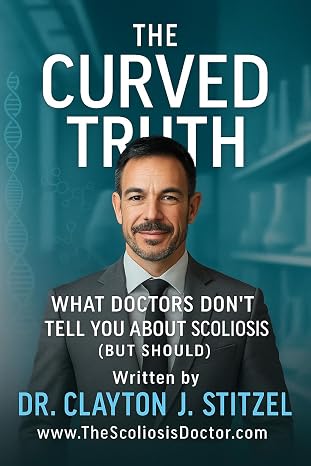
Discover hope, science, and real solutions—explore The Scoliosis Doctor series on Amazon and start transforming your scoliosis journey today! Download the Kindle app on your mobile device for free! Get it for iPhone. Get it for Android.
Online Communities and Support Systems
You do not have to do everything alone. A lot of adults with scoliosis want a supportive environment where they can talk with others about work pain, moving problems, and choices about treatment. This ongoing support can help lower stress for you.
Online support systems help you see how other people deal with daily tasks. You can read about how they sit, stand, or travel to work. You may also find tips on asking for things you need at your job. If you have adult scoliosis, these stories and ideas could boost your confidence and your quality of life.
Helpful things to look for include:
- Groups where people talk about adult scoliosis and the problems they face every day at work
- Spaces that share good and useful ways to cope, not ones that make you feel afraid
- Communities where you can ask questions about different treatment options
- Support systems that help you do your care and exercise all the time
Modern Treatments Like the ScoliSMART Approach
If you want to check out a modern scoliosis treatment program, you should look at the ScoliSMART method. This information talks about a new way to help with adult scoliosis. The care given by a ScoliSMART doctor is not invasive. It aims to lower pain, help you move better, and give support for your spinal health. This scoliosis treatment program is made to give people a good chance to feel better and have a better way of life.
What makes this special is the way it brings tools together. Instead of using just medicine, a brace for scoliosis, or only talking about scoliosis surgery, the treatment plan uses targeted rehab exercises, scoliosis-specific supplements, and the ScoliSMART Activity Suit, ultimately leading to an improved quality of life. This can help the treatment feel more active and personal.
For a closer look at how this way can help with pain relief in adults, visit the ScoliSMART page on adult care here. If you want to compare treatment options, this page will show you what an effective treatment plan can look like at a scolismart clinic. This is helpful if you want pain relief or need to know more about making a good and effective treatment plan.

Special Focus: Adult Scoliosis Boot Camps and Career Impact
Some adults need more than just basic care. A boot camp can help when pain, limits on moving, or big curves in the back make work and daily life hard. A boot camp program is there for people who want more structured help.
The goal is not just to exercise for the sake of it. An adult scoliosis patients program can help you stay active, feel less pain, and move better every day. This is important if you work long hours, need energy, or move a lot at your job. Here is what these programs may include and what they can do for your work and active lifestyle.
What Happens at an Adult Scoliosis Boot Camp?
An adult Scoliosis Boot Camp in the United States is an intensive treatment program made for adults with scoliosis. It is for those who have curves over 25 degrees and want to stay active. This boot camp is based on collected facts. The goal is to help with pain, improve how you move, and give support for curve reduction. It does this with focused care for each person.
At a scolismart clinic or a place like it, you may get help with your scoliosis management by doing specific exercises and other physical activities. The team will set up training and targeted rehab that fits the way your curve looks and what symptoms you have. They also show you in-home workouts to keep you on track when the program ends. This is important because doing exercises every day can really change your results over time.
Here is a simple look at what the program may have:
| Program Part | What It May Help With |
| Initial review | Looks at your curve and current needs |
| Specific exercises | Supports strength, movement, and control |
| Rehab sessions | Targets pain, mobility, and function |
| Home exercise plan | Helps you continue progress after the program |
The exercises you do in an adult boot camp are not just for making you feel good for a day. They are a part of scoliosis treatment that is made to fit your curve, your pain, and the way you move. The information here shows you how targeted rehab and routines made for you can help.
These specific exercises can help you build core strength, support your posture, and improve your range of motion. At work, this may help you feel better when you sit, stand, pick up light things, or walk during your shift. Even small gains with control can really make life feel better and boost your quality of life.
Some programs let you keep up with training at home. This is important because it helps you feel better at work if you stay with the treatment even after leaving the clinic. If you move easier and feel less tired, your job can feel less hard. That is why many adults see Scoliosis exercises as a good part of their care.

Success Stories: Adults Returning to Work After Boot Camp
Yes, the information put together here has real stories where boot camp care has helped people. One story talks about a younger patient, but it still shows that intense and non-surgical care can make the curve change a lot in a short time. This is one reason why adults also ask about boot camp programs.
For adults who have adult scoliosis, the most important benefits can be less pain, better movement, and more chances to stay active. A boot camp helps by giving you tools that you can use even after you finish treatment. This can help you at work and in daily life.
Reported benefits linked to boot camp-style care include:
- You will feel less pain when you move or do your daily tasks.
- You get better quality of life because you can move more easily.
- You feel more confident about going back to work or staying active.
Less Challenging Job Types and Scoliosis-Friendly Careers
Some jobs are easier on the spine. If you can change your position, move around, and feel comfortable at work, it may help with scoliosis management. A job that does not make you lift or stand all the time could help you feel better and improve your quality of life over time.
A scoliosis-friendly role is not always a perfect job. This work lets you adapt tasks to your body. A supportive environment, flexible hours, and space to move can matter more than your job title. Now, let’s see which kinds of work settings may feel easier to handle.

Benefits of Flexible and Remote Work Environments
Flexible work can help a lot if you have scoliosis. You can do better if you change your time for work, switch up how you sit or stand, or work at home. This way, you may feel fewer symptoms. It can also help you avoid having pain that lasts all day.
Remote work can make it feel better for scoliosis management. The way you set up your chair and desk is in your hands. You can decide when to take breaks and move. This creates a more supportive environment. A lot of people find it helps them save their energy to use in other parts of the day.
Some good things about flexible work or remote work are:
- There are more times in the day to change how you sit or stand.
- You can have better control of your setup for comfort at home.
- There are fewer long drives or rides, so you feel less stiff.
- A lower strain every day helps to improve your quality of life.
Jobs suggested for people with severe scoliosis are usually those that cut down on physical stress and let you change positions. Most jobs that are good for scoliosis give you ways to sit or stand, let you work at your own pace, and have a supportive environment. This helps lower stress on the spine again and again.
Not every office job is easy. But the job can be changed more easily. If a job has less lifting and lets you sit or stand in different ways, it can help with less pain. This can also be good for scoliosis management.
Here are simple examples:
| Scoliosis-Friendly Jobs | Why They May Help |
| Remote administrative work | Easier to control setup and take breaks |
| Flexible customer support roles | Often allow sitting, standing, and pacing |
| Scheduling or coordination roles | Lower physical demand and adaptable workflow |
| Some creative or computer-based roles | Can work well with good ergonomics and movement breaks |
How the ScoliSMART Activity Suit Can Help in Various Work Settings
The ScoliSMART Activity Suit is a helpful tool for scoliosis treatment, especially for adults and adolescents with adolescent idiopathic scoliosis. It works to lower pain from scoliosis, help change the curve in the spine, and slow down how fast it gets worse. The activity suit can be worn alone or under your clothes. This makes it easy to use at work or in a busy day.
For adults at work, this can help in the office or when you are moving around. If the suit helps your core muscles and lets your body handle strain better, your day can feel less tiring. It works for people with fused and non-fused backs, too.
Is it good for adults with scoliosis? The answer is yes. It can help with pain relief, support for the curve, and daily tasks. When used with physical therapy or other care, it may make you feel better and improve your quality of life during the day.
Most Challenging Jobs for People with Scoliosis
The hardest jobs for people with Scoliosis are often the ones where the spine has stress for many hours. Usually, there is not enough time to rest. This may be due to hard work, standing all day, or sitting in the same spot for too long. Different jobs can cause back pain in different ways.
If you have bigger scoliosis curves or feel a lot of chronic pain, these jobs can be even harder. Good scoliosis management can still help you feel better. But, knowing the work patterns that cause the most stress is the first step. Here are the work types that often give people the most trouble.
Careers Involving Heavy Lifting or Manual Labor
Jobs that need heavy lifting can be very tough for adults who have scoliosis. Doing things like lifting, carrying, twisting, and pushing again and again can put extra pressure on the spine. This stress can make back pain worse. It may also cause the muscles to feel tight and tired from working too much.
For people who have adult scoliosis, doing manual work can make chronic pain feel worse as time goes on. You might feel good when you start work, but doing the same heavy things again and again can put stress on your lower back and hips. This can make it hard for you to feel safe or do your job well.
These jobs can be even harder for people who have had scoliosis surgery or spinal fusion in the past. After scoliosis surgery, your body will move in a different way. Some things may also feel harder to do. This does not mean you cannot go to work. But, it does mean that heavy work needs to be planned very well.
Occupations Requiring Extended Standing or Walking
Standing and walking may sound easier to some people than lifting things. But these can still be tough for adults with scoliosis. People who have jobs in retail, hospitality, health support, or work in large facilities often spend a lot of time on their feet. There is not much chance to get rest during the day.
That can make lower back pain feel worse. It can also cause you to feel more tired in your muscles and feel stiff. If your range of motion is already not good, standing or walking for many hours can slowly take a toll on you. A lot of adults feel more pain in their back as the day goes on, even if the work does not look hard at first.
From an occupational health view, these jobs need the right pace, breaks, and smart support. Good scoliosis management can include changes in footwear, planning your movement, and treatment that looks after spinal health. If they do not have these supports, standing or walking for a long time can be a big daily challenge.
Desk Jobs with Prolonged Sitting and Back Strain
Desk jobs can seem easy, but sitting for a long time can be hard on your back. If you sit in one place for hours, you may feel back pain, stiffness, and get tired. People with scoliosis may find that sitting too long feels just as bad as standing for too long.
The problem is often because of bad setup and not moving around enough. When you do not make ergonomic changes, your body can start to lean, twist, or slump. This can cause stress on your body. As time goes on, this can hurt your focus at work. It can also make daily activities feel harder after your workday is over.
This is where scoliosis treatment and support tools, including scoliosis braces, can help. A good chair, changing how you sit, and moving often are important. Some adults might try wearing an activity suit like the ScoliSMART Activity Suit with their plans. The goal is not just to get through work, but to keep your body safe for a long time.
Tips for Managing Work with Scoliosis
Living and working with Scoliosis means you need to plan ahead. It does not have to be perfect. The right habits can help lower strain. They can also reduce pain and help you keep working. Good scoliosis management uses smart movement. It also depends on workplace changes. There are different treatment options that fit your daily routine.
You do not have to change everything at once. Small changes in how you sit or move, doing some exercise often, and talking clearly with others can help with comfort. These steps can make your quality of life better as time goes on. The tips below can help you take care of your back while you get your work done.
Ergonomic Adjustments and Adaptive Tools
Your workspace needs to support your body, not hurt it. If you have scoliosis, even a simple setup mistake can lead to hours of pain. This is why changing how you sit or work can be one of the best ways for you to feel more comfortable at work.
Making a few simple changes can help you get better posture and feel less tired. What works best can depend on your symptoms. But the goal is always the same. You want to keep your body more balanced and lower any stress that comes again and again. This is a practical part of scoliosis management. It can also help with your quality of life.
Useful tools and changes may include:
- A chair that helps you sit up straight and lets you shift how you sit.
- A screen set high enough so you do not slump over.
- A place to rest your feet if your legs or hips feel uneven.
- Set times for movement breaks during the day to make a more supportive environment.
Integrating ScoliSMART Treatment and Exercises at Work
It is good when the care plan works with your job, not against it. A treatment program that fits your schedule and needs is easier to keep up with. That is why many people want a treatment program that works with their daily life.
The ScoliSMART model shared in the source uses certain exercises, supplements, and the activity suit. When these are used along with an exercise program made for your specific needs, it can help you feel good through the workday and even after. The main aim is to help your body move in a better way.
The more you practice something again and again, the more your muscle memory gets stronger. This can help a lot since there are many moves and positions at work that you do all the time. If a scolismart clinic shows you some easy exercises to keep doing, you might find it better to stay on track. Being consistent is often what can lead to long-term change.

Click on the Scoli-Fact to see the rest of the Scoliosis Facts!
Communication Strategies with Employers and Colleagues
It can feel strange or hard to talk about scoliosis at your job. Still, sharing what you feel can stop bigger issues later on. You do not have to share all the details. Just say what things help you do your work well and what things make your symptoms feel worse.
For adults who have adult scoliosis, you may need to ask for a better chair. You can also ask to take short movement breaks or have a small change in your work. These are things you need, not special treatment. A supportive environment often starts when people know what you need to do your job well.
It also helps to keep the talk focused on what you need to do. Say how changes can help your work, cut down pain, and make things more steady. When people at work know that these steps protect your quality of life and help you work better, ongoing support will be much easier to get.
Conclusion
To sum up, it’s important to know the challenges faced by people with scoliosis at work. A supportive environment matters a lot. There are many things that can affect job performance and happiness, like the physical and mental demands of work. You might want to look for jobs that are less hard on your body. Reading something like “The Curved Truth: What Doctors Don’t Tell You About Scoliosis” by Clayton J. Stitzel can help you learn more.
There are also new ways to feel better at work, such as the ScoliSMART approach. This method can help to improve the way you feel and work, even when considering the additional challenges of time. If you are looking for ways to handle scoliosis at your job, check out the ScoliSMART Method for help and advice. Making the right choices and seeking support can lead to a good, rewarding career.
Frequently Asked Questions
Can the ScoliSMART approach help me keep my current job if I have scoliosis?
Yes, it may help. The ScoliSMART approach is seen as a non-invasive scoliosis treatment program that avoids invasive procedures. It can help with pain relief, movement, and better spinal health. For adults with scoliosis, this treatment program may make work each day feel easier and boost overall quality of life. It can be even better when used with changes at your job.
What types of jobs are recommended for people with severe scoliosis?
Jobs that do not need a lot of moving, have flexible work hours, and give a supportive environment can be better for people who have severe scoliosis. Some good job options for scoliosis management can be remote work, jobs with easy-to-change schedules, and desk jobs where you can change your table or chair. These jobs help by giving less pain, let you feel more comfortable, and may give you a better quality of life than jobs that need heavy lifting or standing for a long time.
Is the ScoliSMART Activity Suit suitable for office-based professionals?
The scolismart activity suit can be worn both under and over clothes. This fits well for people who work in an office. It is one of the treatment options you can try for scoliosis management. The activity suit gives support and can help you feel more comfortable while you do daily activities in a supportive environment.


