

Key Highlights
- Adolescent idiopathic scoliosis (AIS) is a condition that causes an abnormal curvature of the spine and is often diagnosed during puberty.
- The exact causes of AIS remain unknown but are believed to involve a combination of genetic and environmental factors.
- Research suggests that multiple genes likely contribute to an individual’s susceptibility to developing AIS.
- Other genetic conditions, such as muscular dystrophy and cystic fibrosis, are caused by mutations in single genes or chromosomal abnormalities.
- Understanding the genetic basis of these conditions is crucial for diagnosis, prognosis, and exploration of potential treatments like gene therapy.
Adolescent idiopathic scoliosis and many other health issues come from a mix of genetic and environmental factors. Genetic testing can show inherited gene changes or chromosomal differences. This helps us understand if a person is more likely to develop certain diseases. Family history can be very helpful in spotting potential genetic risks and making healthcare choices. It is important to understand how genetics and environmental factors work together to manage and treat these conditions properly.

Understanding Adolescent Idiopathic Scoliosis
Adolescent idiopathic scoliosis (AIS) is a condition where the spine curves sideways. It often happens during puberty when kids experience a growth spurt. Even though it is fairly common, we still don’t fully understand what causes AIS. Symptoms and management of genetic conditions like AIS can differ between children and adults. In children and adolescents, AIS may progress rapidly during growth spurts and is often detected through routine screenings, while adults typically experience symptoms related to pain and decreased mobility due to longstanding spinal changes. Management approaches for AIS in younger individuals often focus on monitoring and non-surgical interventions like bracing during growth, whereas adults may require pain management or surgical options if the condition becomes severe.
The word “idiopathic” highlights this mystery, showing that the cause is unknown. Many researchers and doctors think that it likely involves a mix of genetic factors, environmental factors, and high blood pressure. This combination may help lead to the development and worsening of AIS in young people, particularly those under 30 years of age.
Definition and Overview of Adolescent Idiopathic Scoliosis
Adolescent idiopathic scoliosis (AIS) is a condition that affects the spine. It causes a three-dimensional curved shape, usually in teenagers aged 10 to 18 years. About 2-3% of children in the United States have AIS, making it the most common type of scoliosis. If you or a family member is diagnosed with a genetic condition like AIS, the first steps to take include consulting with your healthcare provider to understand the diagnosis, discussing possible treatment options, and seeking guidance about regular monitoring or specialist referrals. It’s also important to gather information about the condition and connect with support resources for families.
In people with AIS, the spine bends to the side, forming an “S” or “C” shape. This curve can form in any part of the spine but is most often seen in the thoracic (upper) or lumbar (lower) regions. Besides the physical impact, those dealing with a genetic disorder like AIS may experience common emotional and social challenges such as feelings of self-consciousness, anxiety about appearance, or worries about treatment and long-term health. These individuals may also face difficulties in social situations, like participating in sports or feeling different from peers, which can affect self-esteem and personal relationships.
What should I do if I have a genetic disorder?
If you have a genetic disorder, consult a healthcare professional for personalized advice and management options. They can recommend genetic counseling, lifestyle adjustments, or specialized treatments. Additionally, connecting with support groups can provide valuable resources and emotional support to help you navigate your condition effectively.
The exact cause of AIS is not known, so it is called “idiopathic.” However, research shows that genetics may play a big role. Children who have a family history of scoliosis, especially among first-degree relatives, are seen to have a higher risk of developing this condition.
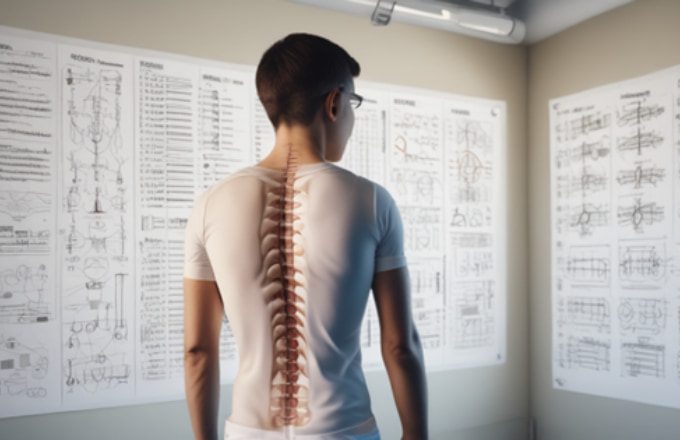
The exact cause of AIS is still unclear, but doctors believe it involves a mix of genetic factors and things in the environment. A family history of scoliosis is important. This means that if someone in your family has it, you might be at a higher risk, too.
Besides genetics, hormones, unusual growth during puberty, and possible nerve system issues are being looked at. While we do not know all the environmental factors that cause AIS yet, some studies show a link to nutrition and levels of physical activity.
There is also ongoing research about connective tissue problems, melatonin levels, and possible connections to the nervous system. Knowing these risk factors is vital for spotting AIS early. This could help in creating better ways to manage and treat the condition.
Genetic Basis of Adolescent Idiopathic Scoliosis
The exact way that genes and the environment work together to cause AIS is still being researched. However, many studies show that genetics play a big role. One strong sign of this is that AIS tends to show up more in certain families.
Studies on twins support these ideas. These studies look at how often AIS happens in identical twins compared to fraternal twins. Identical twins share all their DNA, and they show a higher rate of scoliosis than fraternal twins, who do not share as much DNA.
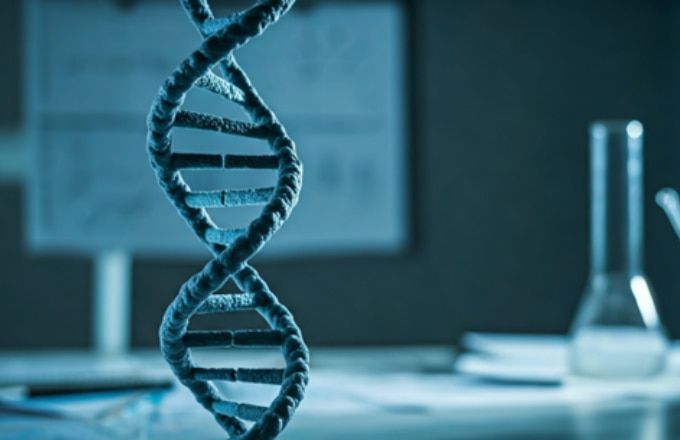
The search to understand the genetics of AIS has led to many studies. Researchers are looking at candidate genes and DNA sequence changes linked to the condition. By analyzing families with several members affected by AIS, they found certain regions on different chromosomes that may contain genes contributing to the risk of AIS.
Genome-wide association studies (GWAS) have broadened this research. These studies examine the genomes of thousands of people, both with and without AIS. They have found specific genetic changes that could play a role in developing AIS, even if the effects are often small.
Although genetic testing is not yet a routine part of diagnosing or treating AIS, this research shows promise. It may eventually help identify genetic markers that could lead to early detection, assessing risks, and tailoring treatments for AIS.
Adolescent idiopathic scoliosis, while not following a simple Mendelian inheritance pattern like some single-gene disorders, often exhibits familial aggregation, highlighting the role of family health history in understanding its inheritance.
The exact pattern is complex and not fully elucidated, but studies suggest a polygenic inheritance model meaning that multiple genes contribute to an individual’s susceptibility. This means that AIS is likely influenced by the combined effects of variations in multiple genes, possibly interacting with environmental factors.
While a pinpoint inheritance pattern has yet to be identified, some research suggests possible modes including:
| Inheritance Pattern | Description |
| Autosomal Dominant with Incomplete Penetrance | The mutated gene is located on one of the non-sex chromosomes, and a single copy is sufficient to increase risk, but not everyone who inherits the gene develops AIS. |
| Multifactorial or Complex Inheritance | Multiple genes and environmental factors interact to contribute to the development of AIS. |
Further research is needed to fully understand the specific genes and their interactions contributing to the hereditary nature of the condition.
Genetic conditions include many types of disorders that come from changes in a person’s DNA. AIS is a complex condition with many genetic factors, including environmental influences such as alcohol use, and other disorders such as autism spectrum disorder. Other genetic disorders occur because of changes in single genes or problems with chromosomes, such as their number or structure.
These genetic changes impact how proteins are produced or work. Proteins are important parts of the body. This can cause different health problems. Some issues can be mild, while others can be severe or even life-threatening.

Click on the Scoli-Fact to see the rest of the Scoliosis Facts!
Single-Gene Disorders
Single gene disorders, also called monogenic disorders, happen because of changes in one gene. These changes in the DNA sequence represent one of the types of genetic disorders and can come from one or both parents or can happen by chance.
Some examples of these genetic disease disorders are cystic fibrosis, sickle cell disease, Duchenne muscular dystrophy, and Huntington’s disease. For instance, cystic fibrosis is caused by changes in the CFTR gene. This affects the balance of salt and water in the body, especially in the lungs and digestive system. Sickle cell disease affects red blood cells because of a change in the HBB gene. This makes the cells look like a sickle, causing various problems in the body.
The way these single gene disorders are passed down can differ. Some are autosomal dominant inheritance, meaning only one copy of the mutated gene is needed to show the disorder. Others are classified under autosomal recessive inheritance, needing two copies to show the effects. There are also X-linked disorders, which are connected to the X chromosome. Understanding these patterns helps with genetic counseling and assessing risk for families.
Chromosomal Abnormalities in children and adults
Chromosomal abnormalities are a type of genetic condition. They happen when there are mistakes in the number or structure of chromosomes. These mistakes can occur during cell division. This can result in too much or too little genetic material, which affects a person’s growth and health, potentially leading to diseases such as breast cancer and colorectal cancer.
One common example is Down syndrome. This condition happens because there is an extra copy of chromosome 21, known as trisomy 21. It leads to unique physical features and delays in development. Other types include Turner syndrome, where females have only one X chromosome instead of two pairs of chromosomes, and Klinefelter syndrome, where males have an extra X chromosome (XXY).
These conditions can cause different physical and developmental challenges. For instance, Turner syndrome can lead to short height, infertility, and heart issues. Klinefelter syndrome may show up with tall stature, infertility, and learning problems. In addition, Fragile X syndrome, also known for its impact on developmental abilities, is another condition that can affect physical and developmental abilities. Rett syndrome is another condition that can impact physical and developmental abilities. Genetic testing can help people understand and manage these conditions better.

Diagnosing Genetic Conditions adult child
Diagnosing genetic conditions is a detailed process. It looks at a person’s medical history, family history, and includes a physical exam. The Human Genome Project, which studies human genes, has influenced specialized genetic testing, which is also part of this process. Gathering a complete family history helps doctors find any known genetic conditions. This information can show potential risks and help choose the right tests.
Genetic testing checks a person’s DNA for specific changes or differences in chromosomes. This testing is crucial for confirming a diagnosis. The tests can be done with samples like blood, saliva, or cheek cells.
Scoliosis diagnosis starts with a detailed physical exam. This includes checking the curve of the spine, looking for posture issues, and noting any related physical symptoms. A special test, called the Adam’s forward bend test, helps to see how the spine is aligned.
Imaging tests, like X-rays, provide clear pictures of the spine. This helps healthcare providers see the angle of the curve (Cobb angle) and decide how severe it is. Sometimes, doctors may use magnetic resonance imaging (MRI) to check for other causes of scoliosis, such as spinal cord tumors or nerve issues.
Genetic testing is not usually part of scoliosis diagnosis. However, it could be important if there is a strong family history or if doctors suspect other genetic syndromes. Advances in genetic research are improving the way we diagnose scoliosis. This may lead to earlier detection and better treatment options in the future.
Diagnostic Challenges in Genetic Disorders
Diagnosing genetic disorders can be complicated. There are many genetic disorders, and they often have similar symptoms depending on the type of disorder. This makes it hard to find the exact diagnosis.
Accessing special genetic testing is important. We need to understand and interpret complex genetic data. It is also essential to know how a diagnosis affects individuals and families, which requires special care and expertise. Sharing genetic information is sensitive. It needs careful thought since it impacts other family members and their health choices.
There are some important ethical issues to think about. These include informed consent, privacy concerns, and the risk of discrimination. To tackle these challenges, we need teamwork. Healthcare providers, genetic counselors, individuals, and families should work together to understand genetic health better.
Advanced Treatments for Scoliosis
Treatment for scoliosis usually requires a team of specialists. This approach is based on the person’s age, growth, and how severe the spinal curve is. Watching the condition, using braces, and surgery are the main ways to manage scoliosis. Each method is important and helps with individual needs.
Research is always looking for ways to improve treatments for scoliosis. New technologies like better bracing methods, less invasive surgeries, and gene therapy show good potential. These developments can lead to better results and improve the quality of life for patients.

Discover hope, science, and real solutions—explore The Scoliosis Doctor series on Amazon and start transforming your scoliosis journey today! Download the Kindle app on your mobile device for free! Get it for iPhone. Get it for Android.
Genomic Variant Testing
Genomic variant testing includes different genetic tests that find changes in a person’s DNA sequence. This new technology looks at a person’s genome. It gives important information about their genetic makeup and risk for diseases. Although it is not usually used to diagnose scoliosis, improvements in genomic variant testing can be very helpful for personalized medicine. This is especially true when it comes to understanding complex disorders like scoliosis.
As we learn more about the genetic causes of scoliosis, genomic variant testing might help identify genes linked to getting the disease, how it progresses, and how well people respond to treatment. This personal information can help doctors create better treatment plans. They might figure out the best methods for bracing or when surgery should happen.
Additionally, research on gene therapy is exciting. This therapy aims to fix or replace bad genes, which could help treat genetic disorders. For scoliosis, gene therapy might explore new ways to address genetic issues that lead to spinal curvature. However, this remains an area that researchers are still studying.
The Scoliosis Boot Camp Program
Scoliosis boot camps are special programs that provide focused treatment for scoliosis. These camps are becoming more popular as a treatment option for people with this condition. At these boot camps, different therapies are combined. This includes physical therapy, exercises, and genetic testing, all designed for the unique needs of each person.
Physical therapy is very important in managing scoliosis. It helps to strengthen back muscles, improve posture, and lessen pain. At a scoliosis boot camp, people follow a customized exercise plan which often uses the ScoliSMART Activity Suit.
This method involves specific exercises and postural correction techniques. These help to lower the curve of the spine and make it more stable. The structured setting of boot camps supports individuals in focusing on their treatment for scoliosis. This can lead to better results and a better life quality. Watch our AMAZING video!

Older Treatment Options and Management
Managing genetic conditions requires a clear plan. This plan should aim to relieve symptoms, prevent problems, and enhance quality of life. Treatment options usually involve teamwork from different healthcare providers with various skills.
It is important to check on progress regularly. This helps to see how the disease is moving and to change treatment if needed. The exact treatment options depend on the genetic condition. They may include medicines and therapies to manage symptoms or more complicated actions like surgery or enzyme replacement therapy.
Traditional Treatments for Scoliosis
Traditional treatments for scoliosis mainly focus on managing the curve of the spine and stopping it from getting worse. The method chosen looks at things like how severe the curve is, the age of the patient, and their overall health. Doctors usually use a mix of observation, bracing, and, in worse cases, surgery.
For people with mild curves, regular checkups and X-rays are often suggested to keep an eye on any changes. For moderate curves in growing children, using a brace can help slow down or stop the curve from getting worse. These special braces gently push on the spine to guide its growth.
In cases where the curve is serious or other treatment options have not worked, surgery might be needed. The goal of surgery is to fix the spinal deformity by connecting vertebrae (the bones of the spine) using rods, screws, and bone grafts.

Managing Other Genetic Conditions
Managing genetic conditions, often called rare diseases, can be tough. These diseases are not very common, so they need special care that fits each person’s needs. Many times, there is no cure for rare diseases, which is why institutes of health focus on easing symptoms, making life better, and offering care that supports their wellbeing.
Treatment for genetic conditions varies greatly. It includes medicines to control symptoms, enzyme replacement therapies that help with missing enzymes, and physical, occupational, and speech therapies for dealing with developmental delays.
Effective health management usually takes teamwork, especially when dealing with sensitive information. This team includes healthcare providers, specialists, therapists, and the patient and their family. Patient support groups and advocacy organizations offer great resources. They connect families with others who face similar issues, share helpful information, and create a sense of community.
Conclusion
Adolescent Idiopathic Scoliosis and other genetic conditions can greatly affect people and their families. Knowing the genetic causes of these conditions is very important for correct diagnosis and good treatment. Thanks to improvements like genomic variant testing and special programs such as Scoliosis Boot Camp, managing these conditions is getting better and more effective. By understanding family patterns and possible challenges in diagnosis, doctors can offer care that fits each person. Using traditional treatments for scoliosis and taking care of other genetic issues can improve life for those impacted. Keep yourself updated, get advice from experts, and focus on kind care to handle the challenges of genetic conditions.


