

Key Highlights
- A dural tear is an uncommon but significant complication that can occur during scoliosis surgery, potentially affecting the spinal cord’s protective covering.
- Scoliosis, characterized by an abnormal curvature of the spine, often requires corrective treatments ranging from bracing to spinal fusion surgery.
- Factors such as surgical techniques, patient-specific conditions, and complexity of the operation contribute to the risk of dural tears.
- These tears can lead to immediate and long-term health implications, from neurological complications to chronic pain.
- Prevention and effective repair strategies during surgery are critical for reducing risks.

Introduction
Scoliosis surgery is meant to straighten a curved spine. It helps reduce problems like back pain and trouble moving. During surgeries like spinal fusion, some rare complications can happen. One such complication is a dural tear. This occurs when the protective covering of the spinal cord is damaged. It can expose spinal fluid and may affect how nerves work. Knowing the causes, risks, and recovery related to this issue helps patients make better choices about their treatment plans with their health care provider.
Understanding Scoliosis and Surgical Interventions
Scoliosis is a condition where the spine curves abnormally. This can happen in children, teens, or adults. If someone has mild scoliosis, they may just need to be watched. However, severe cases often need more serious help, like bracing or scoliosis surgery.
Surgery, like spinal fusion surgery, is usually suggested for curves that are more than 50 degrees. The goal of this surgery is to make the spine stable and straight by fusing vertebrae together into one piece. This can help improve posture, make life better, and ease pain when scoliosis gets worse.
Definition and Types of Scoliosis
Scoliosis is defined by its cause and when it starts. Adolescent idiopathic scoliosis is the most common type. It appears during puberty and has no known cause. This condition affects up to 2% of teens, especially girls. It can lead to important spinal curves that need monitoring or treatments like bracing.
Early onset scoliosis affects very young children, usually diagnosed before they turn 10. This type can be more complicated because it happens while their spine grows quickly. It often needs treatments like vertebral body tethering or casting.
Severe scoliosis is when spinal curves are more than 50 degrees. This can affect how people function and their looks. Other types of scoliosis, like degenerative, congenital, or syndromic scoliosis, may also need surgical intervention. This is because of alignment issues, worsening deformities, or related health concerns. The right treatments depend on each person’s curvature and overall health.
Indications for Surgical Treatment in Scoliosis
Surgery is needed when other treatments do not stop scoliosis from getting worse. Severe cases, especially curves over 50 degrees, often need surgery to prevent long-term problems.
Spinal fusion surgery is the best option for fixing scoliosis. In this process, doctors use metal rods, screws, and bone grafts to join the curved spine into a straight line. This corrects the spine’s alignment and stops the curve from growing more.
For younger patients, there are other options like vertebral body tethering that help guide growth. By looking at the curve, patient’s specific risks, and their overall skeletal maturity, surgeons can suggest the best treatment plans. These surgeries not only improve posture but also reduce deformities and boost the quality of life for patients with significant curvature.

What is a Dural Tear?
A dural tear is a hole or break in the dura mater. This is the protective layer around the spinal cord and spinal fluid. These tears can happen during medical procedures. One common time is during scoliosis surgery. This can occur when the surgery is complicated or when the spine’s structure makes it harder to operate.
Dural tears can lead to serious issues. They may cause problems right away and later on. Some main worries for doctors are neurological issues, leaking spinal fluid, and infection risks. It is important for health care providers to understand dural tears. This helps them reduce risks and provide better care after surgery in the operating room.
Anatomy of the Dura Mater
The dura mater is one of three layers of tissue that protect the spinal cord in the entire body. It wraps around spinal nerves and fluid, keeping important areas safe during movement or activity.
As the outermost layer of the meninges, the dura mater is tough but can be harmed during surgery on the spine. If there is a mistake during procedures, especially around the curved spine, it can cause spinal fluid to leak.
The anatomy of this protective layer is important for surgical work, like spinal fusion procedures. It plays a key role in keeping neurological health and spinal cord function. If the dura mater is damaged, it shows that surgeons must be precise, monitor closely, and use expert repair techniques. This is essential for a patient’s quality of life after surgery.
How Dural Tears Occur During Surgery
Dural tears in scoliosis surgery usually happen by accident during movements or adjustments in the spine. Severe scoliosis can create challenging curves, making surgery riskier.
The kind of surgery can also affect the risk. Operations on the back of the spine need careful navigating to avoid damage to nearby tissues. Also, complex spinal fusion methods using rods, screws, and large implants can raise the chance of these unintentional tears.
To reduce these risks, surgeons use advanced technologies in the operating room. They monitor intracranial pressure and handle their tools precisely. With steady anesthesia care and skilled healthcare workers, most risks of dural tears can be managed when they are found and fixed quickly during surgery.
Causes of Dural Tears in Scoliosis Surgery
Dural tears can happen during scoliosis surgery for different reasons. These reasons can be related to the way the surgery is done and to the patient’s unique health issues.
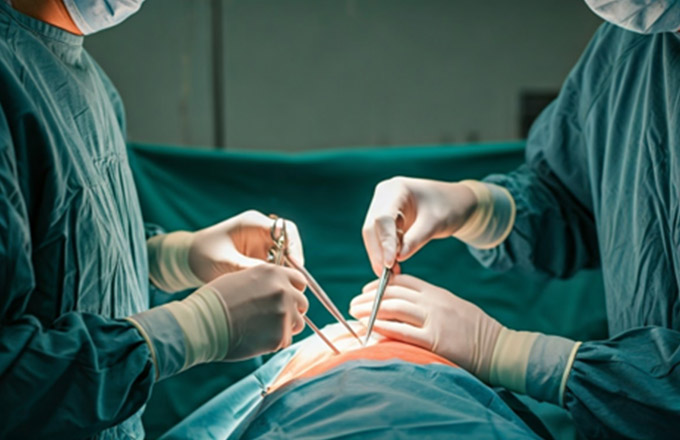
In spinal fusion surgery, accuracy is very important. The back has a complex structure that can lead to accidental harm to the dura mater.
Patient-specific factors, like current spine problems or delicate tissue, also matter. It is important for both surgeons and patients to understand these risks. This helps them talk about ways to prevent complications and improve treatment results.
Surgical Techniques and Risk Factors
The choice and accuracy of surgical methods greatly affect the chance of dural tears during scoliosis surgery. Sudden movements or too much pressure from tools, along with complicated spinal curvature, raise the risk.
Key risk factors include the patient’s past surgeries, existing spinal problems, and methods used by healthcare providers. Using less invasive techniques can help reduce tissue damage and improve recovery after surgery.
- Primary Risk Factors: Curve severity and instrument mishandling.
- Preventative Measures: Dependence on real-time imaging and monitoring tools.
Surgeons with special skills use plans to lower risks. They focus on pre-surgery planning and adjusting corrective steps in the operating room.
Patient-Specific Factors Contributing to Dural Tears
Individual patient conditions have a big impact on the chance of problems like dural tears. Many factors matter, like age, how severe the spinal curvature is, and if there is fragile tissue.
Some patients face extra challenges because of progressive scoliosis, which can make surgery harder. Also, medical issues like osteoporosis or connective tissue disorders raise the risks during corrective procedures.
To ensure good spinal health and quality of life over time, it is important for patients to work with their surgeon. By adjusting surgical methods to fit each person’s needs, we can reduce risks and help with better recovery outcomes.
Implications of Dural Tears
Dural tears during scoliosis surgery can cause serious problems for patients. Right away, there might be a leak of cerebrospinal fluid. This can lead to headaches and higher risks of infection. In some cases, the patient may need more surgery or a longer stay in the hospital. Over time, these issues can harm spinal health, leading to more back pain and problems with nerve function. These incidents can mess up recovery from surgery and may lower quality of life. To reduce these risks, good management is very important for people having spinal fusion or other corrective surgeries.
Immediate Effects on Patients
Experiencing a dural tear during scoliosis surgery can affect patients right away. They might feel symptoms like numbness, weakness, or loss of sensation. This happens because the spinal cord can get irritated. It can also make any pain they already have worse and make moving harder. It is very important for healthcare providers to closely monitor patients in the operating room. This way, they can quickly handle any complications. Sometimes, these quick actions might need extra surgical methods. This shows how important it is to be prepared and have skilled staff to manage these problems well.
Long-term Consequences for Spinal Health
Prolonged effects on spinal health after a dural tear during scoliosis surgery can be serious. If the spine stability is affected, it may cause abnormal curvature or worsening of the condition. This can impact posture and function. Issues with spinal cord integrity can raise worries about future complications, such as numbness or weakness in the arms and legs. Early treatment and close monitoring can help reduce these risks. It is crucial to have rehabilitation plans that fit the individual condition and improve quality of life. It is important to be aware of these long-term effects to get the best results.
Preventative Measures for Dural Tears
To prevent dural tears during scoliosis surgery, careful pre-surgical planning is very important. The latest techniques used by orthopedic surgeons play a big role. A complete physical exam looks at the patient’s specific needs. This helps create a tailored surgical plan that lowers risks. During the surgery, using advanced technology for monitoring is key. It provides real-time updates about the spinal cord and nearby tissues. Using the right surgical methods can greatly lower the chance of complications. This leads to better outcomes and improves the quality of life for patients having spinal fusion surgery.

Pre-surgical Planning and Techniques
Comprehensive planning is very important for successful scoliosis surgery. Detailed images, like MRIs and X-rays, help check the curvature of the spine. This information helps orthopedic surgeons choose the best treatment options. Advanced methods, like spinal fusion or vertebral body tethering, offer personalized care based on the individual condition of young patients. Involving health care providers in discussions helps address possible risks, such as dural tears. This approach improves preparation for surgery and leads to better results.
Intraoperative Monitoring and Technologies
Advanced monitoring technologies during scoliosis surgeries are very important. They help keep patients safe and make surgeries more precise. Tools like somatosensory evoked potentials (SSEPs) and electromyography (EMG) check how the spinal cord is working in real time. This way, the surgical team can quickly notice any nervous system problems. Also, imaging techniques like fluoroscopy give essential information about where to place metal rods and bone grafts. These new tools not only reduce the chance of complications but also lead to better results. This shows how crucial it is to carefully monitor during the surgical intervention.
Management of Dural Tears During Scoliosis Surgery
Dural tears during scoliosis surgery need quick and careful attention to reduce complications. Orthopedic surgeons usually use several repair techniques. These include stitching the tear or using patches made from synthetic materials or natural grafts. Taking care of patients after the surgery is very important too. This involves watching closely for any signs of cerebrospinal fluid leaks or neurological problems. Managing pain is essential, which includes giving the right pain medication to keep patients comfortable. Healthcare providers also focus on teaching patients and their families about signs and symptoms that should be checked further. This helps enhance recovery outcomes.
Surgical Repair Methods
There are different methods used to fix dural tears during scoliosis surgery. These methods are designed to protect the spinal cord and help with recovery. One common way is to carefully sew the dura back together to make it strong again. This helps keep the spinal nerves safe. Sometimes, doctors use a graft made from tissue or synthetic materials to help the repair. By using these techniques, the chance of infection and fluid leakage is lower. This can lead to a better quality of life for the patient and make the healing process easier.

Post-operative Care and Monitoring
Effective care after scoliosis surgery is very important for a good recovery. Managing pain is essential. Patients should get the right pain medication. This helps them move and start their rehabilitation. Health care providers carefully check for signs of infection, spinal fluid leaks, or any complications related to the surgery. Regular visits to an orthopedic surgeon are important. These check-ups may include physical exams to see how well the patient is healing. The surgeon may also suggest specific exercises. Working together with a physical therapist can greatly help with recovery. This leads to a better quality of life for people after their surgery.
Recovery Process After a Dural Tear
Recovering from a dural tear needs a specific plan. You may start with short-term goals, which could mean more monitoring and changes in how you manage pain. Patients usually get advice to move gradually. This helps the healing process and can ease back pain.
For long-term recovery, focusing on flexibility and strength training is important. A physical therapist will guide you in doing the right exercises. These exercises can improve spinal health and help with posture. They also lower the chance of complications. Keeping in touch with health care providers is key. This way, they can adjust your plan based on your own progress through recovery.

Short-term Recovery Expectations
Expectations in the early recovery stage after scoliosis surgery can differ for each person and depend on the type of surgery done. Patients usually feel some back pain. Healthcare providers will help manage this pain with specific pain medication plans. It is important to monitor patients after surgery to catch any complications, like infections or spinal fluid leaks. Physical therapists often start rehabilitation not long after surgery to help with movement and healing. Keeping good hygiene and caring for wounds is vital for the best recovery. This can lead to a better quality of life later on.
Rehabilitation and Long-term Outcomes
Rehabilitation after scoliosis surgery is very important, especially if there was a dural tear. It helps in restoring spinal health. A physical therapy program that is designed for each person often aims to improve strength, flexibility, and posture. This helps with any imbalances that were caused by scoliosis or complications from the surgery. As people recover, regular check-ups with healthcare providers are needed. These check-ups help monitor how well they are doing and allow for changes to the treatment plan.
Most of the time, the long-term results are good. However, they depend on the individual condition of the person. Some might feel less back pain and their quality of life may improve. Others may struggle with ongoing issues like chronic pain or limited mobility. These individuals often need continued support.
Risks Associated with Untreated Dural Tears
Undiagnosed or untreated dural tears can cause serious problems with the nerves. This could lead to paralysis or changes in sensation. When cerebrospinal fluid leaks, it raises the risk of infection, which may result in meningitis. Additionally, untreated tears might cause long-lasting pain and disability. This can seriously affect a person’s quality of life. It may also worsen the curvature of the spine, making future treatment options more difficult. Young people with severe scoliosis could face serious consequences. It is crucial for health care providers to closely monitor them to support their recovery and maintain good spinal health over time.
Neurological Complications
Neurological problems can be a big concern during and after scoliosis surgery. Issues with the spinal cord or nerve roots can cause symptoms like paralysis, numbness, and bladder control problems. Because spine surgery is complex, even small mistakes can lead to serious issues for patients. This can affect their quality of life. It is important to monitor patients closely after surgery. Finding these complications early can help improve recovery and rehabilitation. This helps in having a better outcome in the future.
Potential for Chronic Pain and Disability
Chronic pain and disability can be major problems after a dural tear during scoliosis surgery. Damage to the spinal cord may happen during such events. This can result in long-term neurological issues. Patients might feel ongoing numbness or have bladder problems, which affects their quality of life. Managing these symptoms with pain medication and rehabilitation is very important. Health care providers need to watch recovery closely. They should ensure that treatment is given quickly to reduce the serious risks caused by delays, like the chance of permanent impairment.

Click on the Scoli-Fact to see the rest of the Scoliosis Facts!
Conclusion
The process of going through scoliosis surgery, especially when it involves dural tears, shows how important it is to plan carefully before surgery and to take good care afterward. Every person’s individual condition needs special plans to reduce risks and improve recovery results. Knowing about possible complications, watching for any nerve issues, and managing pain well are all essential for keeping a good quality of life. Support from health care providers, like orthopedic surgeons and physical therapists, is crucial for helping patients get better. This care helps patients regain their function and feel confident as they work toward recovery.
Frequently Asked Questions
What are the signs that a dural tear has occurred during surgery?
Signs that there is a dural tear during surgery can be sudden changes in cerebrospinal fluid pressure. You might also see clear fluid leaking from the incision site. There can be signs of neurological deficits, like numbness or weakness. Also, imaging done during the surgery may show unexpected results that suggest a dural breach.
Can dural tears heal on their own, or is surgery always required?
Dural tears usually do not heal by themselves. If they are not treated, they can cause problems later. Surgery is often needed to fix the tear and avoid more issues. The method used may change depending on how serious the tear is and other factors about the patient.
What are the latest advancements in preventing dural tears during scoliosis surgery?
Recent improvements in stopping dural tears during scoliosis surgery include better imaging methods before surgery. There are also newer surgical techniques that limit damage to the tissue. In addition, real-time monitoring during surgery has become more common. These advancements aim to lower the chances of complications and help patients have better results from the surgery.
How do I know if my surgeon is qualified to handle potential complications like dural tears?
Make sure your surgeon is qualified to handle problems like dural tears. You should check their credentials and look at their experience in spinal surgery. Also, consider their success rates. Ask them how well they know techniques for dealing with dural tears. Don’t forget to learn about how they care for patients during emergencies.
Are there any lifestyle changes or treatments I should follow post-surgery to aid in recovery from a dural tear?
After surgery, it is important to eat a balanced diet full of nutrients. This will help with healing. Light exercise and any recommended rehab exercises can help you move better. Make sure to listen to your surgeon about your medicine, how to handle pain, and keeping regular check-ups. This way, you can keep an eye on your recovery and quickly deal with any complications that come up.
What support resources are available for patients experiencing complications after scoliosis surgery?
Patients who have complications after scoliosis surgery can find many support resources. These resources include specialized healthcare providers, patient advocacy groups, online forums, and educational materials. They can help with managing symptoms and recovery. They also offer emotional support during tough times.


