

Here are the main things you should know about scoliosis and using a brace:
Doctors ask for bracing when teens’ spines curve between 25 and 40 degrees and they are still growing. Bracing is generally recommended for these moderate curves, but it is not considered effective for all degrees of scoliosis curvature. For milder curves, observation may be sufficient, while severe curves above 40 degrees often require other treatments such as scoliosis surgery.
Doctors ask for bracing when teens’ spines curve between 25 and 40 degrees and they are still growing. The big reason for using a brace like the Boston brace is to stop curve progression and avoid potential surgical intervention. A brace does not fix the curve, but it helps keep it from getting worse. Bracing is most effective for moderate scoliosis within this range; it is generally not recommended for mild curves or very severe curves, as its benefits diminish outside these degrees of curvature.
The big reason for using a brace like the Boston brace is to stop curve progression. A brace does not fix the curve, but it helps keep it from getting worse.
If teens wear their brace the right way for a long period, they can often stop curve progression and skip surgery. But scoliosis will be with a person all through life, so most people need to keep their spinal curvature at a level they can live with as adults by wearing their brace for the recommended number of hours.
- Doctors say that kids and teens who are still growing and have a spinal curvature between 25 and 40 degrees may need a brace.
- A Boston brace is the most used option. The main goal of this spinal brace is to stop curve progression. It does not work to change or correct the curve.
- Things like age, how mature the bones are (skeletal maturity), and how fast the spinal curvature gets worse matter when making choices about scoliosis treatment.
- There are new ways to care for your back instead of using only a brace. Options include physical therapy and the ScoliSMART approach. These focus on specific exercises to help manage scoliosis.
- Getting help early is important if you want the best outcome. It can sometimes mean you might not need invasive treatments later.

Introduction
If you or your child finds out about having adolescent idiopathic scoliosis, you may feel unsure about what comes next. You might want to know when bracing will be needed. This guide is here to help you understand what scoliosis treatment is. It also covers the basics of the condition and explains both the old style of bracing and newer ways that do not use a brace. You will read about when doctors may say it is time to wear a brace. You will also learn how targeted physical therapy and other steps can help. This way, you can feel ready to make good choices for you and your family when dealing with idiopathic scoliosis.
Understanding Scoliosis and the Role of Bracing
Scoliosis is not just about having a curved spine, specifically a lateral curvature of the spine. It is a condition that can change the way a person stands and feels. It can also affect day-to-day life. For many scoliosis patients, their biggest worry is stopping curve progression. This is most important when someone is a teen.
Traditional treatment options for spinal curvature often use a brace. A brace holds the spine in place and helps stop it from getting worse. To find the right path for you, it helps to know how scoliosis is defined, what causes it, and how a doctor will find it. Let’s look at these important facts, including insights from the Scoliosis Research Society, to help you understand more about spinal curvature and treatment options.
What Is Scoliosis? Key Definitions for Parents and Teens
Scoliosis is when the spine bends to the side. A healthy spine should be straight, but here, it forms an “S” or “C” shape. A curved spine might not be the same for everyone. It could be mild or much more obvious. A scoliosis doctor checks how much the curve bends by measuring it in degrees. This helps them decide how bad it is.
This type of change in spinal alignment can show up on the body. Sometimes, you can see that one shoulder or one hip is higher than the other. A lot of the time, people find out about this condition in childhood or when they are teenagers. It often gets noticed when someone is growing quickly, because the spinal curve can get worse fast at that time.
Understanding this definition is the base of your journey. It helps you see why your doctor is watching the curve in your back. You also get to know what your doctor wants to reach with any treatment you get. This is all about keeping the curve under control and taking care of your spinal health for the future.
Causes and Types of Scoliosis in the United States
You may ask what causes scoliosis. The most common type of scoliosis in the United States is called idiopathic scoliosis. This means that doctors do not know the exact reason for it. About 80% of all cases are this type of scoliosis. It often shows up in healthy children.
Adolescent idiopathic scoliosis is the most common type. You will usually see this in kids from 10 to 18 years old. There are other kinds, but they are not seen as often. These kinds are congenital scoliosis, which a baby is born with, neuromuscular scoliosis, which is from another health issue, or adult scoliosis. Adult scoliosis shows up later in life because of spine wear and tear, and there are other key factors influencing its development.
For parents and teens, it is good to know the type of scoliosis. This helps the healthcare team make a plan that fits you best. The focus is mostly on how to keep the scoliosis from getting worse, no matter what caused it.
Common Signs and Symptoms Indicative of Progression
Early detection of scoliosis can greatly improve management. Some spinal curves are hard to spot, but there are key signs to watch for:
- One shoulder is higher or sticks out more than the other (uneven shoulders).
- The waist appears uneven, or one hip is higher.
- The head is not centered above the pelvis.
- When bending forward, the spine curves to one side.
- Back pain may occur but isn’t always an early sign in young people.
If you notice these signs, consult a scoliosis specialist. The doctor will assess whether the curve is worsening and recommend next steps.

How Scoliosis Is Diagnosed: Tools and Criteria Used by Specialists
When you see a scoliosis doctor, they often follow a few steps to make sure they spot the problem. The doctor will start with a checkup. They will look for things like uneven shoulders or uneven hips. They may also watch your child’s back as they bend over. This is to help the scoliosis doctor see any changes in the shape of the back.
If a doctor thinks you might have scoliosis, they usually do an X-ray next. The X-ray helps the doctor see your spine clearly. This test shows the shape of your spinal curve. The doctor can also measure how much your spine curves. They use something called the Cobb angle to do this. The Cobb angle tells in numbers how curved your spine is. The doctor looks at this angle first to confirm a diagnosis of scoliosis and see how bad the scoliosis is.
Along with looking at the Cobb angle, your specialist will check your child’s skeletal maturity. This means they will see how much more your child has to grow. This can tell the specialist about the chances of curve progression. It also helps decide what treatment plan is best for your child. By doing this, they make sure the plan matches your child’s stage of growth and spinal alignment.
Predicting Scoliosis Progression and Bracing Decisions Using Genetics and Technology
As our understanding of scoliosis continues to evolve, the integration of genetics and advanced technological tools offers promising avenues for predicting the progression of this condition. Recent studies have highlighted specific genetic markers that may indicate the likelihood of curvature worsening over time. These insights allow healthcare providers to make more informed decisions, potentially identifying patients who are at a higher risk of requiring bracing. Moreover, innovations such as 3D imaging and artificial intelligence are revolutionizing how we assess spinal curvature and monitor changes over time. By harnessing these technologies alongside genetic data, practitioners can tailor treatment plans more effectively, ensuring timely interventions that can mitigate the severity of scoliosis and improve patient outcomes. Understanding these complex interactions is crucial in optimizing bracing decisions and ultimately enhancing patient care.
When Is Scoliosis Bracing Recommended?
Choosing to use a scoliosis brace is an important part of scoliosis treatment, especially regarding brace wear. Most doctors suggest a brace when a child has a moderate curve and is still in a growing stage. This is the time when curve progression can happen the most. A Boston brace or any other traditional brace will not fix the curve. The aim of the brace is to keep the curve from getting worse.
But the curve’s size is only part of it. There are other things to think about too. We will look at what these are and why they matter. A ScoliSMART doctor will help you learn about all your options. This includes other choices besides wearing a brace.
Introduction to the Cobb Angle: Measuring Curve Severity
The Cobb angle is the main way to measure a spinal curve in scoliosis. Your doctor checks a spinal X-ray and finds the vertebrae that tilt the most at the top and bottom of the curve. They draw lines along these bones and measure the angle where the lines meet. This angle, in degrees, known as a higher Cobb angle, is called the Cobb angle.
This measurement is very important for your healthcare team. It gives them a clear way to say how serious the scoliosis is. They use it to see if the curve is mild, moderate, or serious. This also helps them check curve progression as time goes on.
Keeping an eye on the Cobb angle on a regular basis helps your doctor know if and when you need help with any potential health problems. This one number is very important when making a plan for your scoliosis treatment. It helps your doctor know if you need to just watch and wait, use a brace, or try some other ways to manage the curve.
Degree Thresholds for Bracing: What Doctors Look For
Doctors use the Cobb angle to help pick the right scoliosis treatment. Every case can be different. But there are some rules people use, based on how bad the curve is. Bracing is used a lot for moderate scoliosis in a child who is still growing.
For curves under 25 degrees, most people just need to be watched by a doctor. You will have regular check-ups to see if the curve progression is getting worse. If the curve is between 25 and 40 degrees, you will likely use a Boston brace or a similar device, which has a proven success rate in helping to stop curve progression. Curves that are over 50 degrees usually are recommended for surgery.

Additional Factors That Influence the Decision to Start Bracing
The Cobb angle is an important measure when talking about scoliosis treatment, especially as it helps to indicate the potential for further curve progression. But it is not the only thing doctors look at. They also think about other things to help understand your child’s scoliosis better and decide if bracing is the best way to go.
A specialist will look at:
- Skeletal Maturity: How much growing does your child still need to do? Bracing works best during growth spurts, because this is the time when the curves may get worse the most.
- Rate of Progression: Is the curve getting worse very fast? A curve that goes up more in just a short time makes it more likely that your child will need help.
- Curve Location and Pattern: Where the curve is in the spine can help decide what will work best, like the type of brace or if physical therapy should be used.
- Quality of Life: You also need to think about how wearing a brace might change your teen’s daily life and how it may affect the way they feel about themselves and their quality of life.
Early Signs That Might Signal a Need for a Back Brace
If your child has mild scoliosis, you may just need to watch and wait for now. Still, you should know what signs mean it’s time for more scoliosis treatment. The biggest sign is if there is curve progression. This means your doctor checks an X-ray and sees the Cobb angle is getting bigger between visits. If the Cobb angle gets larger, this shows that it may be time to start treatment for scoliosis.
As scoliosis gets worse, you may see more changes in the body even without X-rays. For example, you may notice uneven shoulders or one hip looks higher. Clothes might not fit as well as they did before. In some cases, skin irritation or back pain can get worse, though this is not very common in teens. These signs could mean that the curve is starting to have a bigger effect. Look out for changes like uneven shoulders and more back pain.
Seeing these changes does not always mean that you will need a brace. But it is important to talk about the risk of progression and curve progression with your doctor at this time. Your doctor will look at all the facts. They will help you know if bracing or another way will be the best to slow curve progression.
Featuring “Replace The Brace” by Dr. Clayton J. Stitzel
For families who want other options besides the usual braces, there are new ways to try. A good place to start is the book “Replace The Brace: A Modern Guide To Non-Bracing Scoliosis Care,” by Dr. Clayton J. Stitzel, The Scoliosis Doctor. This guide questions common scoliosis care methods like “watch-and-wait” and using braces.
It gives a way to deal with your curve before it gets worse. The ScoliSMART Method is at the heart of this plan. Dr. Stitzel talks about how you can work toward curve reduction. He also tells you how to stop curve progression without using a brace. Let’s see what you get with this book.
“Replace The Brace” is for parents who want to help their child with scoliosis and potential back problems. The book is written by Dr. Clayton J. Stitzel, a top scoliosis doctor. In this book, he talks about why parents should not just wait and watch and points out why bracing may not be enough.
Dr. Stitzel founded ScoliSMART and has dedicated his career to non-surgical, brace-free scoliosis rehabilitation treatment. He is an expert in idiopathic scoliosis, focusing on underlying causes like genetics, hormones, and nerves rather than just the spinal curve itself.
His book simplifies complex concepts and introduces new treatments such as the ScoliSMART Boot Camp, where patients work with a doctor and follow specialized exercises for lasting curve reduction and improved stability. Dr. Stitzel’s goal is to offer hope and a clear plan for families seeking alternatives to traditional care.
“Replace The Brace” emphasizes that scoliosis affects the whole body, not just the spine. Bracing alone doesn’t address the root cause of curve progression. Instead, ScoliSMART’s “auto-correction” program uses targeted exercises to retrain the brain and muscles to naturally support and straighten the spine by building new muscle memory.
The book also encourages early intervention with genetic testing, nutritional support, and personalized exercise programs. By starting treatment early, families can create a proactive, individualized plan for better long-term results.

Discover hope, science, and real solutions—explore The Scoliosis Doctor series on Amazon and start transforming your scoliosis journey today! Download the Kindle app on your mobile device for free! Get it for iPhone. Get it for Android.
Insights on Non-Bracing Scoliosis Management
“Replace The Brace” gives a close look at how treating scoliosis without a brace can help. This way is different from typical physical therapy. It uses a very focused exercise program, made just for people with a scoliosis spine. The ScoliSMART Method is the main part of this plan.
This way helps people build new and straighter posture habits by doing specific activities. The book says that good non-bracing management means you need to:
- Neuro-Muscular Retraining: This uses specific exercises to help train the part of the brain that handles your posture.
- Nutritional Support: This looks at things like genetics or chemicals in your body that may make curve progression worse.
- Targeted Exercise Programs: You do activities, often by using the ScoliSMART Activity Suit. This is done to help make the curve less.
These insights show that you can do more than just “watch and wait.” This way, you can help with pain relief, help fix posture, and help families feel more in control while dealing with scoliosis.
Patient Experiences and Results Shared in the Book
One of the best things about “Replace The Brace” is the group of stories from patients. The book talks about real kids and teens who did not wear a brace. They tried a new way and got great results. These stories help people feel there can be hope. They also show what you can do if you try another way.
You’ll read stories about people who went to a ScoliSMART scoliosis boot camp. They saw big changes in their Cobb angles in a short time. These stories show that their spinal alignment got better. You will see they also had a better quality of life and more confidence. Many could join in activities again without a brace holding them back.
When you read about these experiences, the book lets you picture a new path for your scoliosis journey today. It talks about how bracing can give results that do not last long. But retraining your body’s own systems can help you get steadier and better change for a long time.
Types of Scoliosis Braces Used in Pediatric Care
If bracing is the right choice, you should know that not every scoliosis brace works the same way. The type of scoliosis brace your doctor suggests will depend on your spinal curvature. They will look at where the curve is and how bad it is. Your doctor will pick the best brace, as the most important thing is to hold your spine and stop the curve from getting worse.
Common choices include rigid, full-time braces such as the Boston brace, and braces that you wear only when you sleep. Every brace works by putting pressure on certain spots to help the spine grow in a better way. Here’s a look at the types you will see the most and what makes them different.
Overview of the Most-Recommended Braces in the US
In the United States, some types of scoliosis brace are used more often than others. Your doctor will suggest a scoliosis brace that fits your child’s specific needs. Most of the time, you will hear about one of these common options.
Each brace works in its own way, but they all try to stop curve progression. Some main braces that people use are:
- The Boston Brace: The Boston brace is a common type of brace. It is made from hard plastic. It wraps around the middle part of the body and fastens in the back.
- The Rigo-Cheneau Brace: This is a brace made just for the person who needs it. It works in three different ways to help straighten the back. It also helps to turn the spine to a better position.
- Nighttime Braces: Nighttime braces like the Providence brace are used only when sleeping. They help with some kinds of spine curves.
The Boston Brace was made at Boston Children’s Hospital. It has been a standard for many years. New styles, like the Rigo-Cheneau, now give a more made-to-fit feel. The boston brace and other choices may help depending on what you need.
How Brace Design Varies Based on Scoliosis Location and Severity
The design of a scoliosis brace is different for each person. It is made to fit your child’s own spinal curvature. The part of the back where the curve is—whether that is the upper (thoracic), lower (lumbar), or middle (thoracolumbar)—is very important for how the brace will be made.
For example, a brace that is made for a thoracic curve will have pressure pads in different spots compared to a brace for a lumbar curve. The main goal is to put gentle and steady pressure on the outside of the curve. This helps support a straighter spinal alignment. How bad the curve is will also matter. A bigger curve may need a stronger brace. It might also need a brace that gives better support. The orthotist is a specialist who makes these braces. He or she will use X-rays and careful measurements. This will help them make a brace that puts pressure in the right spot, so it works well for your child’s spine.

Click on the Scoli-Fact to see the rest of the Scoliosis Facts!
Comparing Rigid, Dynamic, and Nighttime Braces
There are a few main types of scoliosis braces. Each one helps with scoliosis treatment in its own way. Knowing how they are different can help you talk to your doctor in a better way.
The main categories are:
- Rigid Brace: This is the type most people use. A good example is the Boston Brace. This brace is made from a hard plastic. It is made to keep the spine firm and straight. People usually need to wear it for 16 to 23 hours each day.
- Dynamic Brace: Not as many people use these. These braces can bend more. They let you move a bit. They still give support to help the spine get better. The goal is to guide the spine into the right spot as you go through your day.
- Nighttime Brace: This is also a rigid brace. It is made to be worn when you are lying down. It gives a stronger push to correct the spine than a daytime brace. You only wear it at night, for 8 to 10 hours.
The one you pick will depend on the type of curve, how bad it is, and your family’s daily life and what they like.
The Process of Getting Fitted for a Scoliosis Brace
Once the scoliosis doctor of your choice says your child needs a scoliosis brace, the next thing to do is get the brace fitted. A specialist called an orthotist will do this job. At the first meeting, the orthotist will take careful measurements. This helps make sure the scoliosis brace fits your child’s body the right way.
With these measurements, the orthotist makes a custom brace. This work can take a few weeks. After that, you come back for a fitting. At this visit, the orthotist will adjust the brace to make sure it is comfortable. The goal is to have the brace press in the right spots. Sometimes, you will have to go to a few more visits. This helps make the fit better.
A proper fit is key for the brace to work well. It should also feel as comfortable as it can. The skill of the orthotist can make a big difference in how well the treatment works. So, it is good to work with someone who has experience.
Alternatives and Complements to Scoliosis Bracing
Bracing, such as the Milwaukee brace, is not the only way to help manage scoliosis. Many families want to try other ways and different kinds of treatments. This gives people the chance to be more involved and take care of the whole body. These other methods can be used alone if the curve is not big, or they can be used with other treatments at the same time.
From physical therapy and specific exercises to good nutritional support, these methods work on the whole body, not just the spine. The ScoliSMART approach program brings all these parts together in one full plan that does not use bracing. Let’s look at how these other choices can help your child feel strong.

Early Intervention Exercises and Physical Therapy
Instead of only watching and waiting, you can do something with early exercises. These are not like the regular physical therapy you might know. A scoliosis-specific program helps with the way a curved spine works. The main aim is to help your brain and muscles work together. This can help hold the spine in a more straight line.
This process helps the body build core strength and new muscle memory. With this, your body can start to fix its posture on its own. A boot camp, like a ScoliSMART Boot Camp, can speed up how fast you learn this. These programs often have:
- Balance and coordination training
- Breathing exercises to help move the spine back into place
- Exercises that help the spine straighten on its own
For a lot of people, this exercise program can help them deal with a mild curve early. It may also help them not need to wear a brace in the future.
Nutritional Support and Functional Medicine
A modern way to help with scoliosis care does not just focus on the spine. It also looks at how the whole body works. A lot of experts now think that things like functional medicine and nutritional support are very important. This new way knows that scoliosis can get worse because of other things in the body, like hormone problems or things you get from your family.
By doing certain tests, a specialist can find out if there are any problems that might make the curve worse. With these results, a plan for nutritional support can be made. The plan may use special supplements or changes to what you eat to help your body work well.
This way of helping the body’s inside can support the spine and keep it more stable. It gives you another way to be active in your health. With this, you can feel better and make your quality of life higher as part of your scoliosis care. It can work well when used with other steps in your plan.
ScoliSMART Method: A Modern Non-Bracing Approach
The ScoliSMART approach is not like regular braces for managing the rest of the scoliosis. It is a full plan that does not use a brace. This method is based on the idea that you can help make a spinal curve better by teaching the brain and the body new ways to move. The ScoliSMART Method lets you take action and feel more in control of your scoliosis, instead of just waiting and wearing a brace.
This program was made by a ScoliSMART doctor. It brings together a few important steps. The program includes a special exercise program that helps build new muscle memory. This muscle memory can help you stand or sit straighter. The program also gives you nutritional support for better results. This support is based on your genetic test results. Together, these steps can help with the curve progression and get to the things that cause it.
This proactive approach is meant to not just keep a curve from getting worse but also to help fix it for good. The whole ScoliSMART program is made to give people a non-invasive and good choice, including a no cost phone consultation with a ScoliSMART doctor of your choice for guidance. It is for families who want to do more for their kids. You do not just have to wait and see or count on a brace when you can try this program.

Can Early Treatment Prevent the Need for a Brace?
This is a big question for many parents, and the answer is often yes. Early detection of scoliosis gives you a chance for proactive management to help your child sooner. If you find a mild curve early, you can start a treatment plan right away. This can make a big difference and may stop your child from needing a brace.
You do not need to wait for curve progression to get worse. You can start a scoliosis-specific exercise program early. This type of program is more focused than general physical therapy. It is made to help stop curve progression. A specific exercise program can help steady your back and may also lower the curve. By making certain muscles stronger and teaching your body better posture, you face the issue right away.
While there is no promise, starting early and working all the time with a good program can help your child deal with their curve in the best way. This active approach can make it easier to keep the cobb angle under the level where most doctors usually tell you to use bracing.
Genetic and Lifestyle Factors Influencing Scoliosis and Bracing
Your family’s health history and what your child does each day can matter when it comes to scoliosis. Studies now show there is a strong link between genetics and the risk of curve progression. Knowing this can help your scoliosis doctor pick the best treatment options for your child. Lifestyle choices, like what you eat and the physical activities you do, are important. A full plan will look at all these things to help make the best plan for you. This could be with bracing or without it. Next, let’s see how these points can affect what treatment you get.
The Impact of Genetics on Curve Progression Risk
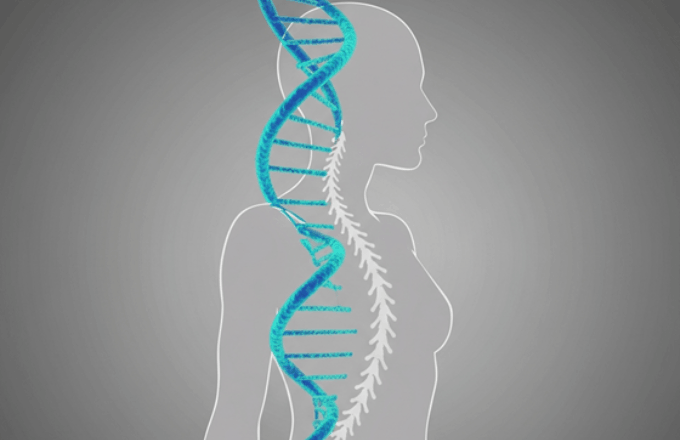
We now know that genes are important when it comes to idiopathic scoliosis. This problem is not passed down in the same way as eye color. But, some gene markers can make a person more likely to get idiopathic scoliosis, and their spinal curve can also get worse because of that.
For scoliosis patients, it is good to know about your genes. A test can show if you have things in your genes that may lead to curve progression. When doctors know this, they can see which small curves may get worse. This helps them act sooner and with better plans for you.
Knowing about this risk can change how we talk and plan for care. Instead of waiting and watching, people can act early. If a child has a high-risk genetic profile, the doctor may ask them to begin an exercise program. They might also suggest getting nutritional support. Starting these things earlier could help stop the need for braces before the curve gets worse.
Family History and Its Role in Treatment Decisions
A scoliosis doctor will want to know about your family history right away. There is a good reason for this. If your child has a parent, brother, sister, or another close relative with scoliosis, there is a higher chance that the curve in your child’s back could get worse. This does not mean it will happen for sure, but it is something important to think about.
When it comes to severe scoliosis management, the doctor looks at family history. If a child has a mild curve and their mother or older sister had a curve that got worse over time, the doctor may want to see the child more often. The doctor might also suggest starting treatment sooner.
This information gives a better idea of your child’s own risk factors. It lets doctors use a care plan that fits your child. This means treatment choices are not just based on the X-ray right now but also on what might happen with the curve in the future.
Physical Activity, Nutrition, and Their Role in Scoliosis Care
Lifestyle choices such as being active and eating well can help a lot with scoliosis care. They can help your spinal health from the inside out. These habits also work well with any treatment you pick. In most cases, it is good for kids with scoliosis to stay active.
Not all exercises are the same. It is important to pick exercises that help make your muscles strong and keep your posture good. A few things that make up a healthy way of living are:
- Targeted Exercise: Do some specific exercises for scoliosis. These can help retrain posture.
- Balanced Nutrition: It is good to have foods with the right nutrients. These can help keep bones and muscles strong. Some programs also tell people to get extra nutritional support for any body imbalances.
- Mindful Movement: Activities like yoga or Pilates can help with body flexibility and awareness. People with scoliosis should change these exercises to fit their spine.
These lifestyle choices help you take control of your scoliosis. They also support your spinal health for a long time.
The Importance of Personalized and Holistic Care Plans
There is not one answer that works for everyone with scoliosis. Every person’s spine is unique, and every patient is different too. This is why a care plan that is made just for you matters. A good plan takes the whole person into account, not just the curve that shows up on an X-ray.
A holistic care approach looks at everything that may affect your child. This includes the curve pattern, your child’s age, and how their bones are growing. It also looks at genetic risk factors and the way they live every day. A scoliosis doctor who works like this will make treatment options that are right for your child’s specific needs and what your family wants.
This could mean the doctor will suggest a certain brace, an exercise program, nutritional support, or more than one way to help. A plan that fits your child well and looks at all parts of their health gives them the best chance to get better.
What to Expect During Scoliosis Bracing Treatment
If you have a scoliosis treatment plan that includes wearing a scoliosis brace, you may wonder what your daily life will feel like. It is normal to need some time to get used to the brace, for your body and mind, especially to manage any physical discomfort. The scoliosis brace will be part of your day-to-day life, but it does not have to be the only thing you think about or feel.
Success with bracing is not only about having the brace on. You need to get used to it, take your time, and have good support from your family and friends. Teens and their families need all this. We will talk about what will happen during bracing. You will learn how to adjust to the brace and know when the treatment will end.

Adapting to Daily Life with a Brace
Getting used to a scoliosis brace can take some time. In the first few weeks, your body needs to get used to the feel and pressure of the brace, and some people may experience side effects. A lot of people find that it gets more comfortable when they wear it often.
You will soon find out how to use the brace in your daily activities. Most braces fit under your regular clothes, so you can decide if you want to tell anyone. You can still do most of the things you like, and you might even be able to play sports. Your doctor may tell you to take the brace off for physical activities. Put it back on right after you finish.
The brace helps you remember to keep better posture. You will feel the pressure and this will make you sit or stand in a better way. It might feel new at first, but you can get used to it and live your life. Using the brace is simple and it will help you feel better over time and improve your quality of life.
Emotional Support and Tips for Teens and Families
The way you feel when you wear a brace matters just as much as what’s happening to your body. It’s normal for teens to feel unsure or upset. Talk openly with others and have good support. This helps you with the scoliosis journey today.
Families can help when they are patient and show that they understand. Listen to your teen and let them know you see how they feel. Try to work together for the best results when there are problems.
To get the best results, do these things:
- Talk Openly: The best way is to help your teen feel free to talk about their feelings. If they talk to friends about wearing the brace, it will feel less like they have to hide it.
- Find Support Networks: Try to meet and talk with other families who are dealing with this too. Knowing you are not alone can help a lot.
- Focus on the Goal: Remember, wearing the brace will not last forever. The purpose is to help avoid surgery in the future, which is a good thing for your teen.
How to Know When It’s Time to Stop Wearing a Brace
One question many people ask about braces is, “How long do I have to wear it?” The amount of time you need to use the brace mostly depends on your growth. The main reason for the brace is to help guide the spine while you grow. Because of this, you wear it until you are almost at skeletal maturity.
The doctor of your choice will check your growth every time you go in. They often use X-rays of your hand or hip for this. This shows the doctor how much growing you have left. When you stop growing, the brace has done what it is supposed to do. At this point, the risk of curve progression goes down a lot.
When you reach that stage, your doctor will make a plan to slowly cut back on the time you wear the brace each day. This will help your body get used to not having extra support from the brace. The choice to stop wearing a brace is something you and your doctor decide together. It is part of your long-term scoliosis management plan.
Resources and Support for Families Managing Scoliosis
Getting a scoliosis diagnosis can feel like a lot to take in. But you do not have to face it alone. There is a lot of help and support out there for you on your scoliosis journey today. You can find online groups and get clear facts from healthcare professionals. Reaching out can help you feel strong and supported.
These support networks give you a place where you can talk about your experiences. You can ask your questions and learn from other people who know what you feel. Let’s look at the best places where you can get the information and support you want.

Support Networks and Online Communities
Talking to other people can help a lot with scoliosis management. It feels good to know you are not alone. Other families and scoliosis patients deal with the same problems. This can help you feel less on your own. There are many places online where you can find support networks and groups for people with scoliosis.
These groups give you a place where you feel safe to ask anything, talk about tips, and get support when you feel down. You will see how people deal with different things, like getting used to a brace or how they talk with friends about scoliosis. A few good places to begin are:
- Online Forums: There are websites and social media groups just for scoliosis. They have many people who want to share their stories and help each other.
- Patient Advocacy Groups: These groups run events and offer help for people and families. They give you tools and information you can use.
- Local Support Groups: A doctor or hospital might help you find a group with other people nearby. You can join and meet others facing the same things.
These networks are very helpful when you want real advice. You can also get the support you need from them.
Comprehensive Overview of Scoliosis Bracing
If you want to read more about all your scoliosis treatment options, you should look for a good source. A lot of people use traditional bracing, but you need to know where it works and where it does not. You should also know about other choices you have. A good place to start is treatingscoliosis.com.
The site talks about why using a scoliosis brace for brace treatment to just “hold” a curve may not be the best way to help. It says that the brace often does not stop curve progression. The problem is that the brace does not deal with the real cause of the condition. Because of this, many people still end up needing surgery.
For a complete look at the different treatment options that do not need surgery and work to fix the problem, check out scoliosis bracing at. This page has helpful information if you want a more proactive approach to care.
Conclusion
To sum up, it is good for people and their families to know about the different parts of scoliosis and what things affect bracing. It helps to know key signs to watch for and why having a care plan made just for you is so important. This guide wants to help you understand more about scoliosis treatment. By learning from “Replace The Brace” by Dr. Clayton J. Stitzel, you can read about new ways that put the focus on the whole person with scoliosis care. If you want to keep up to date or learn more about your choices for scoliosis management, we ask you to go to Treating Scoliosis. There, you can get detailed information, tips, and help for this journey. Always keep in mind, knowing what is happening and taking steps can make a big difference with scoliosis care.
Frequently Asked Questions
At what degree of scoliosis curvature do doctors usually recommend a back brace?
Doctors often tell parents to get a back brace, such as the Boston brace, when a child has moderate scoliosis. This is common if the Cobb angle is between 25 and 45 degrees. The main goal of this scoliosis treatment is to stop the curve progression while the child is still growing, but in some cases, spinal fusion surgery may be necessary.
How do doctors track if bracing is working for scoliosis?
A scoliosis doctor checks how well a scoliosis brace works by doing regular checkup visits and taking X-rays. The doctor will measure the Cobb angle to find out if your curve progression has stopped, especially during periods of rapid growth. If your spinal alignment stays steady during the treatment, the scoliosis brace is seen as a success.
Are there ways to manage scoliosis before bracing is needed?
Yes, you can take steps early to manage scoliosis before getting a brace. Early detection is very important. A good exercise program and regular physical therapy help the spine stay stable. You can try the ScoliSMART Method, which works on training your muscles and posture. These methods may help you fight curve progression and could help you not need a brace.
Key Takeaways and Moving Forward in Scoliosis Care
When you are dealing with scoliosis, it’s important to find it early. You need to know how much your spine is curved. You should follow a care plan that fits you. As you go on, you have to go for regular check-ups. Always talk with your doctor and share any changes. This helps you get the best care. It also makes sure things can get better with time. Keep yourself updated and take an active role in your scoliosis care.


