

Key Highlights
- Spinal fusion can help with severe scoliosis, but it comes with limits, risks, and a long recovery.
- Many families now look for scoliosis treatment options that slow down curve progression without using surgery.
- The scolismart program offers a personal exercise program to help retrain posture and support you in daily life.
- Non-surgical care can also help with back pain, help you move better, and give you more confidence in your daily life.
- The best treatment path for you will depend on your age, the size of your curve, your symptoms, and your long-term goals.
- Looking at both surgery and active care will give you a better direction to choose the right care.

Introduction
When you hear that scoliosis may mean you need spinal fusion surgery, it is normal to feel unsure. You want the best scoliosis treatment, especially when considering effective treatment options. At the same time, you want to know what you are giving up, too. Some people with severe curves do need fusion surgery. Still, there are those who want to know if there is a better way first. This guide talks about what spinal fusion surgery does, and when it can help. It also shows where it may not be the best choice, and how new non-surgical care like ScoliSMART now fits into the talk about scoliosis.
Understanding Scoliosis and Its Treatment Pathways in the United States
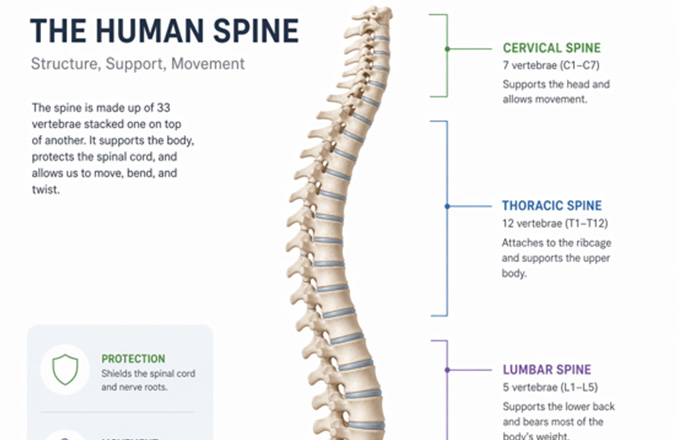
Scoliosis is when the spine has a curve from side to side that is not normal. In the United States, people often hear about it for the first time during a school check-up, a visit to the doctor, or when they see uneven shoulders. A scoliosis doctor will usually look at your symptoms and how you stand, then check your X-rays before sharing the treatment options with you.
For many people, especially those with adolescent idiopathic scoliosis, the big worry is if their spine curves will get worse as they grow. This is why it is important to have a plan early on, including brace prevention strategies. Most families hear about bracing, watching and waiting, or maybe surgery. But now, there are newer active programs, too. The next parts tell more about what these options for idiopathic scoliosis can look like.
Common Types and Diagnoses of Scoliosis
There are several types of scoliosis. The most common is idiopathic scoliosis. The cause is not known for this type. A lot of young people find out they have adolescent idiopathic scoliosis when they grow quickly, usually before puberty. Some people find out about their curved spine much earlier. Others do not know they have this problem until they are adults.
A scoliosis doctor looks for things like uneven shoulders, the body leaning, or changes in posture. The doctor may use X-rays to check the spinal curve. This test shows if the spinal curve is mild, gets a bit worse, or if it is going toward severe curves. The results help the doctor decide what steps to take next.
If you go with active care, ScoliSMART gives you specific exercises instead of regular workouts. There are reflex moves, balance practice, and drills for coordination. You also get to do guided home activities. These are there to help you form new muscle memory. The point is to retrain your posture, not just work on muscles in a basic way.
Why Treatment Decisions Matter for Long-Term Health
The treatment choice you pick now can change your health for many years. If someone watches a curve and the curve keeps moving, this can change how you stand, feel, and move each day later in life. This is why families look for clear treatment options and not guesswork.
For kids and teens who are growing, the biggest worry is often curve progression. Taking action early can help stop the spinal curve from getting worse and harder to fix. Adults may care more about pain, balance, and being able to move around. But, quality of life is as important as what the X-ray shows.
The information shows that the ScoliSMART method helps most people. Nine out of ten patients see their curve get better or stay the same. For young people, the results can be strong. This is because their spine can change as they grow. Adults may feel less pain, stand better, and feel good in daily life. The ScoliSMART method can give pain relief, better posture, and make daily life easier.
Traditional vs. Modern Approaches Overview
Traditional methods often mean looking at the curve, wearing a scoliosis brace, or planning for surgery if the curve gets too big. People have used these ways for many years. These ways can help some people. But, they do not often teach the body how to stay in a better position.
Modern scoliosis treatment is not the same as it used to be. Things are changing in the way doctors help people with scoliosis. A program like ScoliSMART uses active treatment. The goal is not to keep the spine from moving. Instead, it helps retrain how the brain and muscles talk with each other. This helps people stand and move better. Modern scoliosis treatment also helps people work on their posture by using movement.
The information shows that ScoliSMART is different from the Schroth method. ScoliSMART puts more focus on the body’s natural reflexes and not just on fixing your posture on purpose. This new method of scoliosis treatment looks for new ways to help people feel and do well every day.
- The traditional methods often focus on watching, bracing, or surgery.
- The modern treatment options might include specific exercises and doing movement every day as therapy.
- Active treatment works to help posture and slow down curve progression in a more natural way.
- ScoliSMART looks at how the body holds itself without just using muscle effort you can control.
What Is Spinal Fusion Surgery for Scoliosis?
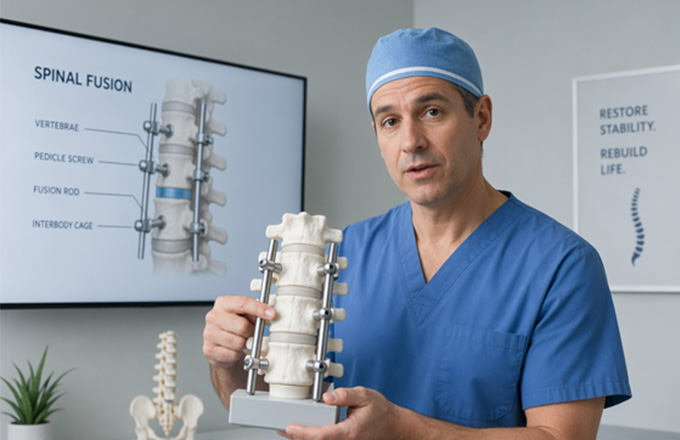
Spinal fusion is a type of scoliosis surgery aimed at addressing the curvature of the spine. Doctors use it to help straighten and hold some spine curves in place. In this surgery, the orthopedic surgeon puts rods and screws on the spine. Then, the doctor joins the vertebrae so they heal and move as one solid part. The main goal is to keep the curvature of the spine from getting worse.
For people who have severe curves in the spine, doctors often suggest fusion surgery as the main choice. This surgery can change the shape of the spinal curvature. But it also means the area that is fused will not move again. You need to know about this trade-off before you decide what to do.
How Spinal Fusion Works to Address Curvature
Spinal fusion surgery helps change the way the spine is shaped. In this operation, the doctor uses rods and screws to move the spinal curvature so it is more straight. After this, the surgeon fuses some vertebrae together. These bones heal and form one solid piece. This stops any future movement in that part of the spine.
This way can be used when curve progression is a big worry, mostly in severe scoliosis. People talk about it often for adolescent idiopathic scoliosis, especially for newer curves, when the curve keeps getting bigger and regular methods are not enough. The main goal is to keep the curve under control and help it stay stable.
ScoliSMART is not like other treatments. It does not fuse the spine. Instead, it works with the body’s natural systems. This program uses specific exercises along with special equipment. It also uses tools like the ScoliSMART Activity Suit. The goal is to retrain posture control. With the ScoliSMART Activity Suit and these specific exercises, people get active correction. There is no need for a permanent fusion, so the spine can still move while getting help.
When Doctors May Recommend Fusion Surgery
A scoliosis doctor may suggest fusion surgery if the curve in your spine is large or getting worse. A doctor can also recommend this when it is hard to manage with other treatment options. Families usually hear about surgery when severe curves keep getting worse, and there is less time to act. At this point, doctors often feel waiting will be more risky than having the surgery.
This suggestion often comes after other types of care have been tried. These can be things like watching, using a brace, or other help for your back. The choice about what to do can feel big. It can change how you feel, how you move, and how you heal. You might ask if you must have surgery or if there is some other way to get better.
The information shows that some people who have bigger or worsening spinal curves may look into a scoliosis surgery prevention program. This way, they can take a more active step. It does not mean that fusion surgery or scoliosis surgery is never needed. But it does show that some families want to try care that does not use surgery first, hoping they can avoid having fusion surgery.
Eligibility Criteria for Spinal Fusion in Teens and Adults
The eligibility for spinal fusion depends on things like curve size, how fast it gets worse, age, and how bad your symptoms are. For teens with adolescent idiopathic scoliosis, doctors may think about this surgery if they are still growing and their curve keeps getting worse. Adults who have adult scoliosis may be checked for spinal fusion if their condition leads to a big drop in what they can do, how they feel, or how stable their back is.
Doctors check everything. They look at what they see during your exam, any X-rays, and if you have tried other ways to feel better. In severe cases, fusion might be the best way to stop the area from getting worse.
Typical eligibility criteria may include:
- A spinal curve that is getting much worse, or is very bad
- Adolescent idiopathic scoliosis while the teen is still growing
- Adult scoliosis with a lot of pain, or when daily life gets harder
- When other treatment options do not seem to help
The information shows that ScoliSMART is often a good choice for people who have mild to moderate curves. It is also good for patients who want active care that does not require surgery.

Cons of Spinal Fusion Surgery for Scoliosis
Spinal fusion surgery is often used to help treat severe scoliosis. It can help stop the curve from getting worse. But the surgery has some real downsides. You are not just fixing the curve. You also have to deal with surgery, the hardware put in your back, and less movement in part of your spine. The long recovery after fusion surgery can change how you manage school, work, sports, and your everyday life.
For some people, the worry is not just about the procedure. They may also think about back pain, problems, or more trouble later because of fusion surgery. Knowing about these limits can help you ask better questions before you make a choice.
Risks and Complications from Surgery
Every surgery comes with risks, and fusion surgery is the same. The main worries are things like infection, problems with the implant, less movement, and long recovery. Even if your doctor says you need fusion surgery for a serious curve, you still need to think about how these problems might fit with your goals and how you live your life.
You need to think about what recovery will be like. Healing takes time. The treatment plan after surgery usually means there will be some limits on what you can do while the spine gets better. This can be hard for both teens and adults.
Common risks and complications may include:
- There can be an infection after surgery.
- Sometimes, there are implant or hardware issues.
- Some people feel back pain or feel some discomfort.
- A person may feel less range of motion.
ScoliSMART is called non-invasive because it uses exercises and does not need surgery or anesthesia. The information shows that there are few risks with this. Some people might feel mild muscle soreness for a short time, but that is the most common side effect.

Click on the Scoli-Fact to see the rest of the Scoliosis Facts!
Limitations on Flexibility and Activity
Spinal fusion can affect how much you move. When you have part of your spine fused, that area does not move like before. This can change how you bend, twist, or do sports and other daily activities. The effect from spinal fusion depends on where in your back the surgery is done, and how many parts of your spine are fused.
This is important because treatment is not just about the curve. It is also about your quality of life. A spine that looks straighter on an X-ray can still have less movement. This can make the person feel less comfortable and less sure about themselves.
Active treatment looks for a new result. The information shows that ScoliSMART uses movement instead of holding you in place. This helps you get better posture and feel good in your body. You can expect several things like better posture, pain relief, good coordination, support with curve progression, and a better quality of life. It lets you do your usual things without much trouble.
Potential Need for Additional Surgeries Over Time
Another thing you need to think about is that spinal fusion may not always solve everything for good. The text points out that implant issues can happen. If there are problems with the hardware or with other things, you may need more surgeries. This is important to keep in mind when you think about the long term.
For families who have a loved one with severe scoliosis, this can make it tougher to decide what to do. You might ask if going through one big procedure will lead to more treatment later on. This is a good question, especially since getting better after surgery is already hard.
Some people first try non-surgical treatment options to see if they help. The information collected talks about ScoliSMART. This is a way that can help manage or stop curves from getting worse. It may help patients avoid spinal fusion in some cases. ScoliSMART is not a quick fix, but it gives a different option before you choose surgery.
Featured Resource – “Skipping Scoliosis Surgery” by Dr. Clayton J. Stitzel
If you are looking for better direction before you make a big choice, “Skipping Scoliosis Surgery: Why Parents and Patients are Choosing Non-Surgical Solutions,” by Clayton J. Stitzel, The Scoliosis Doctor, can be a good place to start. The book is made as a guide for families who feel lost when they are told to just watch a curve, try a brace, or think about surgery. It talks about scoliosis treatment options that are not just the usual plan. If you want the best scoliosis treatment, this book helps show new treatment options. A scoliosis doctor gives this help so you can feel sure about what to do next.
Dr. Stitzel, a scoliosis doctor known for The Scoliosis Doctor series, talks about why more people now look for non-surgical options first. He says scoliosis care should give people hope. It should also use science and show clear next steps. For parents and people with scoliosis who want help, the book shows how active care and knowing your choices can make things better.

Discover hope, science, and real solutions—explore The Scoliosis Doctor series on Amazon and start transforming your scoliosis journey today! Download the Kindle app on your mobile device for free! Get it for iPhone. Get it for Android.
Overview and Key Messages from the Book
The main idea of the book is that your scoliosis journey does not need to start or finish with surgery. It shares a treatment program that uses active treatment methods instead of just waiting for things to happen. This gives families a new way to look at their next steps.
The book talks about a way to get better posture by training the body again. It does not just hold the spine still. The ScoliSMART message says that scoliosis is not just about a curve. There is more to it. The brain and muscles work together. This also looks at how your body does over time.
Key messages include:
- Non-surgical care can be a real choice for many families.
- Active treatment looks at the way the body holds posture.
- Better posture and doing well every day are important, not just the X-ray.
- A plan made for you may give better direction than just watching and waiting.
This is how the ScoliSMART approach is not the same as other types of care. It uses exercises and special tools to help retrain posture. It does not only use bracing or surgery.
Reasons Why Parents and Patients Choose Non-Surgical Options
Many scoliosis patients and their families go for non-surgical options. They want to stay active in daily life, and surgery can be hard. The recovery takes time, and how you move may be different after it. Families hope to find another way they could try first.
Pain relief is also a reason people look for help. Adults who have scoliosis often care less about how they look and more about how they feel through the day. They want to feel good, move well, and have more energy. Teens, or their parents, often think about things like sports, how they feel at school, and feeling sure about themselves. For both adults and teens, better quality of life is important. So, pain relief and improved quality of life are what many people want.
The gathered material says that ScoliSMART is non-invasive. This is because it uses physical therapy, specific exercises, special tools, and things you do at home instead of surgery. Many families like this since it has less risk. The approach lets them try active treatment first. So, they do not have to make a final choice about surgery right away.
Spotlight on the ScoliSMART Approach
The ScoliSMART approach is a new choice among scoliosis treatment options. This scolismaart approach is based on the idea that scoliosis happens when the brain and the muscles for posture do not work well together. This makes it different from other scoliosis treatment options. The other options often just watch the curve or try to hold it with a brace.
The program does not do things the old way. Instead, it uses specific exercises, training in the clinic, and the ScoliSMART Activity Suit. The aim is to help your body form new muscle memory. This can help you with better posture and give more support to curve control. As a result, you may feel a better quality of life each day with this active treatment. The ScoliSMART Activity Suit is an important part of building better muscle memory. You can get a better quality of life, feel new muscle strength, and work toward better posture.
How the ScoliSMART Approach Stands Out
What makes the scolismart program different is that it works on reflexive posture control. The material says scoliosis is a neuro-muscular issue, not just a bone problem. This means the program helps your brain and muscles work together to keep your spine in the right place all day.
Instead of a stiff brace to keep your body from moving, ScoliSMART uses scolismart activity with exercise, movement, and training tools. Each part of the program helps your body learn to stand and sit straighter all by itself. This idea is not like other treatment options that mostly watch the problem, or stop you from moving.
The scoliosis boot camp gives patients something extra. It offers a strong start with help from someone who works with them one-on-one. People can use special equipment. They also get a home plan so they can keep working on getting better. In short, ScoliSMART is not the same as typical treatments. It uses movement as care and tries to change how the body holds itself without thinking.
Key Components: Genetic Testing and Functional Exercises
ScoliSMART uses many tools to help people. The information shows that the program might use genetic testing, targeted physical therapy, the Activity Suit, and nutritional support. The plan is made to fit each person, not just follow the same steps for all.
The exercise part is very focused. It is not just random stretches or a simple gym routine. These exercises help start involuntary postural reflexes. They also work to improve balance. The goal is to create new muscle memory. When this happens, having a straighter posture will feel normal after some time.
Key components may include:
- Genetic testing helps find the underlying imbalances.
- Specific exercises are used to retrain reflexive posture control.
- Nutritional support is given to help brain and spine communication.
- Functional training uses tools like the ScoliSMART Activity Suit.
These parts work together to help muscle memory, coordination, and active correction. They give support in a way that fits each person.
Long-Term Management Versus Quick Fixes
The scolismart method focuses on managing scoliosis for the long run. It is not made to be a quick fix. This is important because scoliosis can change as the years pass. It is common for it to change when people grow or if adults get older and lose strength. A short period of care with no follow-up will not give lasting results.
Early intervention can help a lot. The compiled material says kids and teens may do better if treatment begins before the curve gets worse and harder to help. Adults can see good changes too, but for them the treatment may focus more on pain control, how they stand or sit, and stopping things from getting worse instead of changing the shape in a big way.
After using the ScoliSMART approach, you may see better posture. It can help stop curve progression and overall improve curve progression. You might feel more comfortable and move better. Your day-to-day function can get stronger. The ScoliSMART approach is made to fit into your daily life. It helps you build good habits, not just use a one-time fix.
Comparing ScoliSMART with Spinal Fusion Surgery
Choosing between scolismart treatment and spinal fusion surgery is more than a health decision. It also affects the way you live your life. One choice, fusion surgery, will change the spine by surgery. The other, called scolismart treatment, uses a treatment plan. It is based on exercises, training tools, and daily action. This plan works to help keep your posture and body moving well for a long time.
That is why families look for better direction instead of more pressure. It is good to take a close look at both treatment options for scoliosis. This can help you see what will be good when you think about recovery, flexibility, pain, curve control, and the type of care that matches your goals.
Pros and Cons of ScoliSMART Compared to Surgery
When you look at the ScoliSMART method and fusion surgery, you see a big difference in how they work. Fusion surgery tries to make the spine straight by fusing it. The ScoliSMART method works with active correction. It teaches the body better posture by using exercises, some equipment, and things you do every day. What you choose often depends on your curve, what you want, and how much risk you can take.
The information also shows how ScoliSMART and the Schroth method are different. The Schroth method has people practice movement exercises on purpose. ScoliSMART, on the other hand, works on automatic reflexes and helps the brain and spine talk to each other better. Both of these are non-surgical treatment options, but the ways they work are not the same.
| Feature | ScoliSMART | Spinal Fusion Surgery |
| Main approach | Retrains brain-muscle communication | Physically straightens and fuses the spine |
| Goal | Active correction, posture support, curve management | Stop worsening in fused area and correct curve shape |
| Recovery | Minimal downtime, fits into daily life | Long recovery with restrictions |
| Risks | Low risk, non-invasive | Infection, hardware issues, reduced mobility |
| Motion | Encourages movement | Limits motion in fused segments |
| Pain relief | May improve comfort and function | May help some cases but includes surgical pain and recovery |

Realistic Expectations for ScoliSMART Outcomes
It is good to keep in mind what a scolismaart treatment program can and cannot do. The goal is not magic. This treatment program gives you planned exercises and tools. The exercises help manage the curve, make your posture better, and help you move better. The results you get from this program depend on several things. These things are age, curve shape, how often you follow the program, and when you start.
The gathered information says that many patients see changes in their posture and feel pain relief quite fast. It also says that the program helps keep the curve from getting worse or can even make it better in about nine out of ten people. This shows there is good support for stopping curve progression, especially if people keep going with the program.
At the same time, what you expect should fit the real situation. Young people may have bigger changes in their bodies because they are still growing. Adults often care more about pain relief, better quality of life, and how well they can move. In both groups, if you keep at it, you are more likely to see success.
Who Can Benefit Most from ScoliSMART Programs?
The gathered information shows that a scolismaart program can help patients of all ages. Kids, teens, and grown-ups can all get this care. It depends on their curve type, what problems they have, and what they want. The plan is made just for them after a doctor checks them and looks at their X-ray.
Early intervention is often the best way to help people with idiopathic scoliosis, especially teens and kids. If they get the right care while they are growing, they have a better chance to manage a curve before it gets worse and maintain their spinal health. The material also says there are ways to help with small curves and to try to stop the need for surgery. These programs can help at different times during care for people with idiopathic scoliosis.
Adults can get help too. For adult scoliosis, the program often works on pain relief, helping your posture, making your spine stronger, and slowing things from getting worse. A good fit for this type of scoliosis care is someone who wants to be active in the process and does not want surgery. You must also be ready to follow a plan made just for you, both at home and at the clinic.

Scientific Evidence and Success Stories
When you look at different scoliosis treatment options, you do not just want words. You want proof about scoliosis treatment. You want to see if there is real research and results that back up each treatment option. This is very important if you are thinking about a newer scoliosis treatment and not one that people know well.
The information gathered includes some published work, a randomized trial, and patients sharing their experiences with the scolismart method. This info does not answer all of the questions, but it shows that there is real value in looking at active and non-surgical treatment. The results measured by these studies and reports are important and worth reviewing.
Research Studies Supporting the ScoliSMART Method
Yes, the information shows that there are studies backing the scolismart method. In one study, teens with idiopathic scoliosis took part in a 5-day scoliosis boot camp. They then kept using a home program with the activity suit. After 90 days, this group saw a good drop in Cobb angle. The control group, on the other hand, did not do as well. Their Cobb angle got a bit worse.
A chart review looked at the cases of 60 people over multiple years. This group had both teens and grown-ups in it. The study found that more than 90% showed either stable results or got better. The average change in their curve was 9-15 degrees. The people in the study also said that they felt more comfort. They talked about having improved quality of life.
Key study takeaways include:
- A randomized trial found the short-term curve got better with active correction compared to standard care.
- A chart review showed over 90% of people had their curve stay the same or get better.
- Reports also said people had less pain and could do more because of active correction.
Published Outcomes for ScoliSMART and Spinal Fusion
Published outcomes for fusion surgery and ScoliSMART show they have very different goals. Fusion surgery aims to fix and keep the curve stable by using hardware and making the bones grow together. The goal of ScoliSMART is to help posture, improve how the body works, and manage the curve without needing surgery. Because these goals are not the same, it is hard to compare them directly. Still, looking at them side by side can be useful.
The material gives clear results for ScoliSMART. It shows big Cobb angle improvement for people in the Boot Camp trial. The Activity Suit review also shows that more than 90% of patients see their scoliosis stay the same or get better. These details help families get better direction when they look at non-surgical scoliosis treatment options like the boot camp or activity suit.
For surgery, the information shows that it is often used in severe cases. But, there are things to think about. There can be infection risks, implant problems, less movement, and a long recovery. So, when talking about what may happen after treatment, it is good to look at both what treatment can do and what it may take from day-to-day life.

Patient Testimonials: Living Well with Scoliosis
Patient testimonials are important. They show how treatment feels in real life. The stories tell about people noticing changes in the way they stand, feeling pain relief, and moving better with the scolismart program. These results can help families see what real progress looks like, not just on X-rays.
For teens, success can be about joining in school or sport activities without having to wear a stiff brace. For adults, it can be being able to work, walk easily, or do their daily activities with less pain. A better quality of life is what really makes a big difference for them.
Common themes in patient testimonials include:
- Less pain when you do daily activities
- Better posture and you feel more aware of your body
- More confidence when you move and do routine tasks
- Hope that people can manage scoliosis by staying active
These stories are not the same as clinical data. But, they show what many patients want to happen.
Conclusion
To sum up, picking the right path for scoliosis treatment means you have to look at all choices. These choices include the main option of spinal fusion surgery, as well as newer methods that do not need surgery like the ScoliSMART method. Dr. Clayton J. Stitzel wrote a book called “Skipping Scoliosis Surgery: Why Parents and Patients are Choosing Non-Surgical Solutions.” This book gives helpful advice if you, your child, or someone you know wants to find another way instead of going through surgery.
It is important to know what spinal fusion surgery is and how it works. You should think about the good and bad parts of fusion surgery compared to non-surgical options. Doing this helps people and their families make wise choices that help their health and quality of life for many years. If you want more info, you can read about the Scoliosis Surgery Prevention Program here and learn about usual spinal fusion surgery here.
Always remember, every person’s journey with scoliosis treatment is their own. Getting help from skilled doctors will help you get the best results for your life and health.
Frequently Asked Questions
Can the ScoliSMART approach help avoid spinal fusion surgery?
The information shows that the scolismart program may help a person avoid spinal fusion surgery. This happens by using active and non-surgical treatment options to slow down curve progression. The program’s goal is to make your posture better, help you move well, and give you a better quality of life. This works best if you start early and stick with the plan. For some people, this can keep them from needing fusion surgery.
Is ScoliSMART effective for adults and teens with scoliosis?
Yes. The material says that the ScolisMaart program can help both adult scoliosis and adolescent idiopathic scoliosis patients. Teens often get good results during their growth years, and adults may feel less pain and move better after joining. The intensive program at Scoliosis Boot Camp can be a good way for both groups to get started.
Where can I find ScoliSMART clinics or providers in the United States?
The information says that ScoliSMART clinics are in the United States. The first step is to have a talk with a doctor and get a physical exam so they can build your treatment plan. You can read more about scoliosis surgery, and you can also reach out to the team on the ScoliSMART website to learn about scoliosis care options.


