

Key Highlights
Here are the key takeaways from our discussion on scoliosis progression:
- While scoliosis doesn’t worsen overnight, the progression of the scoliosis condition can be rapid, especially during adolescent growth spurts.
- Hormonal imbalances, particularly during puberty and menopause, play a significant role in how a spinal curve changes.
- Early detection and consistent monitoring are crucial for managing idiopathic scoliosis and improving your quality of life.
- Effective non-invasive scoliosis treatment options exist that can prevent the need for surgery.
- Proactive approaches, including targeted exercises and hormone testing, empower you to manage your condition effectively.
Introduction
Receiving a scoliosis diagnosis often comes with many questions, and a common worry is, “Can this get worse?” You might wonder if the curvature of the spine can change suddenly. While scoliosis doesn’t progress literally overnight, the speed at which it can worsen might surprise you. Understanding the factors behind the progression of the condition is the first step toward taking control of your spinal health and exploring the best treatment path for your daily activities.
Understanding Scoliosis Curve Worsening
The idea of a scoliosis curve worsening can be frightening, but knowledge is power. The change isn’t something that happens in a single night’s sleep. Instead, progression often occurs over weeks or months, but it can be very fast during specific life stages. Factors like your age and growth rate are the main drivers behind how quickly your curve might change.
Understanding these influences is key. We will look into what scoliosis is, its typical progression, and the specific factors that cause a scoliosis curve to change.
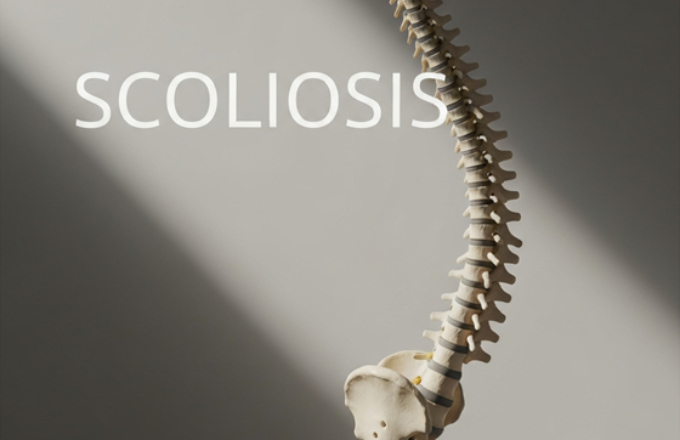
Scoliosis is a condition that causes the spine to curve sideways, often creating a “C” or “S” shape. The most common type is idiopathic scoliosis, which means the exact cause of scoliosis is unknown, though genetic links are often a factor related to the back of the spine. It is a progressive condition, which means it has a tendency to get worse over time if left unmanaged.
Does scoliosis tend to worsen as you age? Yes, it often does. For adolescents, this happens during growth spurts. For older adults, degenerative changes in the spine, like osteoarthritis, can contribute to the spinal curvature becoming more severe.
This progression highlights why a “wait and see” approach is not recommended. All large curves started out small, and addressing the condition early on, regardless of age, provides the best opportunity for successful management and preventing future complications.
Several key factors can influence how and when a scoliosis curve changes. Being aware of these can help you understand your own or your child’s condition better. The main drivers of progression are directly linked to your body’s growth and development.
What are the main factors that cause scoliosis curve progression? The most significant ones include:
- Age and Skeletal Maturity: The younger you are and the more growing you have left to do, the higher the risk of progression.
- Growth Spurts: The rapid growth experienced during the teen years is the single biggest trigger for the worsening of adolescent idiopathic scoliosis, a specific type of scoliosis.
- Hormone Levels: Hormonal shifts during puberty and menopause can directly impact bone growth and stability, affecting the parts of the spine.
These factors can lead to visible postural changes, such as uneven shoulders or hips, signaling that the curve may be getting worse.

Can Scoliosis Get Worse Overnight? Clinical Perspectives
So, can your scoliosis truly get worse overnight? From a clinical standpoint, the answer is no. The physical structure of your spine does not change that drastically in a matter of hours. However, the perception of sudden worsening is a real experience for many, and rapid progression is a documented concern.
This feeling can be caused by a curve passing a certain threshold, leading to new pain or more noticeable changes in your spinal alignment. Let’s examine the scientific evidence on rapid curve changes and how they differ between age groups.
Scientific Evidence on Rapid Curve Deterioration
Is it possible for a scoliosis curve to deteriorate suddenly? While not “overnight,” scientific evidence shows that progression can be very fast. Doctors measure the severity of severe scoliosis using the Cobb angle on an X-ray. A significant increase in this angle over a short period is considered rapid progression. This is most common in adolescents going through growth spurts.
A recent study available on PubMed Central highlights this risk, stating, “The prevalence of AIS [Adolescent Idiopathic Scoliosis] curve progression is as high as 68% in some subgroups.” This statistic underscores why a scoliosis diagnosis requires close monitoring.
For a patient, this rapid change can feel sudden, as new symptoms or visible changes appear quickly. This is why regular check-ups are essential to catch these severe cases of progression early.
Sudden Progression in Adolescents vs Adults
The pace of scoliosis progression differs significantly between adolescents and adults. For those with adolescent idiopathic scoliosis, the risk is tied directly to growth and potential effects on the nervous system. The spine lengthens quickly, which can cause the curve to worsen rapidly. Treatment plans for this group focus on managing the curve during these critical growth years.
In contrast, adult scoliosis progression is typically slower. It is often caused by the gradual degeneration of the spinal discs and joints over time, similar to how the rest of the body experiences gradual changes. While the change is less dramatic than in teens, it is still a progressive condition.
Here is a simple comparison of how progression occurs in these two groups:
| Feature | Adolescent Progression | Adult Progression |
| Primary Cause | Rapid bone growth during growth spurts | Degenerative changes (wear and tear) |
| Speed | Can be very rapid over months | Usually slow and gradual over years |
| Main Concern | Preventing large curves from forming | Managing pain and loss of function |
Growth Spurts and Scoliosis Progression in Youth
Growth spurts are a defining feature of the younger years, but for a child with adolescent idiopathic scoliosis, which is one of the types of scoliosis, they represent a critical period. During these times of rapid growth, the bones of the spine lengthen quickly, creating a high-risk window for the scoliosis curve to worsen significantly.
Understanding this link is vital for parents and young patients. It explains why what was once a mild curve can become more serious in a short amount of time, and it highlights the need for proactive monitoring and treatment during adolescence.
Why Scoliosis Curve Progression Accelerates During Growth
Why does scoliosis curve progression speed up during periods of growth? The answer lies in how the body develops. During a growth spurt, the bones grow at a faster rate than the muscles and ligaments can comfortably keep up with.
In a spine with a predisposition to scoliosis, this uneven growth puts abnormal forces on the vertebrae. The spine, trying to adapt to this rapid lengthening, can twist and curve more. Even mild cases of scoliosis can see a dramatic change during these periods.
This is why the “wait and see” approach is so risky for adolescents. The curve can progress quickly and without warning, making early and proactive intervention the best strategy to prevent it from becoming more severe.

Discover hope, science, and real solutions—explore The Scoliosis Doctor series on Amazon and start transforming your scoliosis journey today! Download the Kindle app on your mobile device for free! Get it for iPhone. Get it for Android.
PubMed Study Insights on Adolescent Idiopathic Scoliosis
A key study published on PubMed offers crucial insights into why adolescent idiopathic scoliosis progresses. The research points to hormones as a primary factor, stating that “abnormal estrogen utilization during growth is considered an initiating factor in adolescent idiopathic scoliosis.”
This hormonal influence helps explain why the condition is more likely to progress in girls. The study also confirms the high risk of progression, finding it can be as high as 68% in certain groups of patients.
These findings highlight why doctors emphasize regular screenings and close monitoring. By tracking changes closely, especially during puberty, healthcare providers can recommend timely interventions to manage the curve before it becomes severe.
Hormone Balance and Its Role in Scoliosis Curve Worsening
Beyond skeletal growth, there is another powerful factor influencing scoliosis: your hormones. Hormone balance plays a critical, yet often overlooked, role in the progression of the condition. Major hormonal shifts, such as those that occur during puberty in teens and menopause in older women, can directly impact curve stability, particularly in individuals with neuromuscular conditions like cerebral palsy.
Understanding this connection is a game-changer for managing scoliosis. What role do hormones play in the progression of scoliosis as I get older? They can be a primary trigger for worsening curves, making hormone management a key part of a comprehensive treatment strategy.
How Hormones Affect Curve Stability
Hormones like estrogen are not just for reproduction; they are also powerful signaling agents for bone growth. A 2023 study explains that individuals with a genetic predisposition for scoliosis often cannot “produce and regulate key neurotransmitters and hormones correctly.” This creates an imbalance that affects spinal development.
During puberty, abnormal estrogen signals can cause different parts of the spine to grow at different rates, leading to the development or worsening of a curve. In older women, the natural decline in estrogen during menopause can lead to osteoporosis, or loss of bone density. This weakens the vertebrae, making it harder for the spine to support itself and potentially causing an existing curve to increase.
This evidence confirms that managing hormone balance is essential for maintaining curve stability throughout your life.
Online Scoliosis Hormone Testing: What You Need to Know
Can hormone testing really help with scoliosis management? Absolutely. Since hormonal imbalances are a key driver of scoliosis progression, knowing your specific levels is a critical first step.
This simple, saliva-based test provides valuable information to guide your scoliosis management. Here’s what you need to know:
- Convenience: The test is done at home, making it an easy and private way to get crucial health data.
- Personalized Insights: Results reveal specific imbalances that may be contributing to your curve progression.
- Guides Treatment: Based on your results, a plan can be developed using safe, non-drug nutrient therapies to restore balance.
- Proactive Care: It empowers you to address an underlying cause of progression, not just the symptoms.
Diagnosing and Monitoring Scoliosis Curve Worsening
Catching scoliosis progression early is key to effective management. This is where a formal scoliosis diagnosis and consistent monitoring come into play. Doctors don’t just diagnose the condition once; they track it over time to see if the curve is stable or getting worse.
This process of early detection and ongoing observation allows for timely intervention before the progression of the condition becomes severe. Let’s explore the symptoms that might signal a worsening curve and the tools doctors use to measure these changes accurately.
Symptoms That May Signal Rapid Progression
What symptoms might indicate my scoliosis curve is getting worse? While some changes are subtle, certain signs can suggest your curve is progressing. Paying attention to your body and noting these symptoms of scoliosis is an important part of proactive management.
Look out for these common indicators:
- A more noticeable curve in your back
- Changes in posture, such as leaning to one side
- Uneven shoulders, with one appearing higher than the other
- One hip or shoulder blade sticking out more prominently
- New or worsening back pain
- Pain, numbness, or weakness that travels down your leg (leg pain)
If you notice any of these postural changes or symptoms, it’s a good idea to schedule a check-up with your healthcare provider.
How is idiopathic scoliosis curve progression monitored by doctors? They use a combination of physical exams and medical imaging to get a clear picture of what’s happening with your spine. The process usually begins with a physical check-up, where a doctor may use a scoliometer to measure the rotation of your torso.
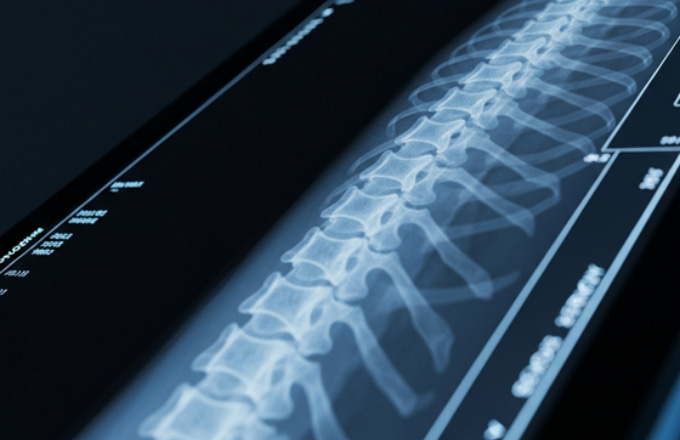
If a curve is suspected or needs to be monitored, an X-ray is the next step. This imaging test allows the doctor to measure the Cobb angle, which is the standard method for quantifying the severity of a scoliosis curve. Comparing Cobb angle measurements from X-rays taken over time is the most accurate way to track the progression of the condition.
In some cases, a doctor might order a CT scan or an MRI for a more detailed look at the bones of the spine and the surrounding nerves, especially if there are symptoms of pain or nerve compression.
Non-Invasive Scoliosis Treatments to Prevent Worsening
If you’ve been told your scoliosis is progressing, you might think surgery, such as spinal fusion, is your only option. However, there are highly effective, non-invasive scoliosis treatment methods available. These proactive treatment approaches focus on strengthening your body and retraining your muscles to fight the progression of the curve naturally.
From physical therapy to innovative programs, these options empower you to take control of your condition. Are there any non-invasive treatments that can slow down scoliosis progression? Yes, and they are more successful than you might think.
Success of the Scoliosis Boot Camp Program
One of the most effective non-invasive options is the Scoliosis Boot Camp program. This intensive program uses targeted scoliosis exercises to achieve significant results without surgery. The success rates are impressive, offering hope to many patients who want to avoid an invasive procedure.
A study on this type of chiropractic rehabilitation for scoliosis found that it has a remarkable 93% success rate in preventing scoliosis surgery. The study noted, “93.3% of patients who presented with a Cobb angle in the surgical range (>40°) were able to avoid the surgery.”
This proves that a dedicated, non-surgical scoliosis treatment program can effectively halt progression and stabilize the spine, making it a powerful alternative to surgery.
Using ScoliSMART Activity Suit and Targeted Exercises
Can physical activity or special exercises help control scoliosis curve progression? Yes, especially when they are part of a comprehensive program like the one offered by ScoliSMART. This approach goes beyond generic physical therapy by using specialized tools and targeted exercises to retrain the connection between your brain and spine.
A key component is the ScoliSMART Activity Suit. This innovative garment helps create new muscle memory by encouraging your body to automatically correct its posture. When combined with specific scoliosis exercises, the treatment plans aim to:
- Re-educate spinal muscles for better support.
- Halt the progression of the curve.
- Strengthen the spine for long-term stability.
- Often reduce the Cobb angle without a scoliosis brace or surgery.
This proactive method treats the underlying condition, not just the curve, empowering you to build good habits and support your spine for life.
Preventing Scoliosis Surgery: Research Findings and Alternatives
The goal for many living with mild scoliosis is to manage the condition effectively and avoid scoliosis surgery. The good news is that research increasingly supports proactive treatment alternatives that make this possible. The “wait and see” method is outdated; today, the focus is on taking action to prevent progression.
By exploring non-surgical treatment options, you can actively work to stabilize your spine and maintain your quality of life. An excellent resource for this journey is the work of leading experts in the field.
Review of Dr. Clayton J. Stitzel’s Book
How can I prevent my scoliosis curve from getting worse? Dr. Clayton J. Stitzel, a leading expert in non-invasive scoliosis treatment, provides clear answers in his book, “Preventing Scoliosis Progression“. This book is a vital resource for anyone looking for alternatives to surgery.
Instead of just focusing on the curve, Dr. Stitzel’s strategies address the root causes of progression, including genetic predispositions and neurotransmitter imbalances. The book explains the “why” behind scoliosis and lays out a clear path for proactive treatment.
It offers real solutions that are backed by science, focusing on a whole-body approach to scoliosis treatment. This includes targeted nutrient therapies, specialized exercises, and other non-invasive treatment options designed to give you control over your condition.

Click on the Scoli-Fact to see the rest of the Scoliosis Facts!
Conclusion
In conclusion, understanding the complexities surrounding scoliosis curve progression is essential for effective management and prevention. The evidence suggests that rapid changes can occur, particularly during growth spurts in adolescents, as highlighted by significant studies from PubMed. Hormone balance also plays a crucial role in maintaining stability, and options like online scoliosis hormone testing can provide valuable insights. Programs such as the Scoliosis Boot Camp have demonstrated a remarkable success rate of 93% in preventing surgical interventions, showcasing the effectiveness of non-invasive treatments. For those seeking comprehensive strategies, Dr. Clayton J. Stitzel’s book, “Preventing Scoliosis Progression,” serves as an excellent resource. If you’re ready to take proactive steps toward managing scoliosis, consider scheduling your consultation today!
Frequently Asked Questions
Is it possible for a scoliosis curve to change suddenly overnight?
No, a scoliosis curve doesn’t change literally overnight. However, the progression of the condition can be very rapid, especially during adolescent growth spurts. This can make it feel like the symptoms of scoliosis or the curve’s appearance have changed suddenly, even though the process takes place over weeks or months.
What non-surgical options exist to slow scoliosis progression?
Many non-surgical treatment options can slow progression. These include specialized physical therapy, targeted exercises, and comprehensive programs like the Scoliosis Boot Camp. These non-invasive treatment methods, along with effective pain management, focus on strengthening spinal muscles, improving posture, and retraining the brain-body connection to provide long-term stability without surgery.
Can hormone testing really help with scoliosis management?
Yes, hormone testing is a valuable tool for scoliosis management. It identifies specific hormonal imbalances that can drive curve progression. With this information, you can pursue targeted nutrient therapies and other proactive treatment options to restore balance, improve curve stability, and take control of your condition.


