

Key Highlights
- Scoliosis bracing, including options like the Boston brace and Charleston bending brace, is a key non-surgical treatment for managing spinal curvature in children and adolescents.
- Wearing a spinal brace comes with physical challenges, such as back pain and skin irritation, and emotional impacts, including frustration and social pressures.
- Different types of scoliosis, such as idiopathic scoliosis and neuromuscular scoliosis, require personalized treatment approaches.
- Understanding and expressing the emotional impact of prolonged brace use is vital for mental well-being.
- Effective coping strategies, including support networks and healthy emotional outlets, can improve the overall quality of life during treatment.
Introduction
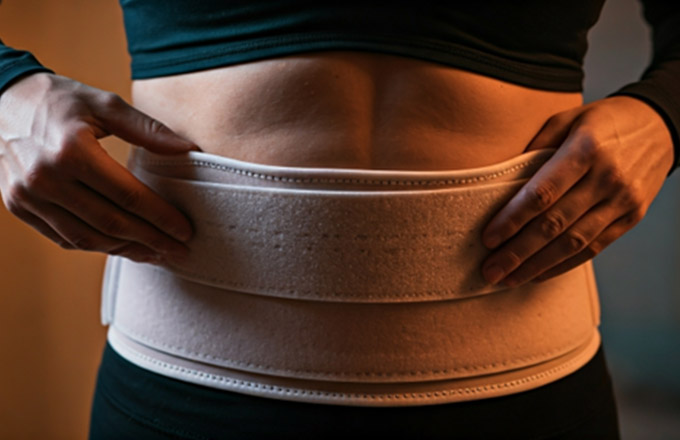
A spinal brace can be very helpful for people who have scoliosis. This is when the spine shapes into a curve that is not normal. The brace is made to keep a curved spine from getting worse. It is often used for teens whose bones are still growing. Using a scoliosis brace may be hard. It can make your body feel different and change your daily life. It might also affect how you feel inside. You may get upset or mad sometimes, and that is normal. Knowing why this happens and what you can do to help yourself is a good way to feel better.
Understanding Braces and Their Purpose
Braces are an important part of non-surgical treatment for people who have problems with their spine. They help slow down or stop the slow curve progression of the curve in spinal curvature in conditions like adolescent idiopathic scoliosis. These devices do not reverse the spinal curve, but they keep it from getting worse, especially when someone is still growing.
How doctors use braces depends on what type of scoliosis a person has, including the form of scoliosis such as idiopathic scoliosis, neuromuscular scoliosis, and degenerative scoliosis. The idea is not to make the spine perfect, but to make it stable. This gives people time to see what braces can do for them and also to learn about the challenges that might come with using them.
Braces are a way to help people with a spinal curve without spinal fusion surgery. Rigid braces are used most often before surgery is needed. Teens with idiopathic scoliosis wear braces to stop curve progression. The brace puts light but steady pressure on the back to help keep the spine straight. When someone has degenerative scoliosis, a rigid brace may help the lower back feel better and support more movement.
Some people get spinal curvature from neuromuscular issues, such as cerebral palsy or muscular dystrophy. In these cases, the brace helps keep the spine stable and the body upright. It does not make the spine straight, but it can slow down how fast the curve gets worse, especially when kids or teens are growing quickly.
Using a brace the right way is very important to its success. You need to follow all the fit and wear time instructions. This can be hard, but it is the key part of successful scoliosis bracing. After that, the right care changes for each person and may mean choosing from different types of braces.
Common Types of Braces Used in Treatment
There are different types of braces that can help curvature of the spine. Each one is made for certain needs. The design often depends on how bad the spinal curve is and where it is on the spine. Here is a table that shows some common types of braces:
| Brace Type | Design Features | Ideal Use |
| Boston brace | Made of plastic. It goes from under your arms to your hips. It is often used the most and easy to hide under clothes. The number of hours the Boston brace is worn can vary based on individual needs. | Good for moderate spinal curves. To be worn during the day. |
| Milwaukee brace | Has metal and covers from the neck to the hips. It can be big and easy to see, so people do not use it much today. | Helps people with severe curves who need alignment all the time. |
| Wilmington brace | Made of light plastic. It is shaped to fit your body and closes at the front. | Good for moderate curves. It is easy to wear. |
| Charleston brace | It goes from the upper body to the hips and is used at night. Puts strong pressure to fix the spinal curve. | Used only at night. Works to overcorrect the curve. |
Choosing the right brace for someone makes scoliosis bracing more helpful. There are many things
The Emotional Impact of Wearing a Brace
Wearing a scoliosis brace for an extended period of time can affect both the body and the mind. Many kids or teens with adolescent idiopathic scoliosis may find it hard to deal with the way the brace makes them feel. This is true when the brace changes what they do in their day or how they get along with other people.
The brace can make daily life feel harder. Some may feel different or alone because of it. But it is good to talk about these things. When people talk about adolescent idiopathic scoliosis and its link to quality of life, it helps people understand what others go through. This also shows how strong people can be, even when things are tough.

Why It’s Normal to Feel Frustrated or Angry
Feeling angry or upset about wearing a back brace for scoliosis is normal. The back brace can be a part of your treatment options, but wearing it day after day may feel hard. It can stop you from moving freely, make you feel uneasy, and remind you that you might not be like the other people around you.
With time, these feelings can grow. Trying to get used to scoliosis bracing, especially during busy or social times, can be tough. Living with scoliosis can sometimes feel more about keeping your mind strong than dealing with any pain from the back brace.
It is important to notice and accept these feelings. When you know these emotions are just part of it, you know they do not hurt how well your treatment options work. Taking steps to pick up good coping skills can help you not let this anger or frustration get in the way of your progress using scoliosis bracing.
Recognizing the Emotional Stages of Adjustment
Getting used to wearing a brace brings up many feelings. Knowing about these feelings can help you understand the process:
- Denial: At first, people may not want to believe they need a brace or may try to avoid its rules.
- Frustration: It can feel hard to move or be comfy when you are getting used to the brace.
- Acceptance: After some time, you may start to see the brace as something that helps you.
- Empowerment: When you get through the hard parts, you start to feel more sure about handling your care.
To help you get past these feelings, it is good to have a strong support group like your family and your care team. Talking openly with them can help you with every challenge. Allowing these feelings to be out in the open helps everyone work together and makes the process easier for you and those in your circle.
Everyday Challenges Brace Wearers Face
Wearing a back brace can be tough in many ways. Many people feel pain in their back, or they get skin irritation and sore spots from the brace. There may be pressure points that make it hard to feel good.
It is also not easy to deal with social pressures. Some people feel shy or out of place when they wear a brace in public. This can be hard and might make their confidence go down.
Getting used to the brace and staying strong in your feelings is not fast or easy. It takes both time and patience. But if you know about these problems, it is a big step toward making things better. Next, we’ll look at physical discomfort from a back brace and what it is like to feel different from others.

Physical Discomfort and Pain Points
Physical strain is often part of wearing scoliosis braces. Skin irritation can happen if the brace is tight or you wear it for a long time. You may also feel less muscle strength or get stiff. The lower back, thoracic spine, and cervical spine are spots where you can have pain, including low back pain.
Things like using extra pads or making sure the brace fits right can help with these issues. It is good to have your care team check on you all the time so you feel better. Be sure to talk to them and keep an eye on how you feel.
Social Pressures and Feeling Different
It is normal to feel different in social situations when you wear a visible spinal brace. If you have adolescent idiopathic scoliosis, you might often find it hard to deal with some things:
- Other people may look at you or ask you questions about the brace.
- It can be tough to pick clothes that you like and that work well with your brace.
- You might be scared you will stand out during things like sports or gym class.
All these moments can affect your quality of life. Still, when you notice these feelings and talk about them, you take a good first step. Being part of supportive groups and fixing wrong ideas people have can help you feel better around others.
Be gentle with yourself—many of us feel self-conscious sometimes. Having friends and people who understand what you are going through will help a lot when you are adjusting to life with idiopathic scoliosis and a spinal brace.
Coping Strategies for When You’re Angry at Your Brace
It is normal to feel upset if you have to wear a brace for a long time. But having good coping strategies can help you get through it. You can talk to your support network or find new ways to be creative. These things can help you have a better mindset.
When you try healthy ways to handle your feelings, you can take back control. You also improve your quality of life, even when things get tough. Let’s look at some ways to help you feel better as you go through your treatment.

Click on the Scoli-Fact to see the rest of the Scoliosis Facts!
Healthy Ways to Express Your Feelings
Finding healthy ways to deal with frustration is important for your feelings. Try to add these things to your day:
- Use creative expression, like art or journaling, to help work through your thoughts.
- Physical therapy helps, since it lets you care for your muscles and deal with your feelings, too.
- Talk openly with your loved ones about what you feel.
- Give yourself small rewards when you meet goals with wearing your brace.
Doing these things can help lessen bad feelings and help you feel better about your treatment. If you take care of yourself, the emotional impact will get lighter as time goes on.
Building a Support Network
Dealing with scoliosis bracing is easier when you have a strong support network. Trust your care team for help with things like pain, problems with how the brace fits, and more. Your friends and family can give you the support you need. Peers who are also using scoliosis bracing can share what they know and their own stories.
You might want to join scoliosis groups or forums. It’s a good way to talk in a safe space. Getting to know other people or talking to your care team can help you do better with bracing and make you feel stronger.
Conclusion
In the end, it is normal to feel angry or frustrated when you first get your brace. Everyone goes through this while getting used to it. The first thing you need to do is notice these emotions. This can help you deal with the changes that come with wearing a brace. You have to keep in mind that braces have an important job. They help your body be in the right position. But, it is true that they might cause some pain and sometimes people might feel pressure around others.
If you use good ways to cope and have strong support from others, you can handle these feelings much better. You are not alone in this. Many people are going through the same thing. If you feel like you need more help, you should talk to your healthcare provider or join a support group. What you feel is real, and you should take care of your feelings as much as your body.

Frequently Asked Questions
Is it normal to hate wearing my brace sometimes?
Yes, this is normal. Scoliosis bracing can make you feel uncomfortable and might cause social troubles. These things often lead to frustration. Talking with your support network can help you with the emotional impact, especially if you have adolescent idiopathic scoliosis or any type of idiopathic scoliosis.
How can I talk to my parents or doctor about my frustrations?
Talk about your feelings in open areas where you feel okay to speak. Be honest with your care team or your parents about how wearing the brace makes you feel. When you reach out for help, you make it easier to talk about the emotional impact. This can help you and them find better ways to support you.
What can I do if my brace is causing pain or discomfort?
If you start to have skin irritation or back pain from the brace, you should talk to your care team right away. The care team can help with this by changing the padding. They might also suggest physical therapy to help with these pain points. This will make sure you are comfortable during your treatment. It is important to keep track of these problems.
Will being angry at my brace affect my treatment results?
Frustration will not set back any progress you have made. But if you feel angry too much, it can make it hard to wear the brace as much as you should. Try to stay on schedule, as this helps stop curve progression. When you follow your treatment options, you get better results. This also helps your quality of life in the long run.


